Writing in Public: Why Social9 Opened Up to Claude and ChatGPT With the Brakes On
Social9 now lets Claude, ChatGPT and other MCP apps plan, write and schedule social posts, with test mode, fact checks and approvals keeping people in control.
142 articles
 Product, content and engineering team at Social9
The team that builds and runs Social9, the social media scheduler with an AI Autopilot for 11 networks. We write practical guides on planning, scheduling and publishing, and cite our sources so you can check them.
Social9 now lets Claude, ChatGPT and other MCP apps plan, write and schedule social posts, with test mode, fact checks and approvals keeping people in control.

Plan a full week of social media posts in about an hour with a six-step batching routine and a copy-and-paste template. Works for any small business.

How to auto-post new blog articles, RSS feeds and YouTube videos to LinkedIn, X, Bluesky and more, with drafts, AI captions and a review step.

How to connect Claude or ChatGPT to your social media with an MCP server: what MCP is, setup steps, prompts that work, and how to stay in control.

How often to post on LinkedIn, based on Buffer's study of 2M+ posts: why 2 to 5 posts a week is the sweet spot, and a weekly plan you can actually keep.
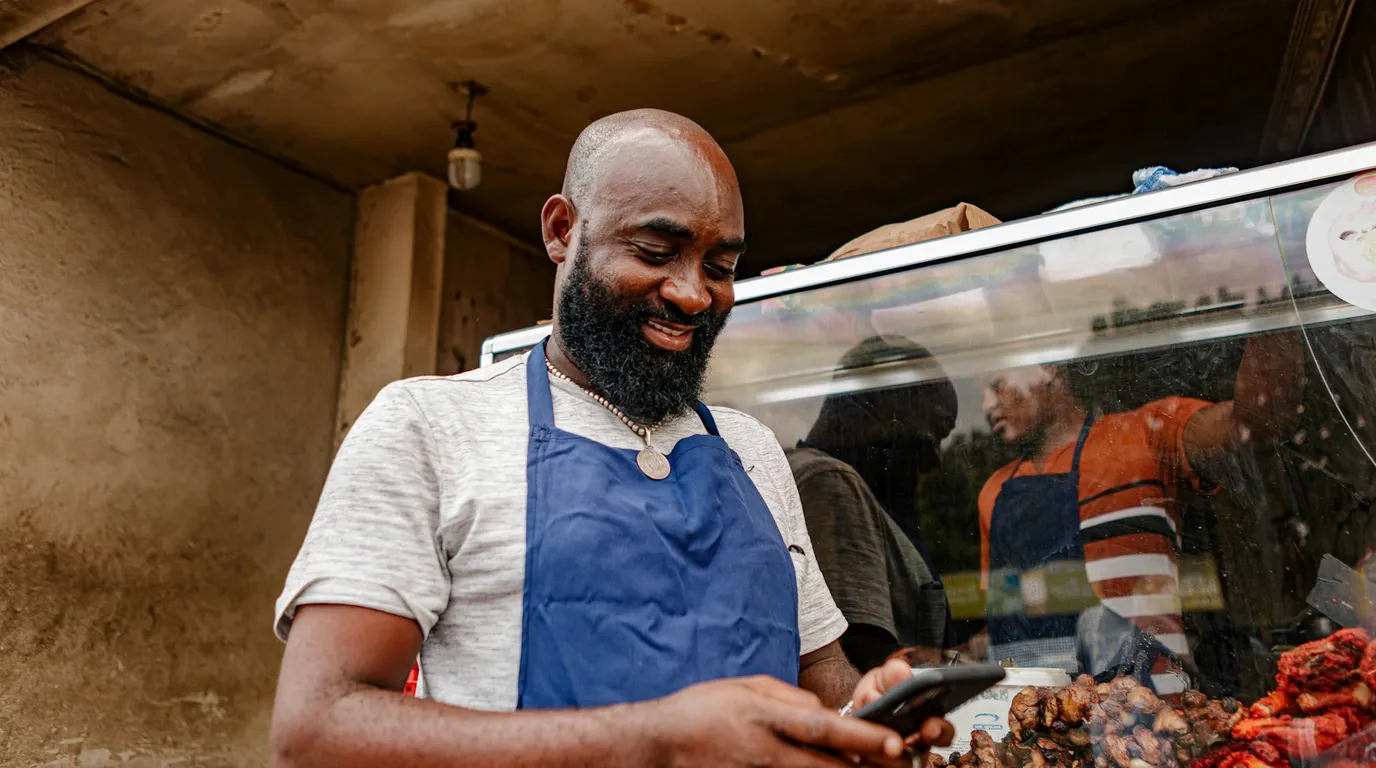
Google Business Profile posts explained: the three post types, what to write, Google's rules, how long posts stay live and how to schedule them.
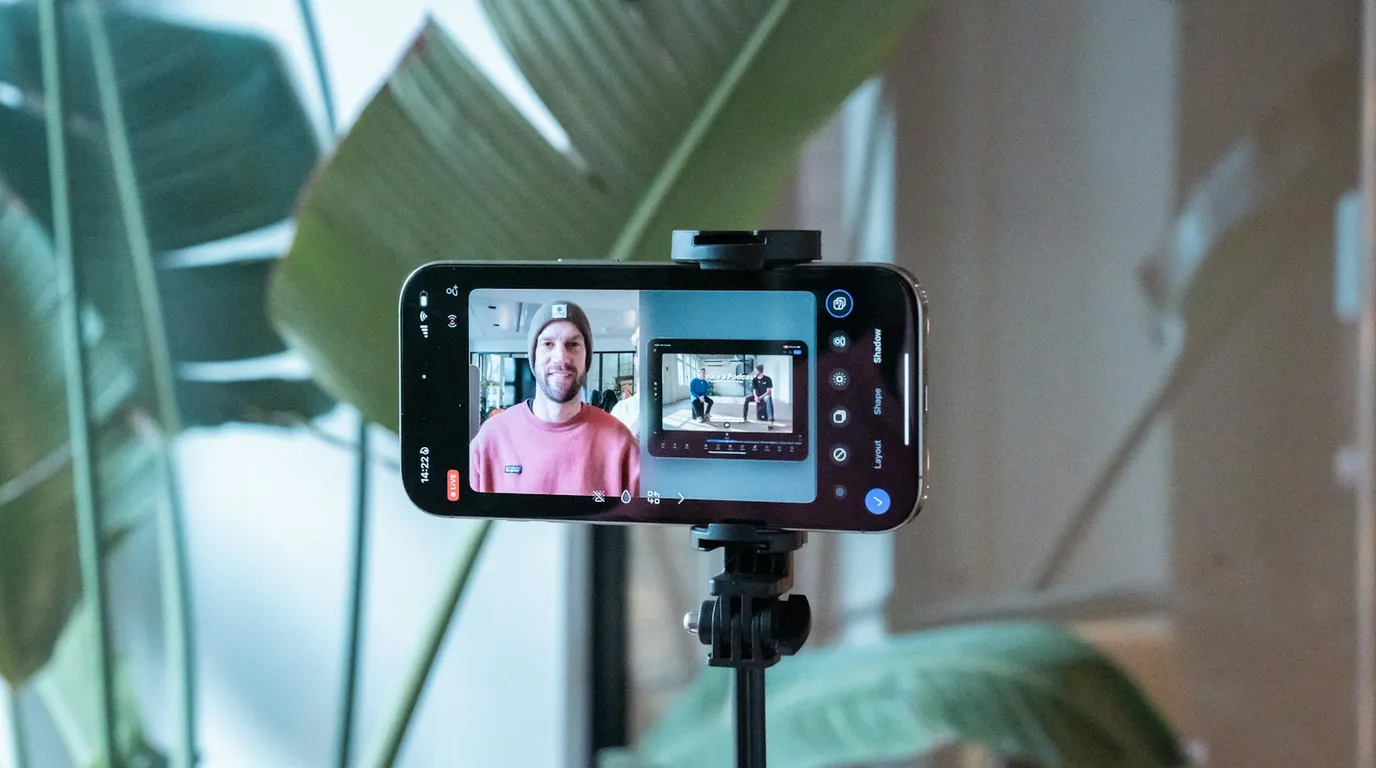
How to schedule YouTube Shorts in YouTube Studio, what makes a video count as a Short, and how to queue Shorts alongside TikTok, Reels and LinkedIn.

A plain-English guide to Mastodon for small businesses: choosing a server, setting up a profile, posting etiquette, hashtags and a simple weekly routine.

How small businesses can use Bluesky: setting up a trusted profile, what to post, how feeds and starter packs work, and a simple weekly routine you can keep.
Social media autopilot uses AI to plan, draft, schedule and publish posts. Learn how the loop works, platform AI rules, and where a human must stay in charge.
How social media scheduling works in 2026: native tools vs schedulers, API limits, a seven-step workflow, what to automate, queues, time zones and approvals.
Official image and video specs for Facebook, Instagram, Threads, LinkedIn, X, TikTok, YouTube, Pinterest, Google Business Profile, Bluesky and Mastodon.
A playbook for agencies running 20+ client calendars: workspace setup, a capacity formula, a monthly cadence, approval SLAs, safe access and burnout rules.
When to post on Facebook, Instagram, LinkedIn, X, TikTok, YouTube, Pinterest and Threads in 2026, per Sprout, Buffer, Later and Hootsuite, plus a test plan.
Build a 30-day social media content calendar step by step: pick content pillars, set posting frequency, batch, approve and schedule. Free template included.
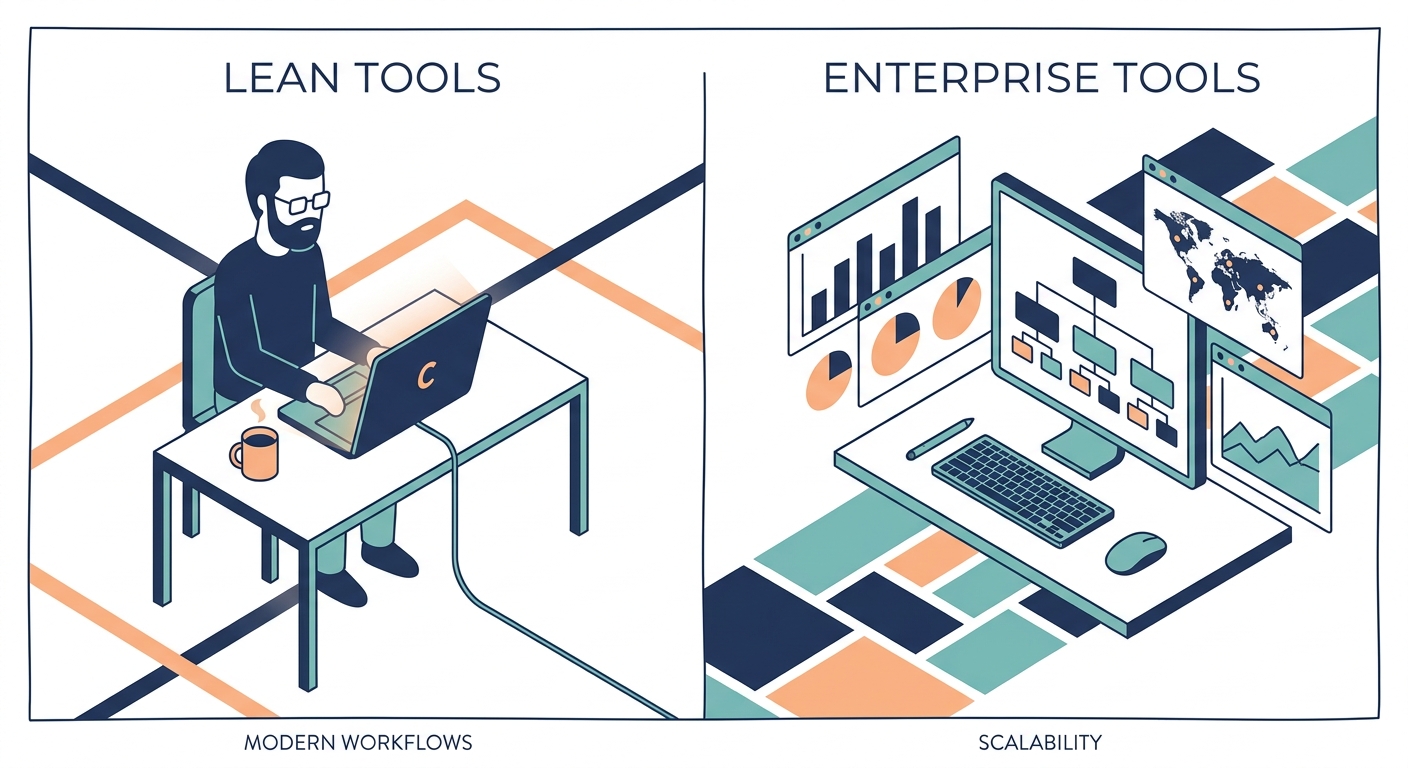
Hootsuite vs Buffer vs Sprout Social vs Later compared on features, networks, pricing and ease of use, so you can pick the right social media scheduler.
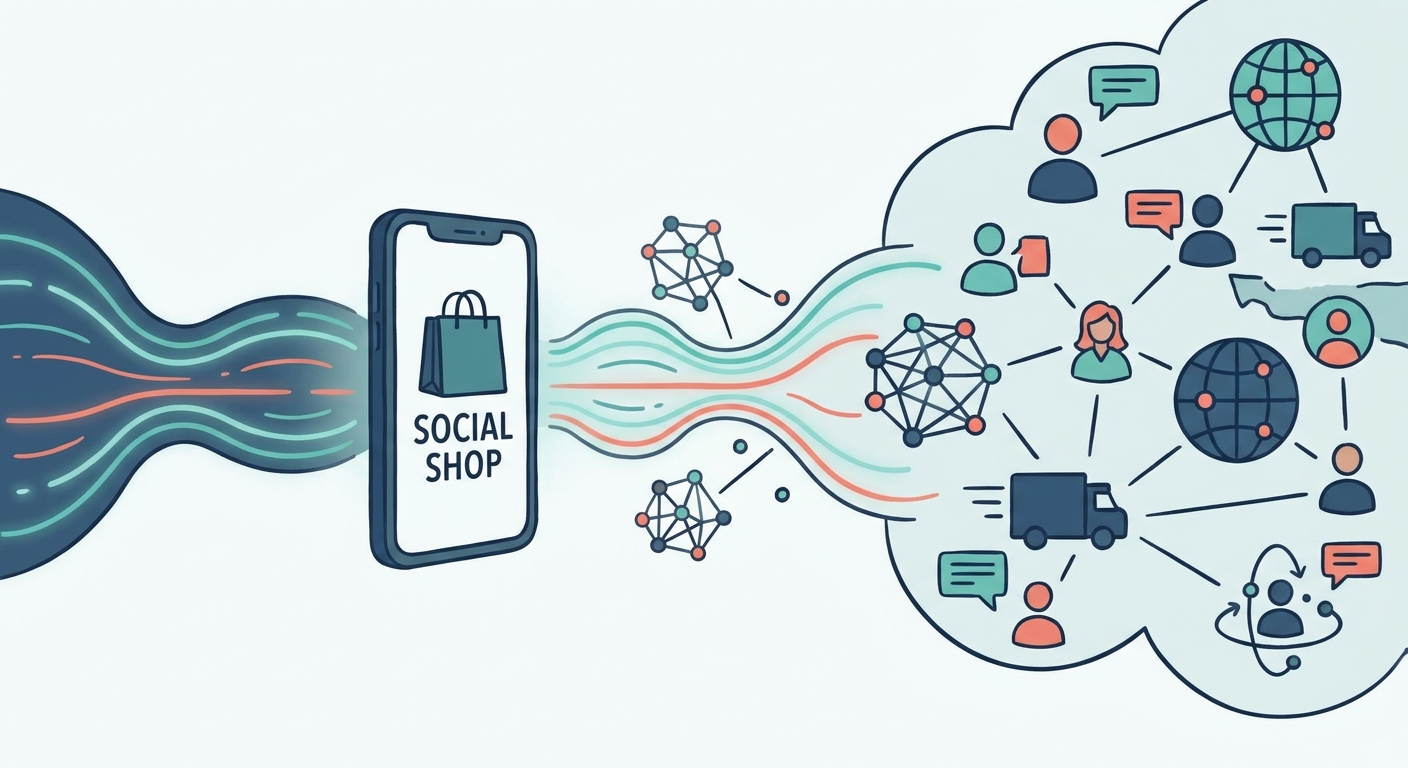
How AI integration APIs connect product catalogs to TikTok Shop, Instagram, YouTube and Pinterest, prepare you for agentic commerce, and cut manual work.
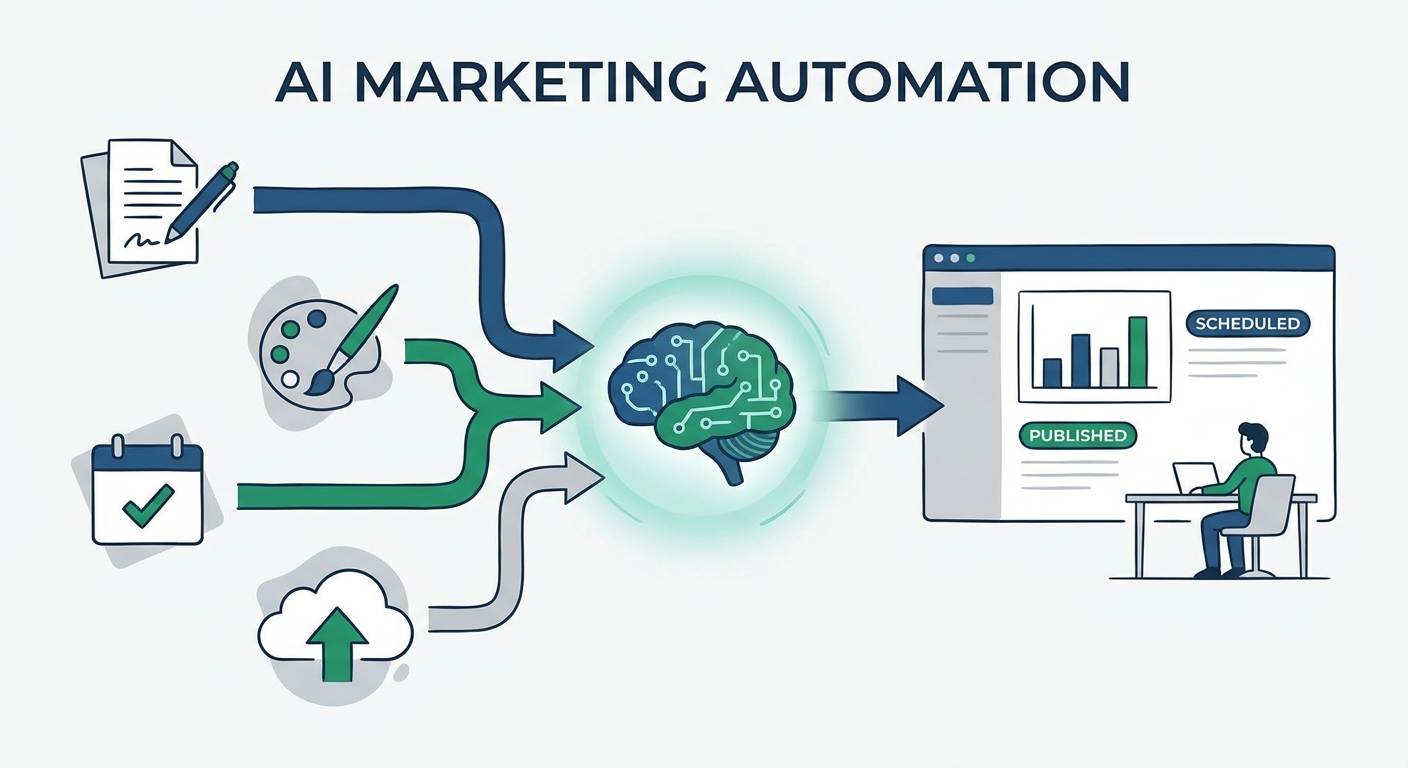
Compare the best AI social media post generators by type, learn what to test before you buy, and use a workflow that keeps every post sounding like you.
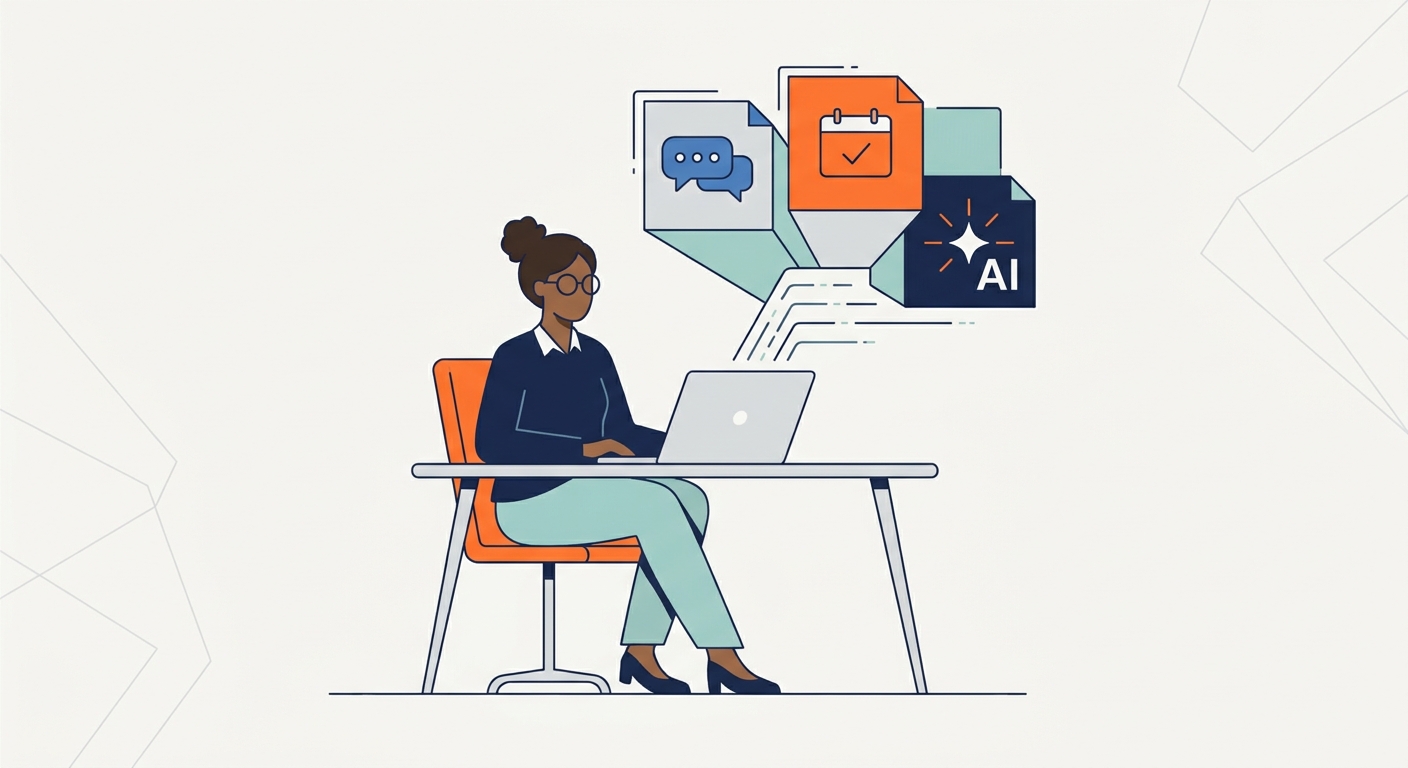
Five free AI social media post generators with real free plans, what each is best for, their limits, and a simple workflow to turn drafts into posts.
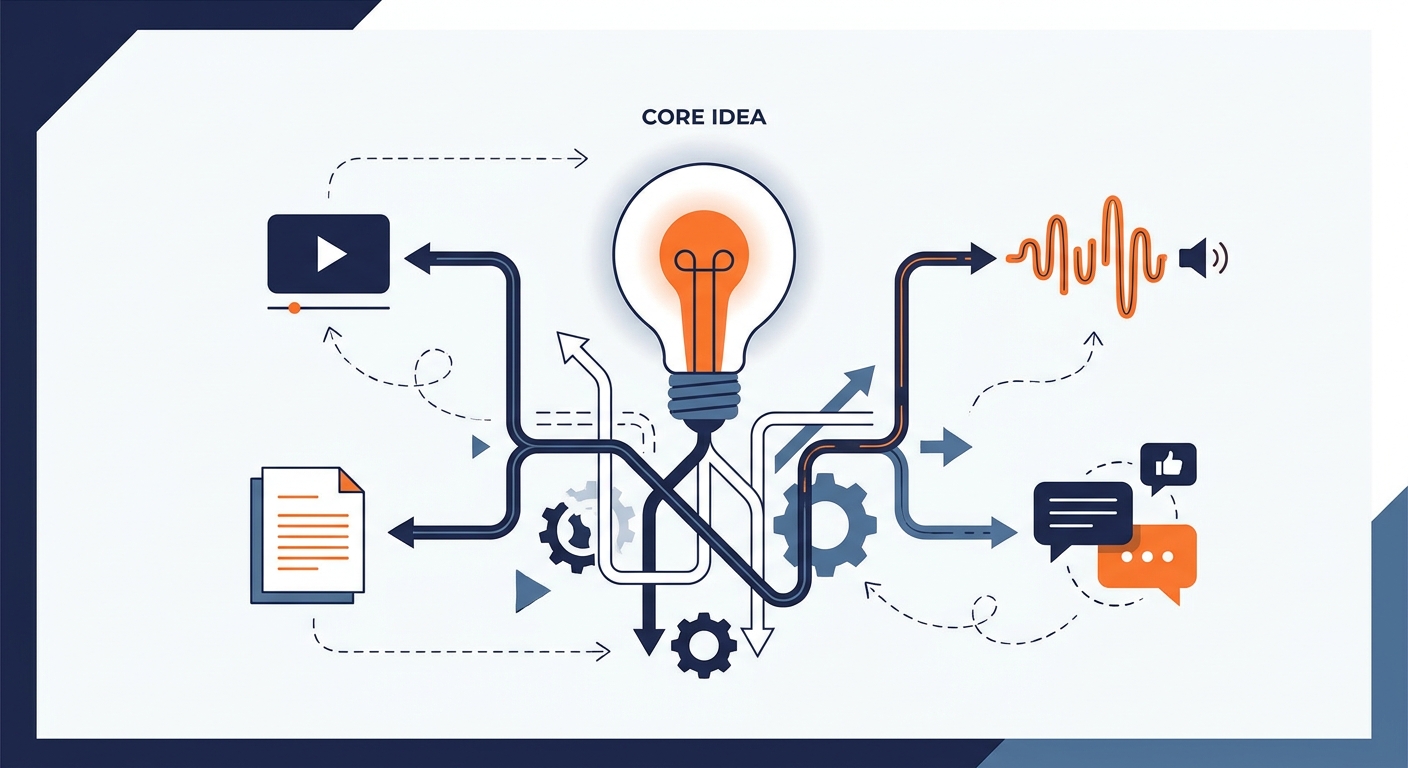
The best content repurposing tools for social media by job: video clipping, text rewriting, visuals and scheduling, plus a workflow that avoids clone posts.

How to build a sustainable social media workflow: a six-stage loop, AI with human review, batching, fast approvals, a crisis pause plan and setups by team size.
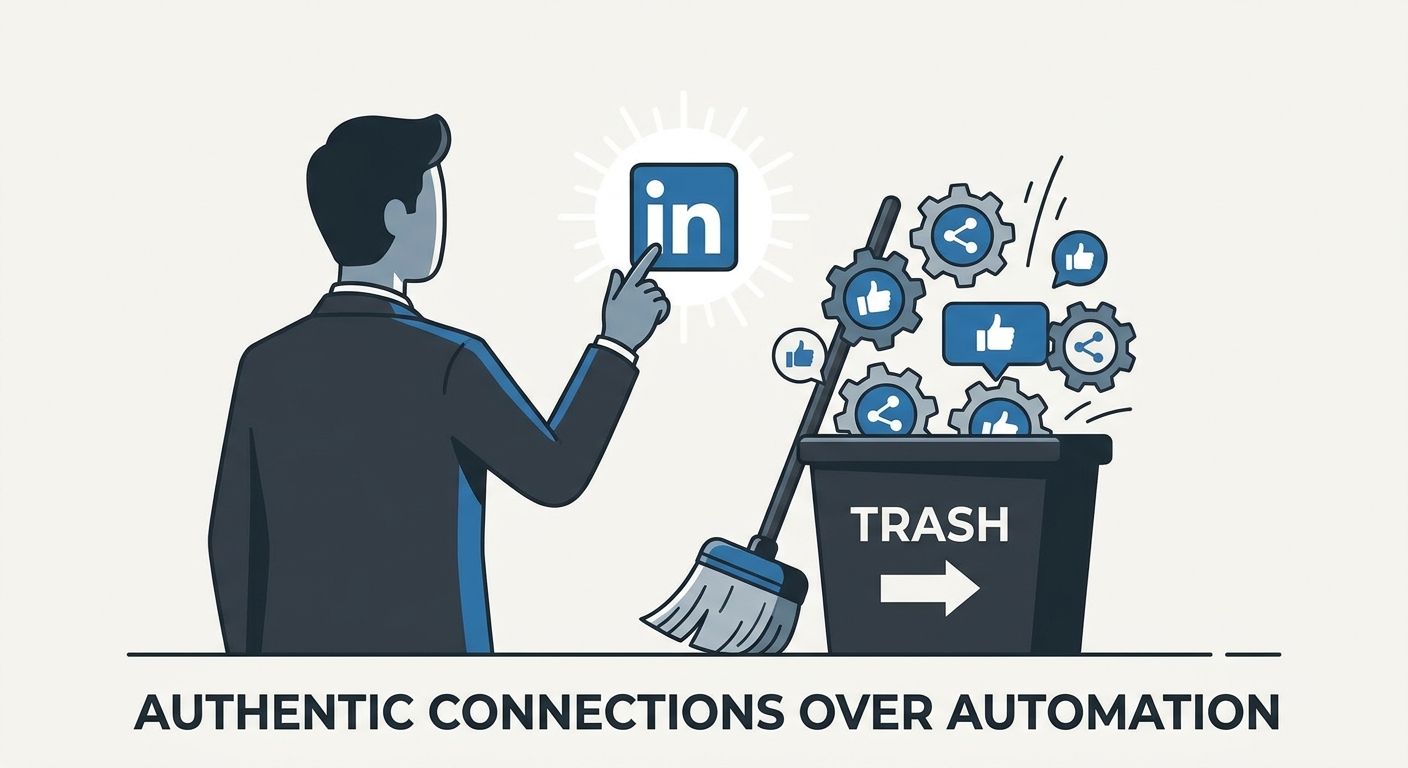
Stop spamming and start connecting. Learn how to use LinkedIn automation tools to amplify your personal brand without losing your authentic voice in 2026.
Stop guessing. Learn how to use agentic AI tools to reverse-engineer viral YouTube content and build a data-backed, high-performance creator workflow for 2026.
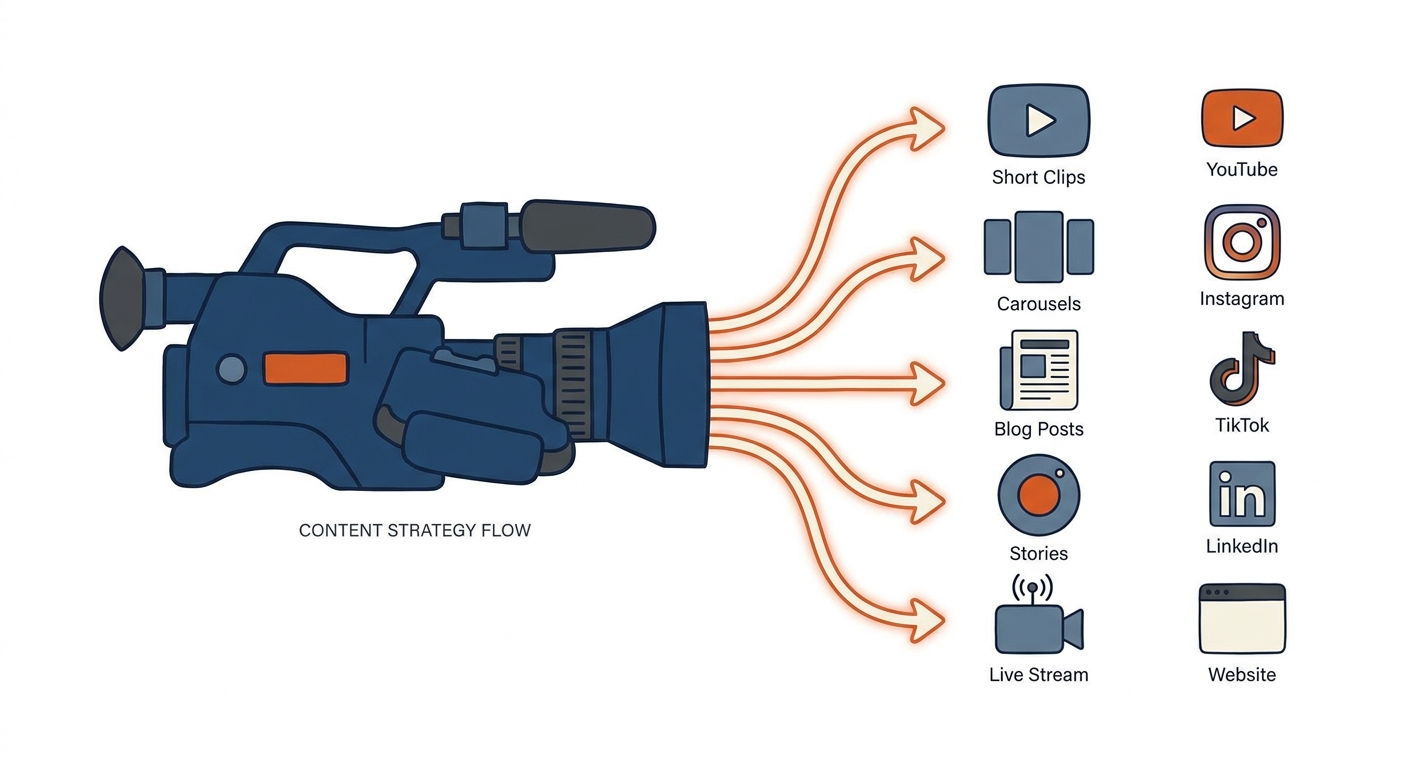
Turn one long-form video into a month of social posts with AI repurposing tools: pick the right video, build a clip map, adapt per platform, keep a human edit.
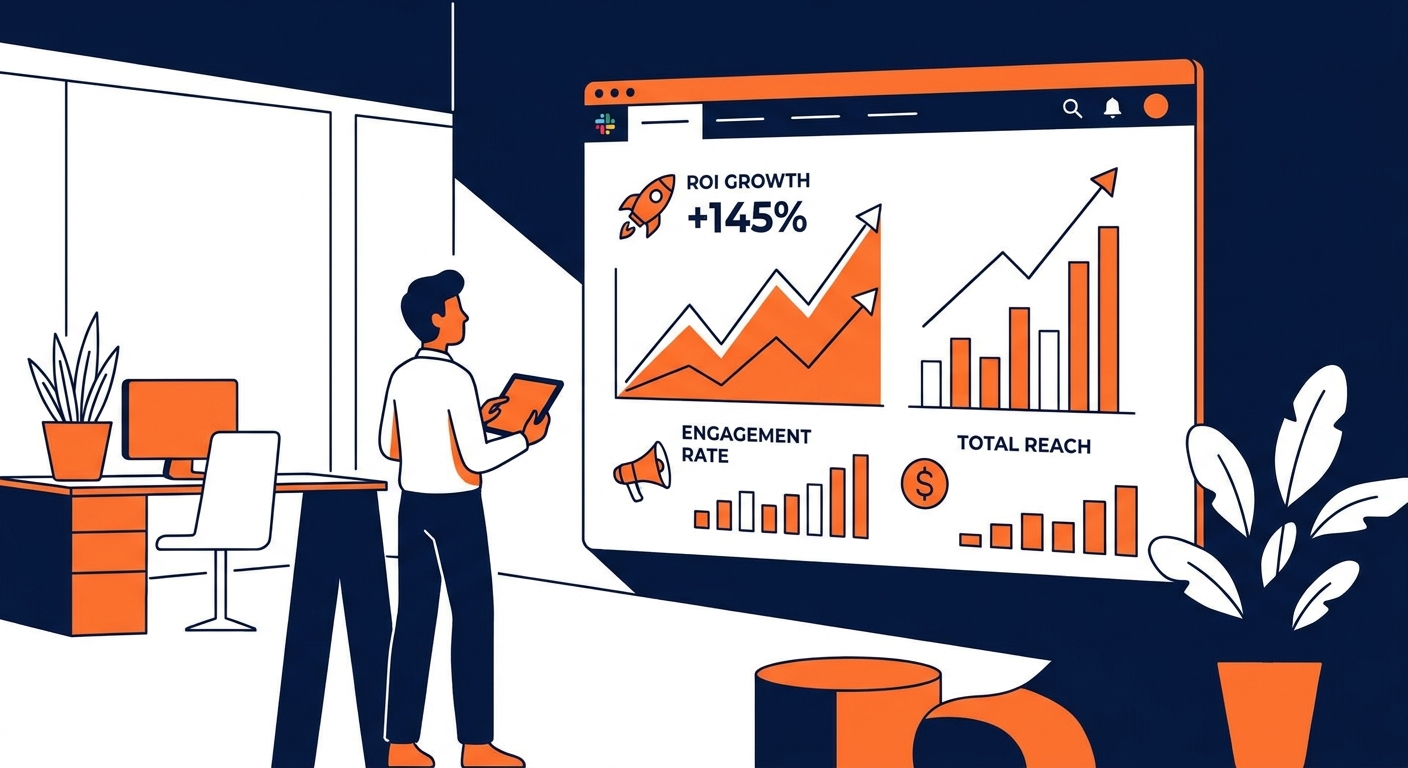
Stop tracking vanity metrics. Learn how to use social media reporting tools to prove ROI, bridge the dark funnel, and align social activity with business goals.

Run a social media audit that goes past vanity metrics: inventory accounts, check brand voice, track conversions, find content gaps and act on what you learn.
How to use social listening and analytics to grow followers: find audience questions, test content ideas, track the metrics that matter, in a weekly loop.
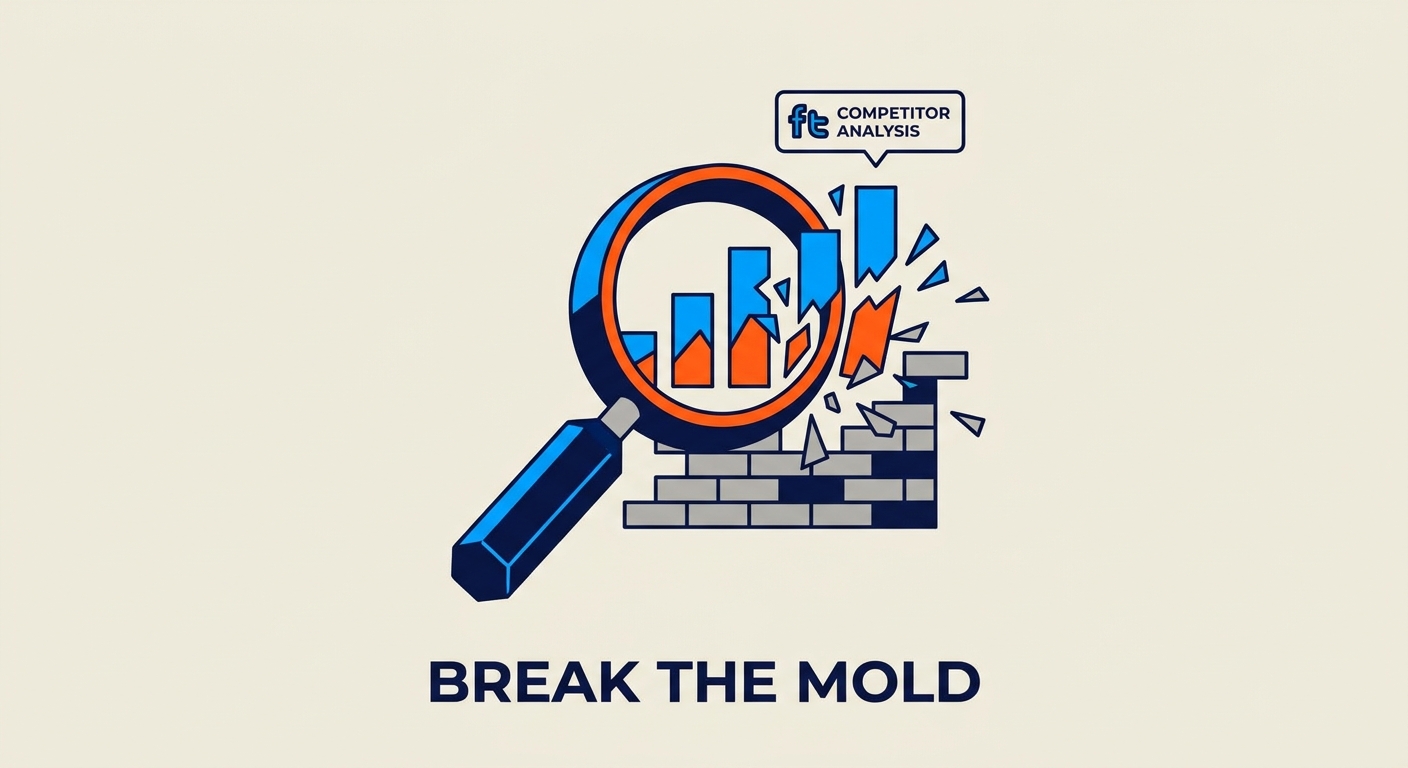
How to run a social media competitor analysis: find your real rivals, audit performance, spot content and care gaps, use AI prompts and act on findings.
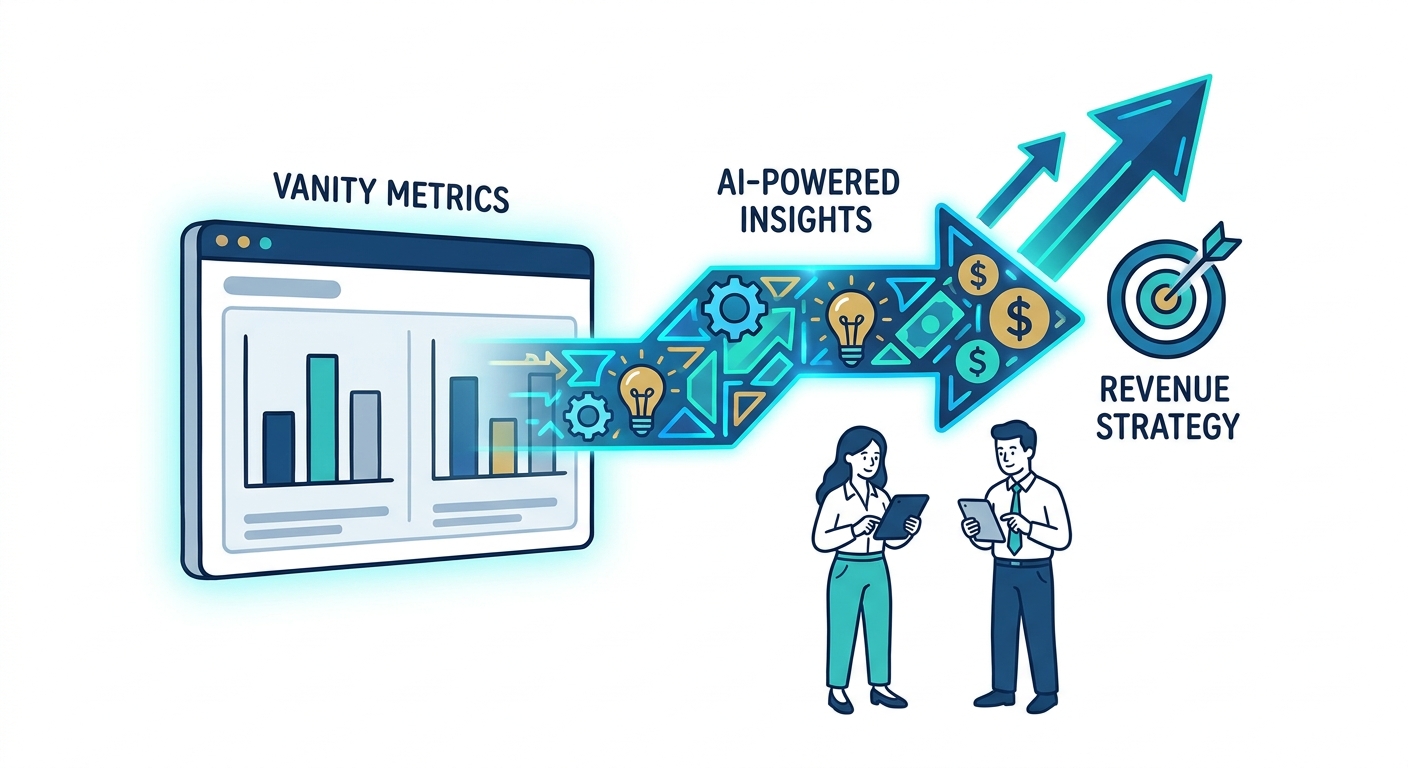
Compare the best social media analytics tools for 2026, when free native analytics are enough, when to pay, and how to build a stack that tracks real ROI.
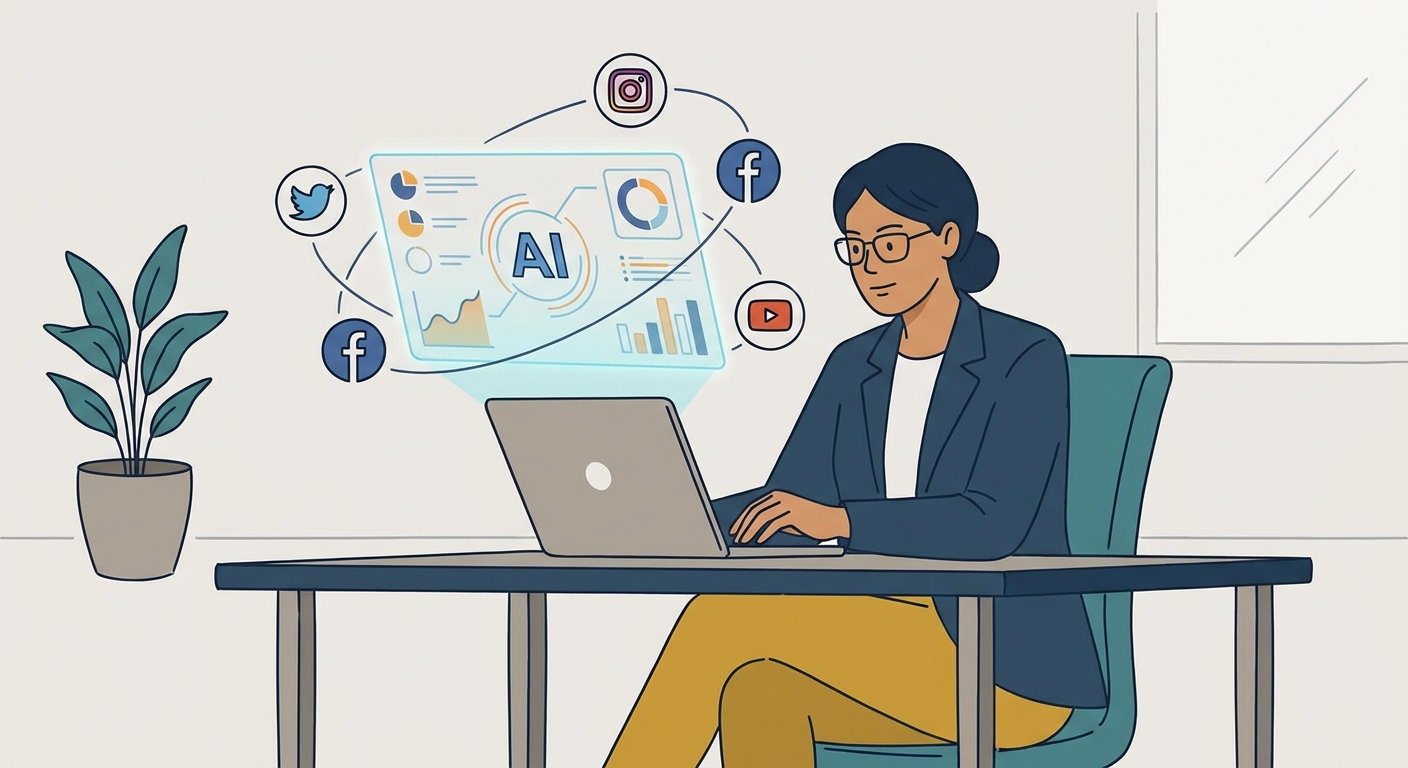
How to scale small business social media with AI automation: a weekly workflow, content mix, prompts, engagement rules and the metrics worth tracking.

Track social media ROI that leadership trusts: the metrics that matter, UTM and CRM attribution, dark social, an ROI formula and a reporting rhythm.
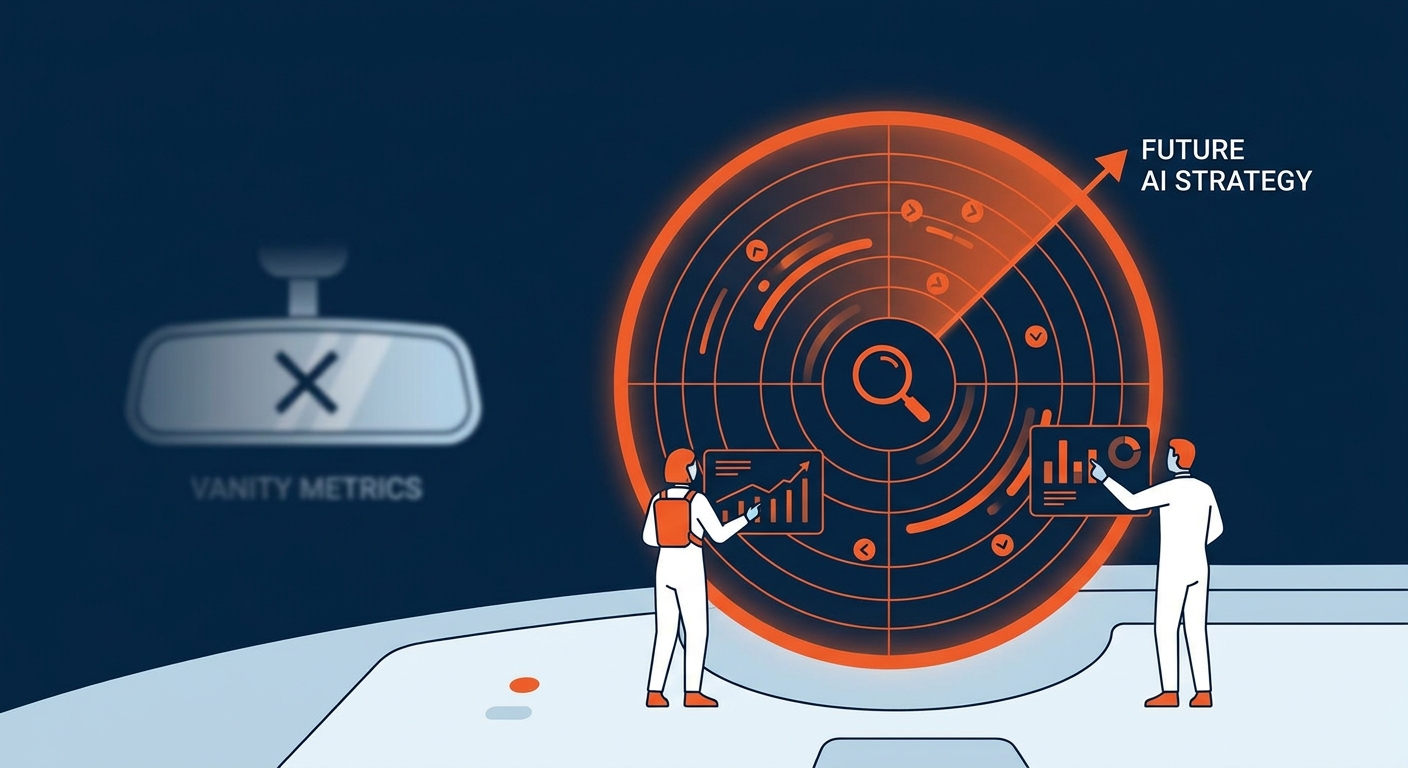
The best social media competitor analysis tools for 2026, free and paid, plus a step-by-step method to benchmark rivals on content, ads and share of voice.
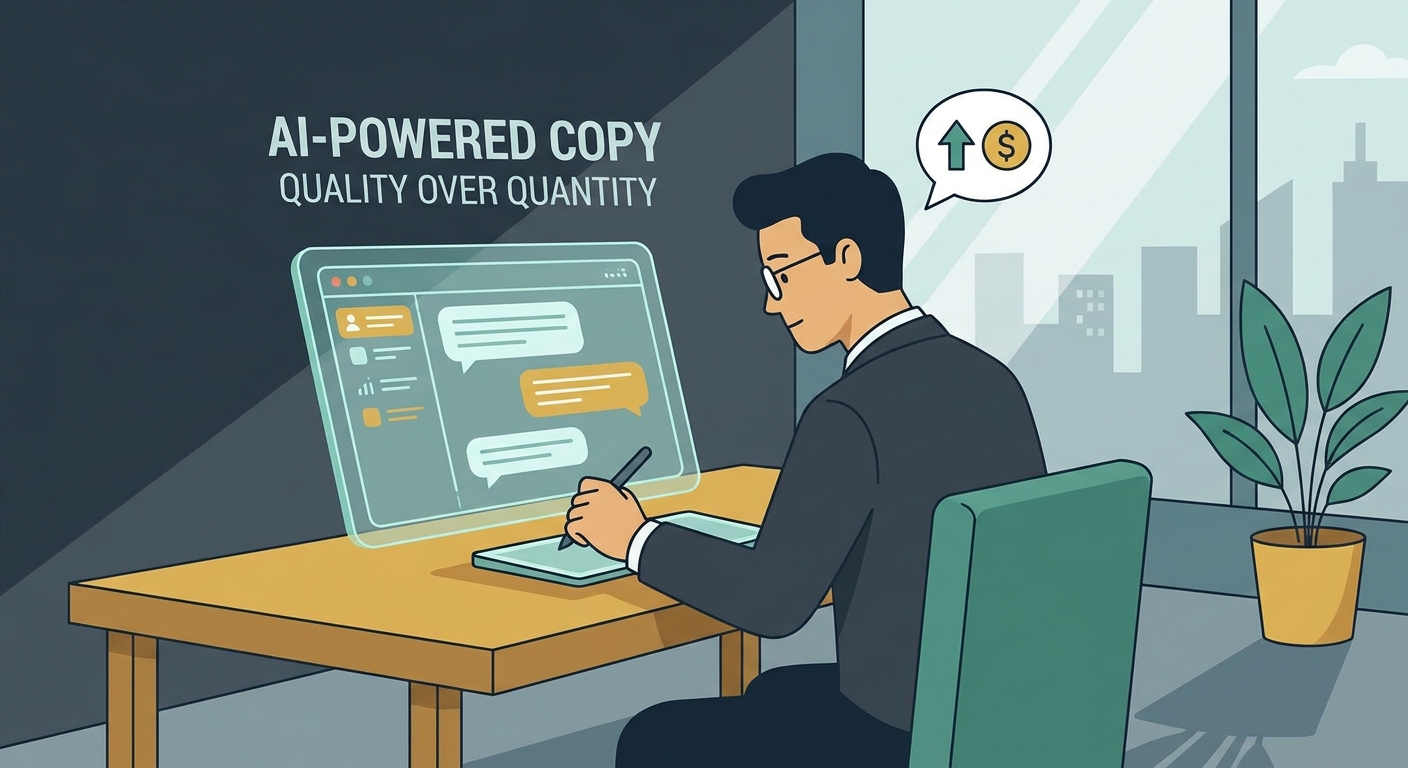
Copy-ready AI prompts for social media ad copy, plus the four-part prompt framework, brand voice guardrails and a testing workflow that finds winners.
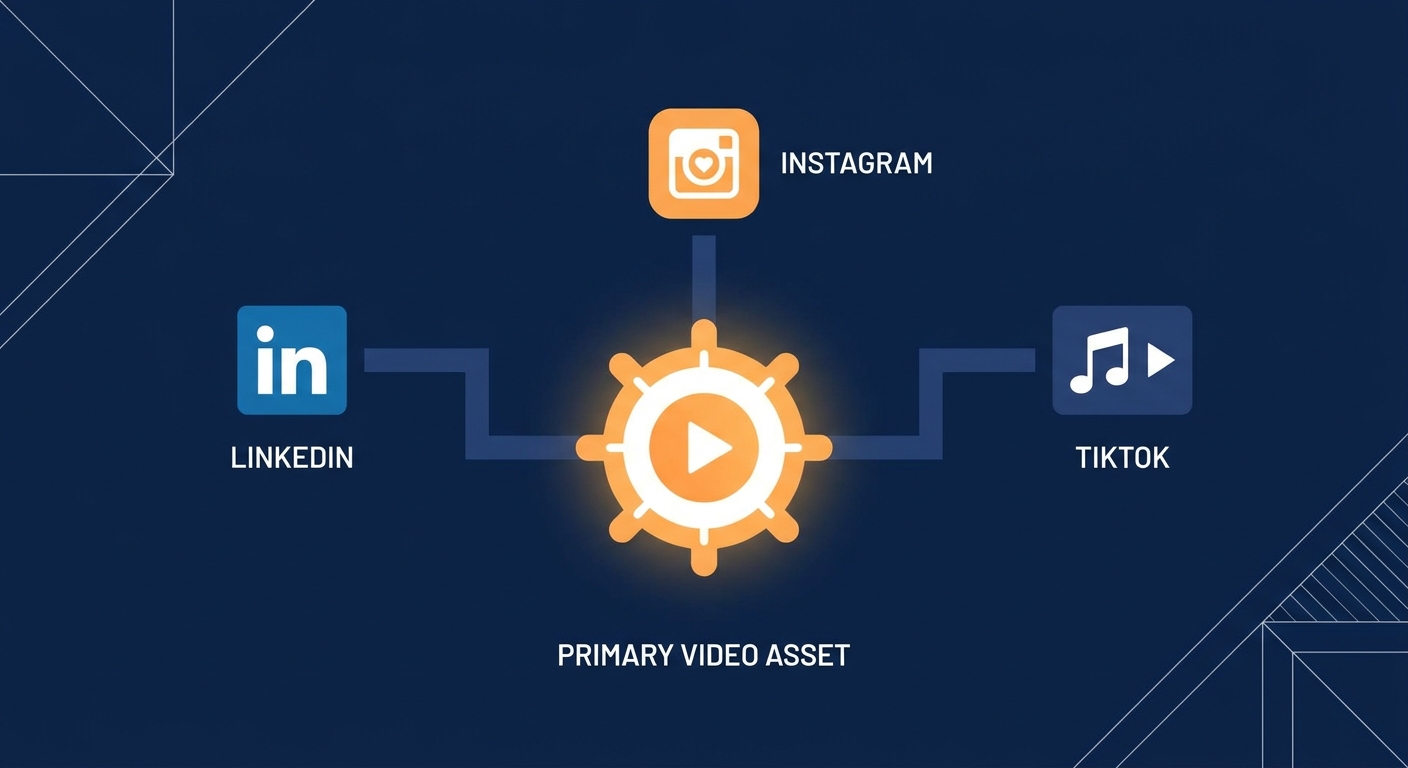
Adapt one idea for LinkedIn, Instagram, TikTok, X and more without losing your brand voice: core-to-satellite model, hooks, formats and a checklist.

Learn how to calculate engagement rate, what actually moves it, and how to use an AI social media post generator to test more ideas without sounding generic.
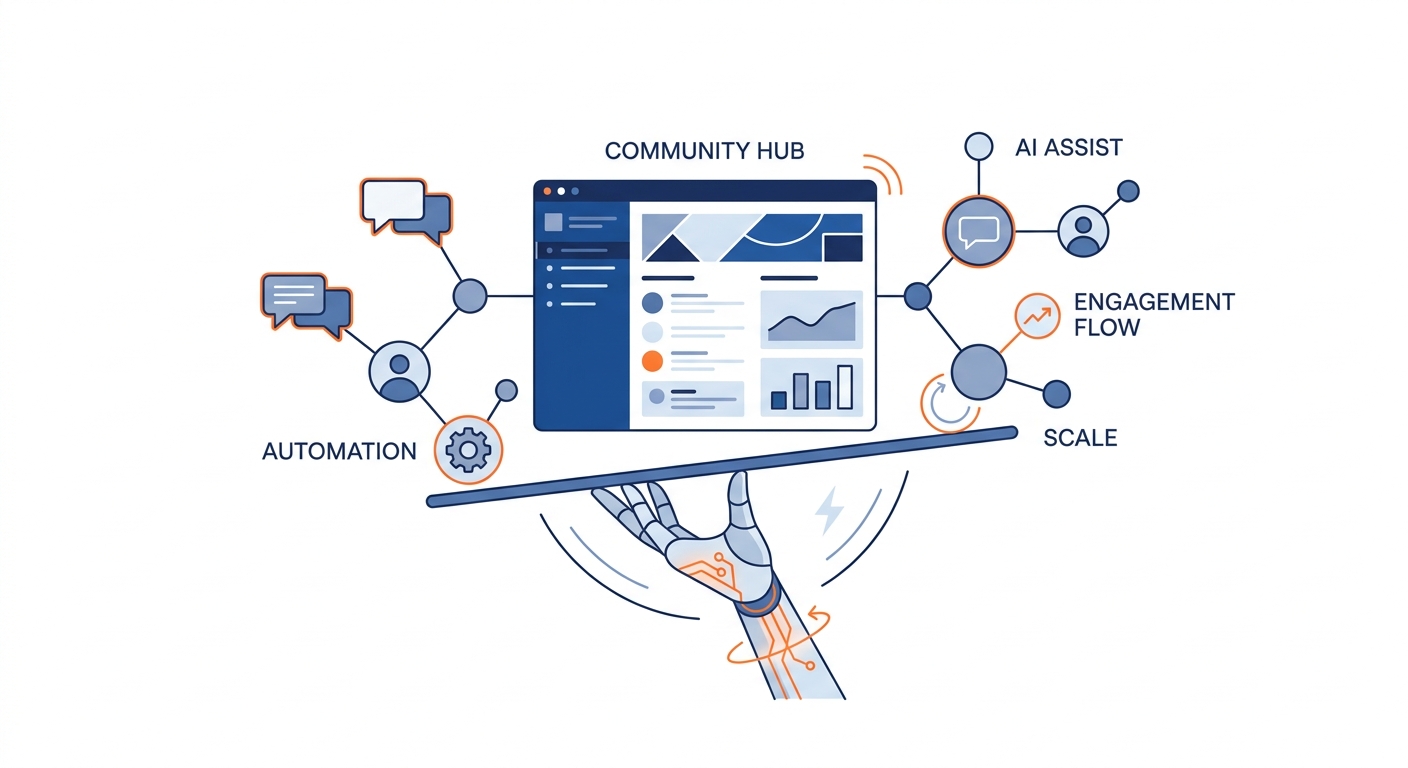
How to scale social media workflows without losing the human touch: one calendar, AI drafts with approvals, platform-native versions and triaged replies.

Build an Instagram content calendar with AI in 7 steps: set pillars, write a voice brief, plan a format mix, draft with AI, review, schedule and refine weekly.
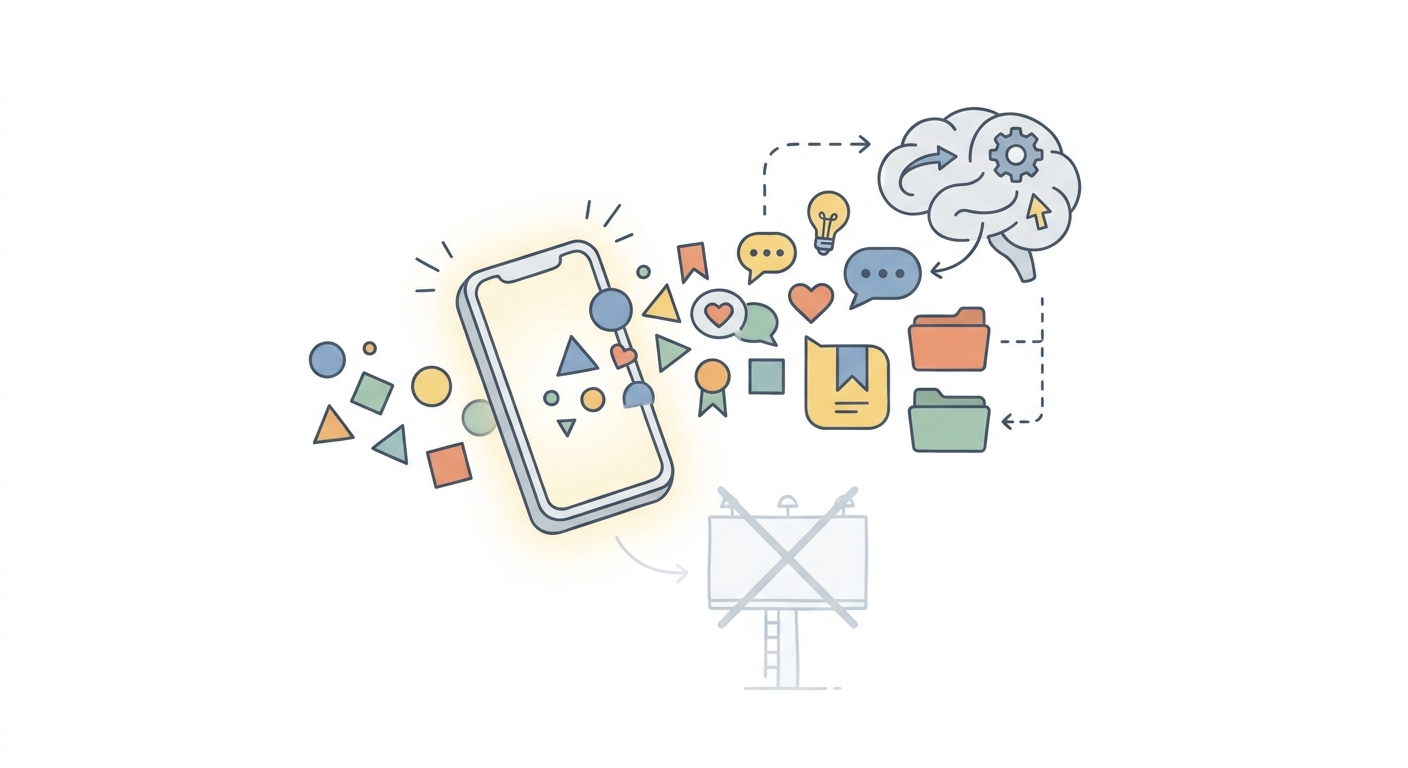
How to use an AI Instagram content generator to lift engagement: what to automate, prompts for saves and DMs, keyword captions and a weekly workflow.
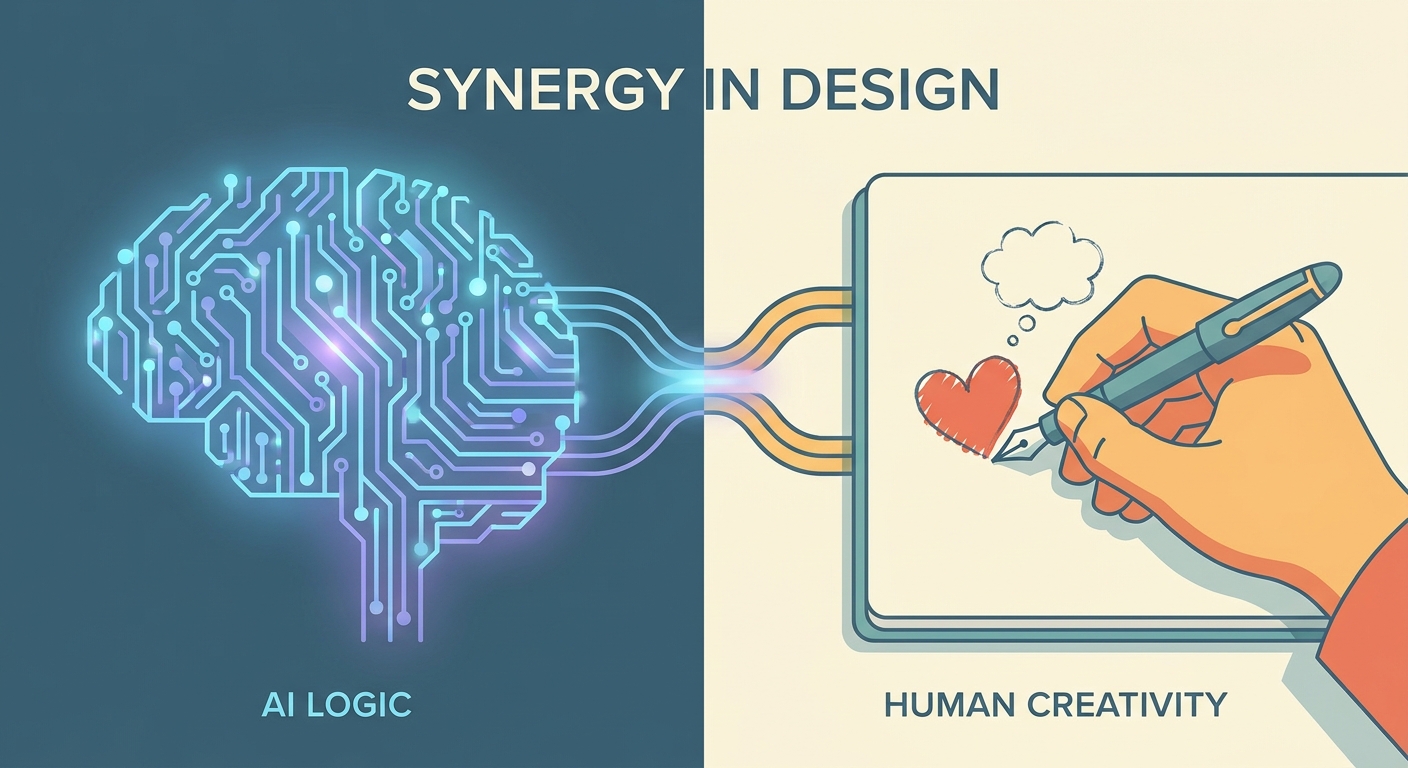
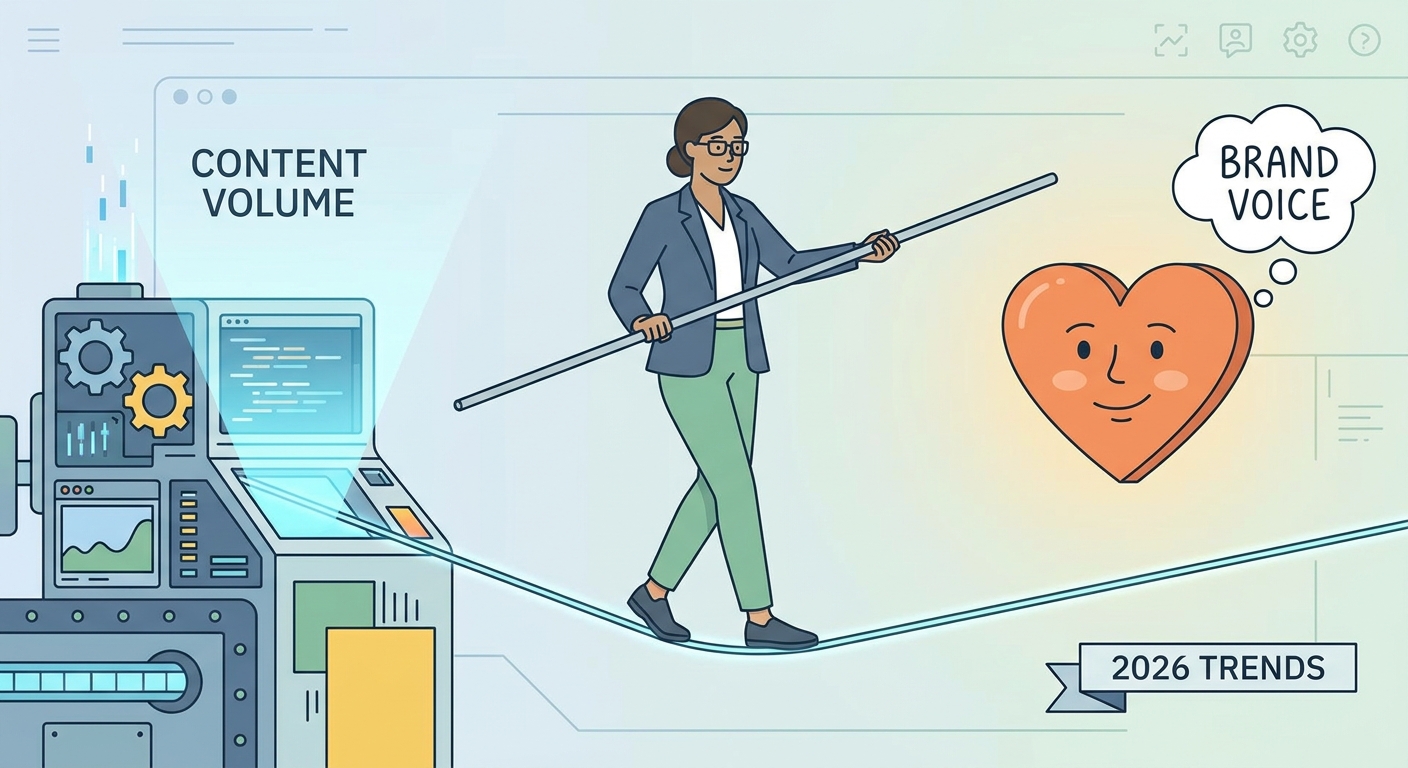
How to balance AI and human content on social media: what to automate, what must stay human, an 80/20 workflow, brand voice guardrails and review steps.

Stop manually grinding on social media. Discover why AI is the new operating system for brands in 2026 and how to build a winning human-AI hybrid strategy.
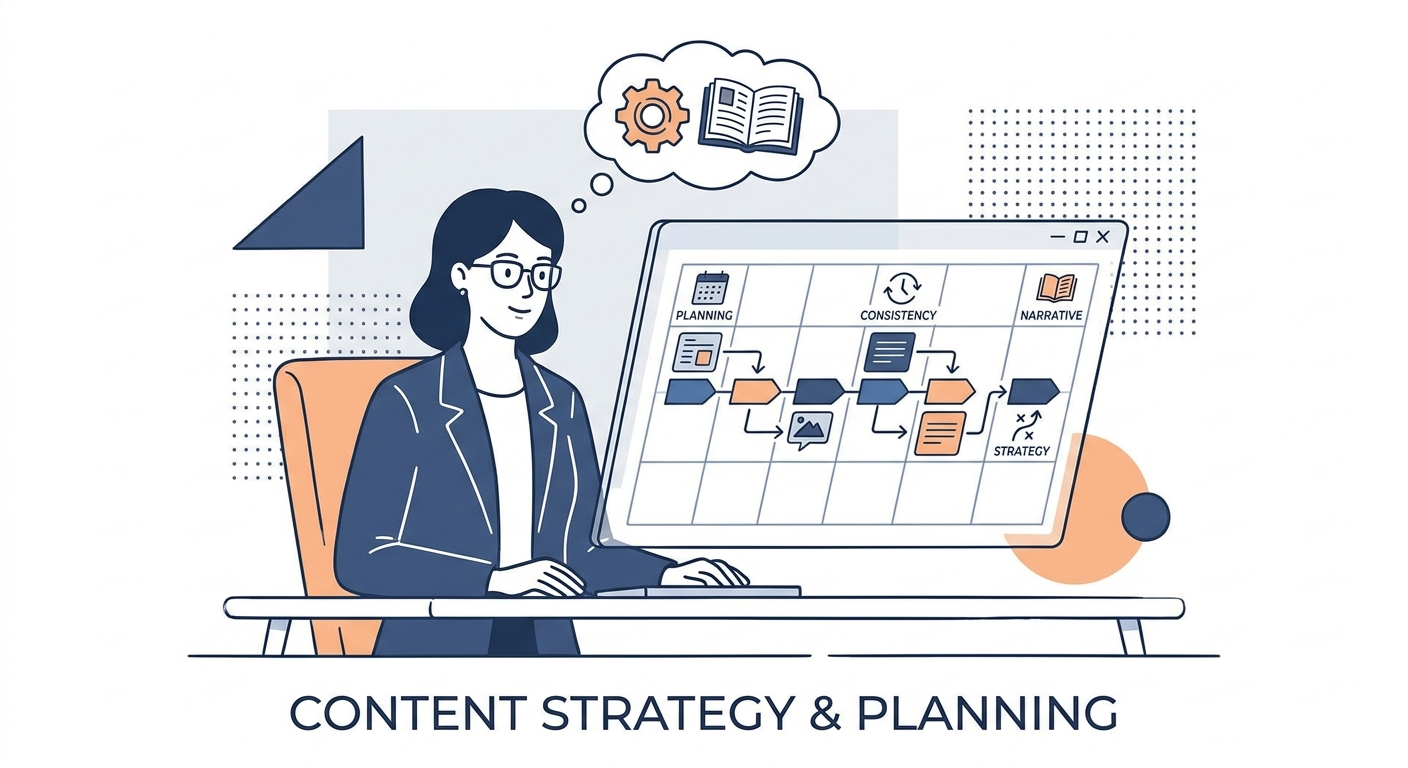
Content calendar management in 7 steps: audit, set pillars, define fields, repurpose, add approvals, keep a pause switch and review weekly to post consistently.
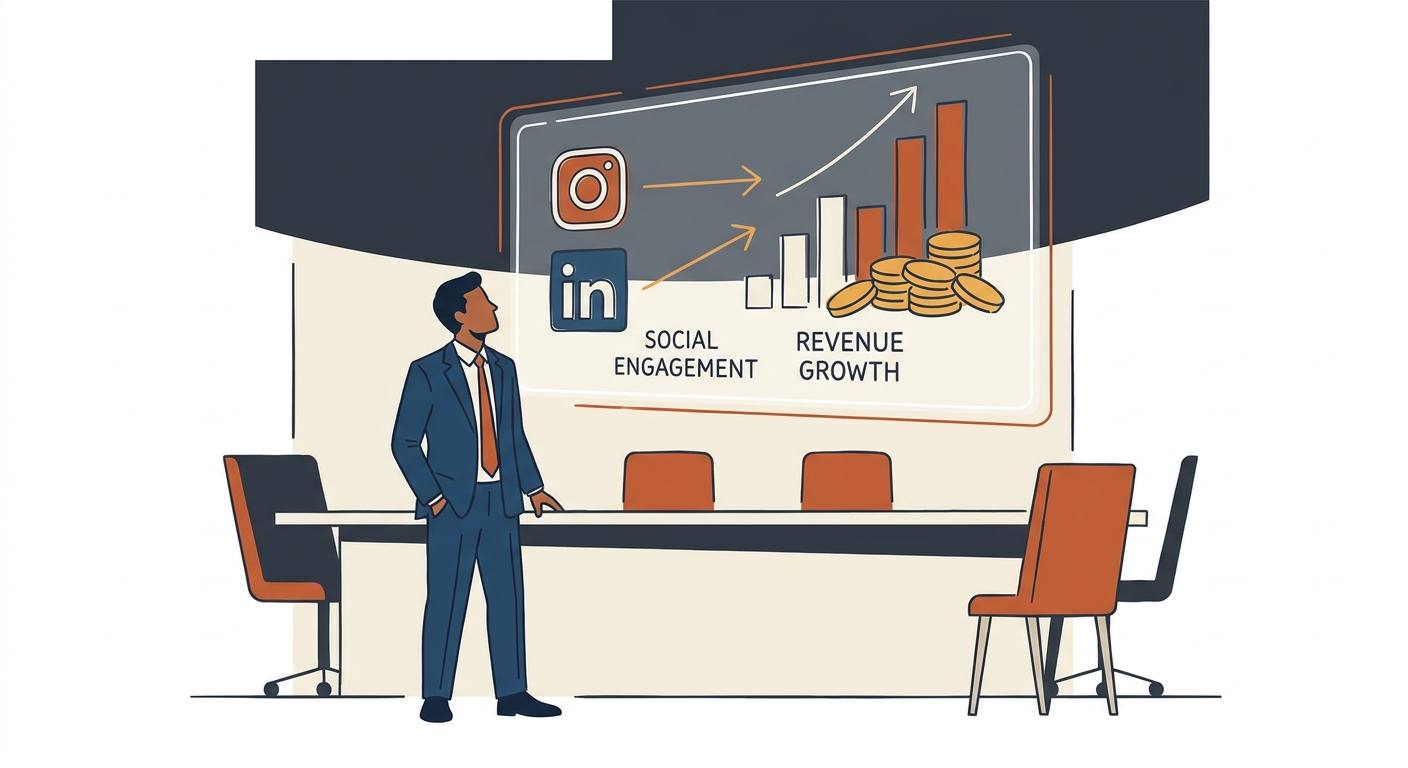
How to calculate social media ROI with the full cost picture, track the metrics that matter, set up attribution, measure AI's impact and report to a CFO.

How to scale a social media agency without hiring: productize services, standardize onboarding, use AI drafts, and automate approvals and reports.
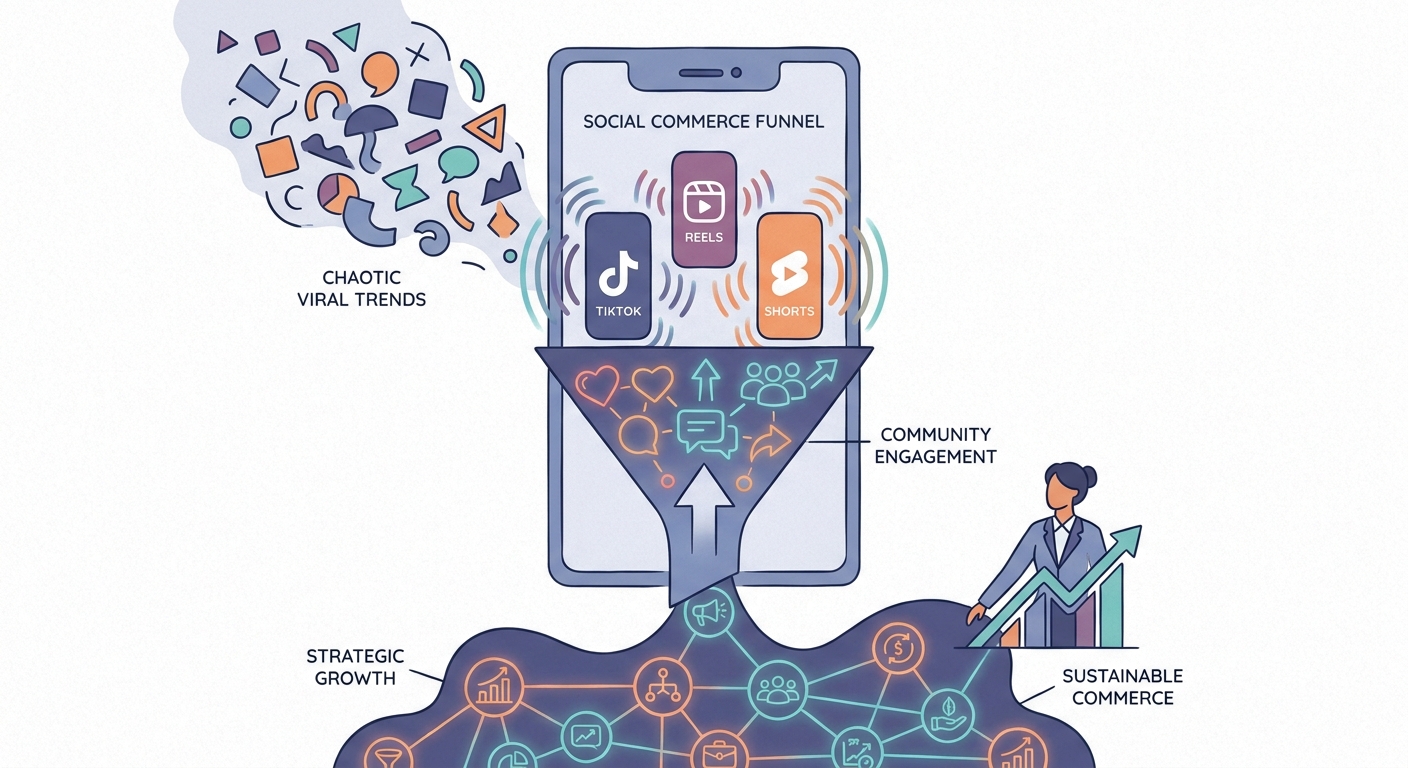
A 2026 short-form video strategy for TikTok, Instagram Reels and YouTube Shorts: pick platforms by goal, write hooks, build a shorts-to-long funnel, measure.
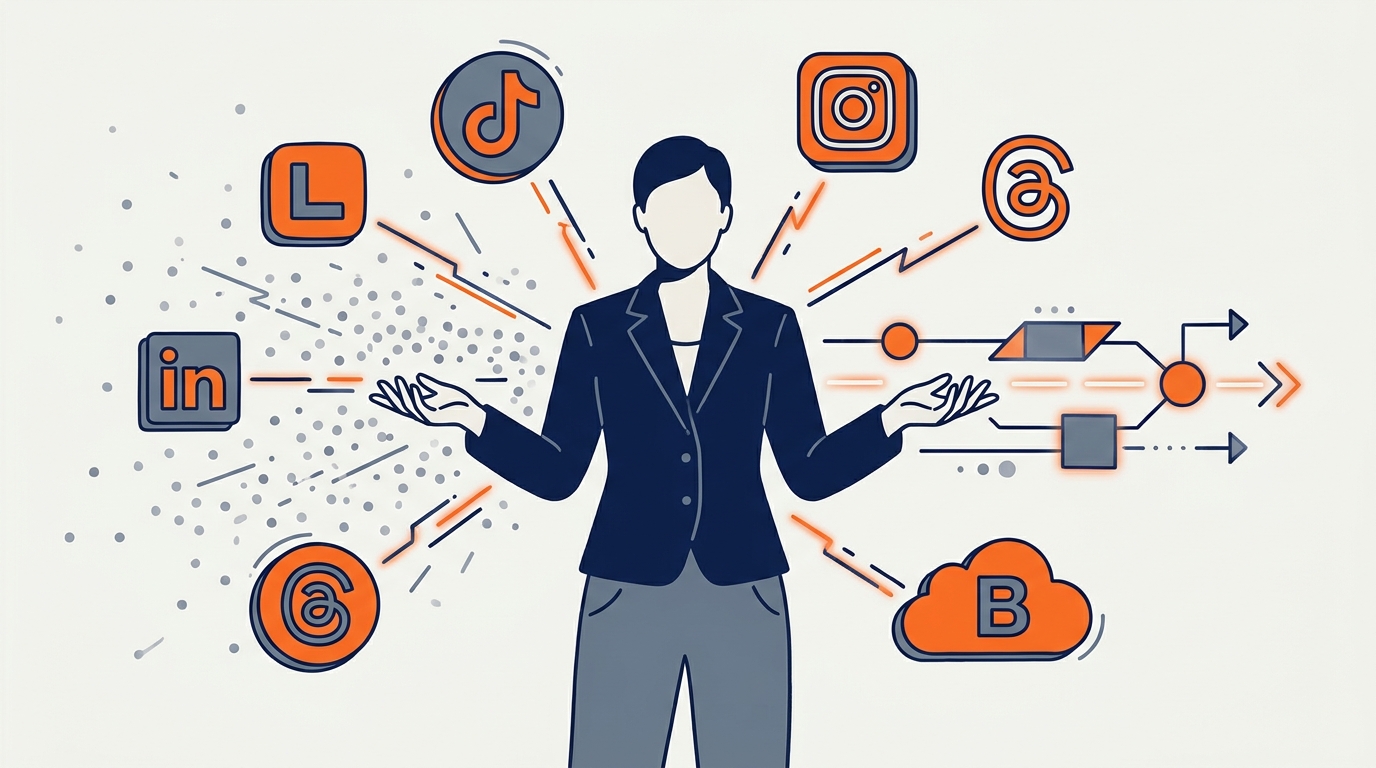
LinkedIn, TikTok, Instagram, Threads and Bluesky compared for 2026: audience, formats, effort and best use, with a framework to pick the right two for you.
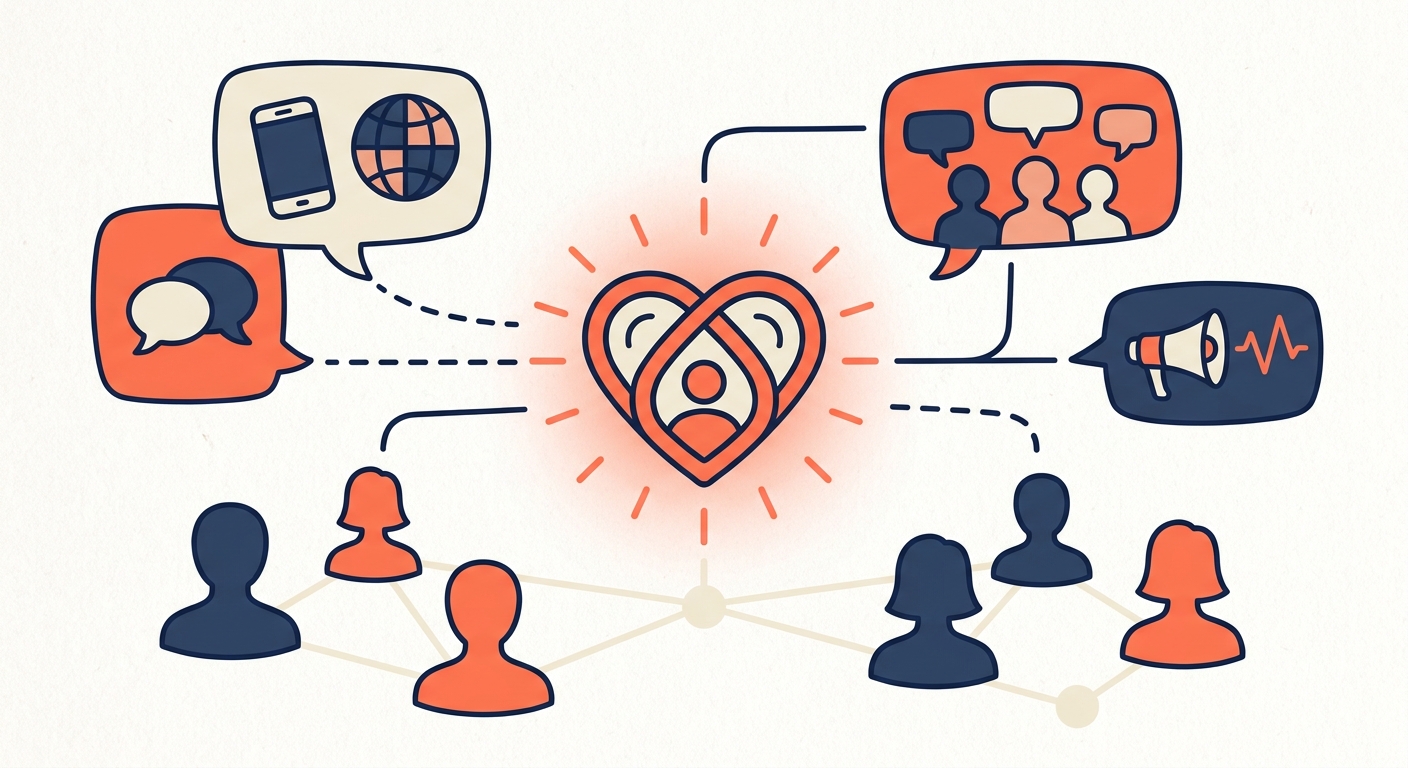
Brand storytelling frameworks for social media that build loyalty: customer-as-hero, values-led and behind-the-scenes stories, story arcs and measurement.
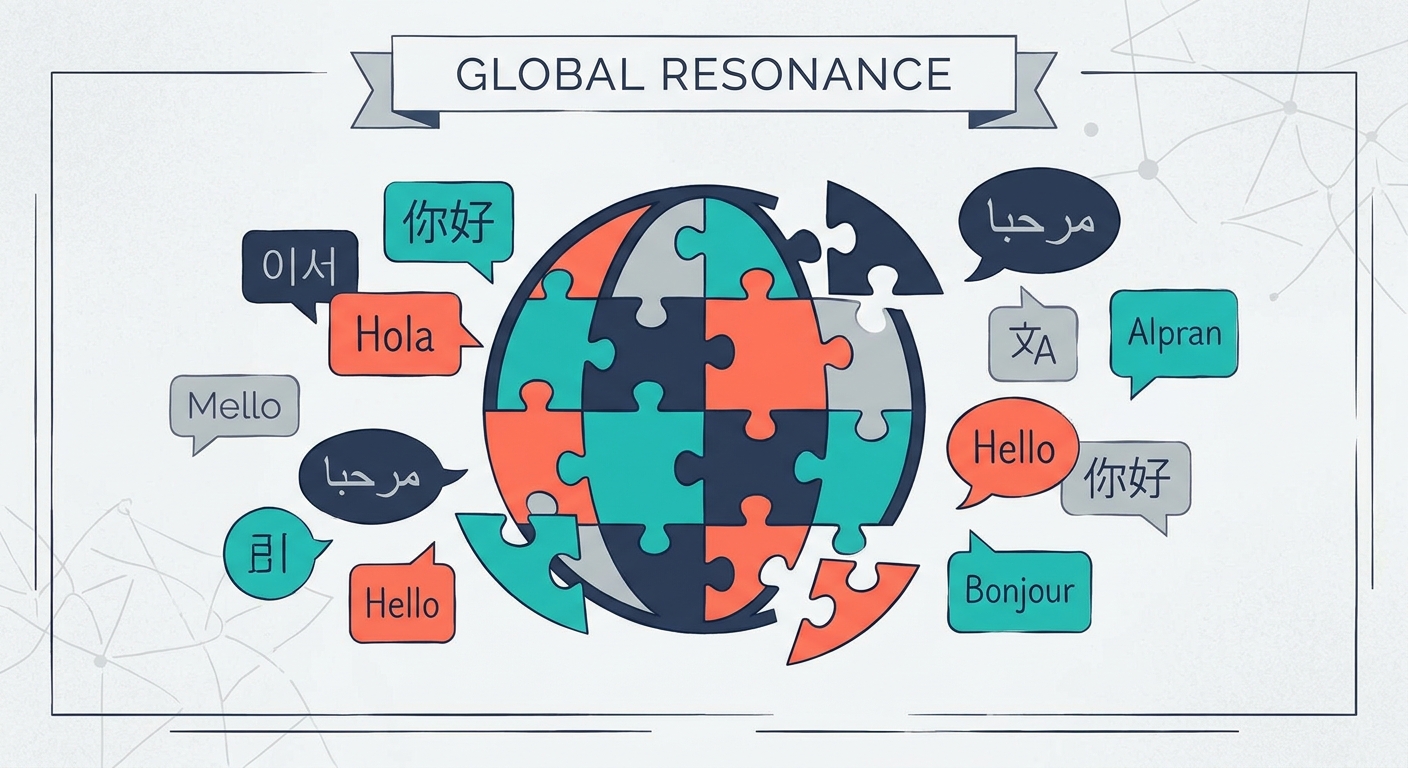
Stop translating and start localizing. Learn how to adapt your social media strategy for global markets without losing your brand voice or meaning.
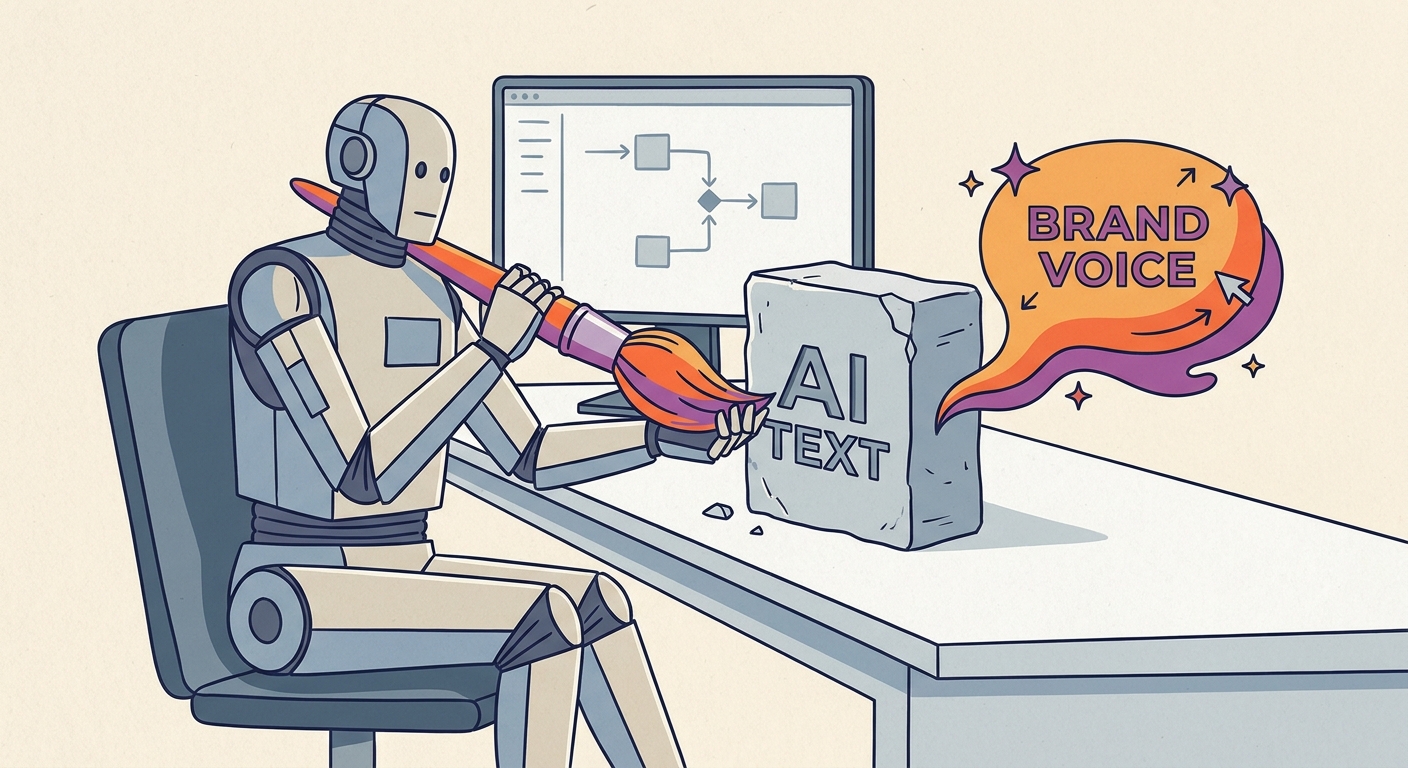
Train AI to write in your brand voice: build a voice profile, use few-shot examples and rules, stop drift, and measure consistency across every channel.
How to write brand voice guidelines for social media: voice vs tone, a personality matrix, a one-page template, per-network tone and AI guardrails.
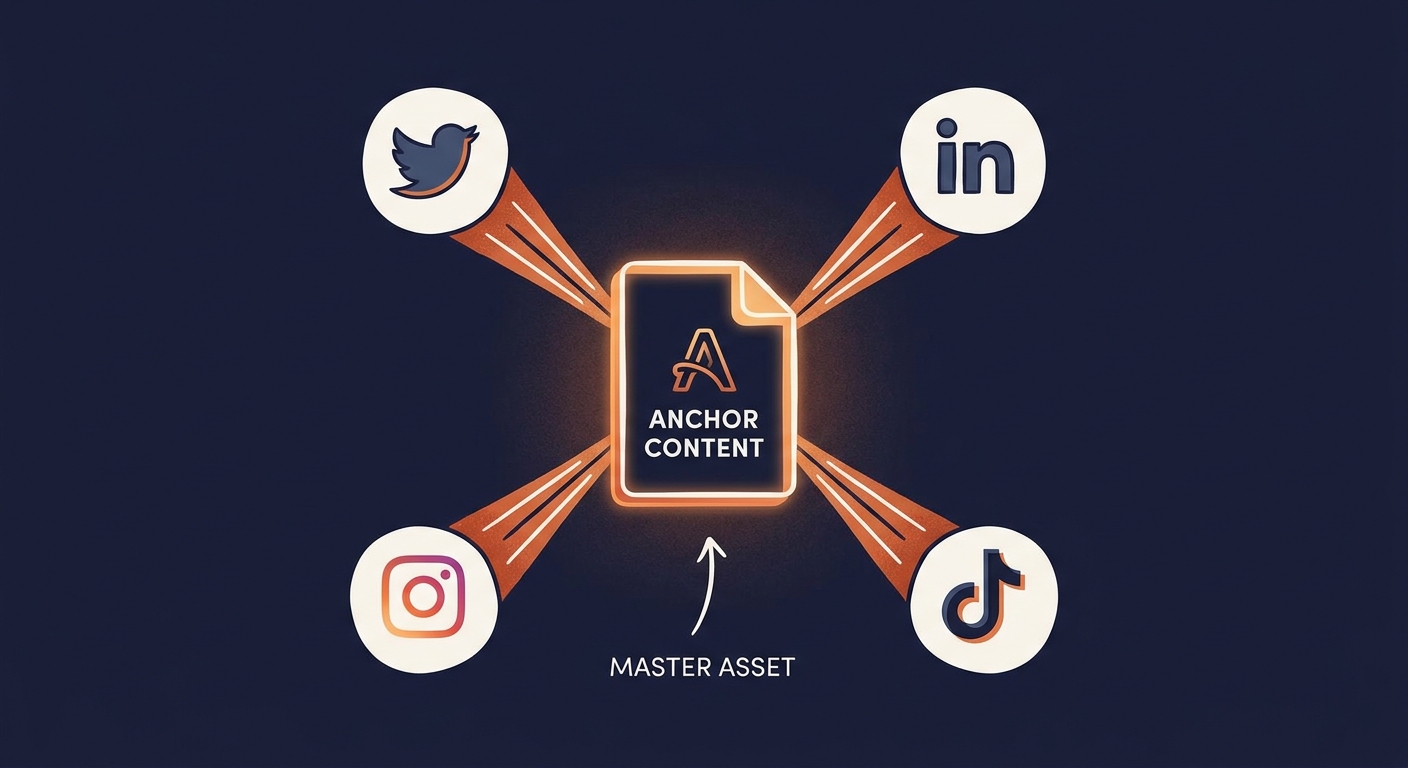
How to repurpose content: turn one anchor asset into platform-native posts with a repeatable workflow, a format matrix, AI with a human edit, and clear KPIs.

Practical social media copywriting tips: write hooks that stop the scroll, use AIDA, PAS and BAB, adapt copy for each network and edit AI drafts to sound human.
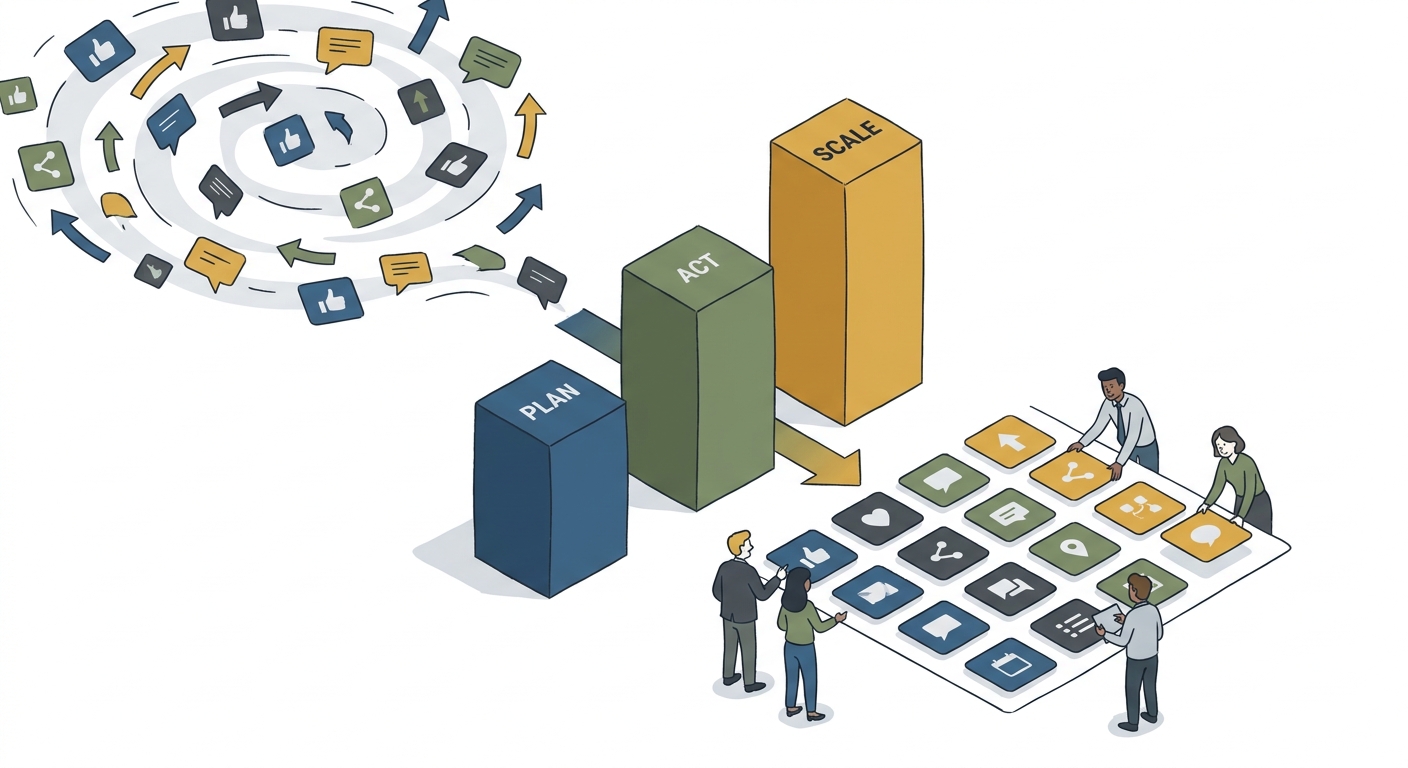
What social media content pillars are, how to choose 3 to 5, examples for B2B, ecommerce and local brands, and how to plan, tag and measure them as a team.
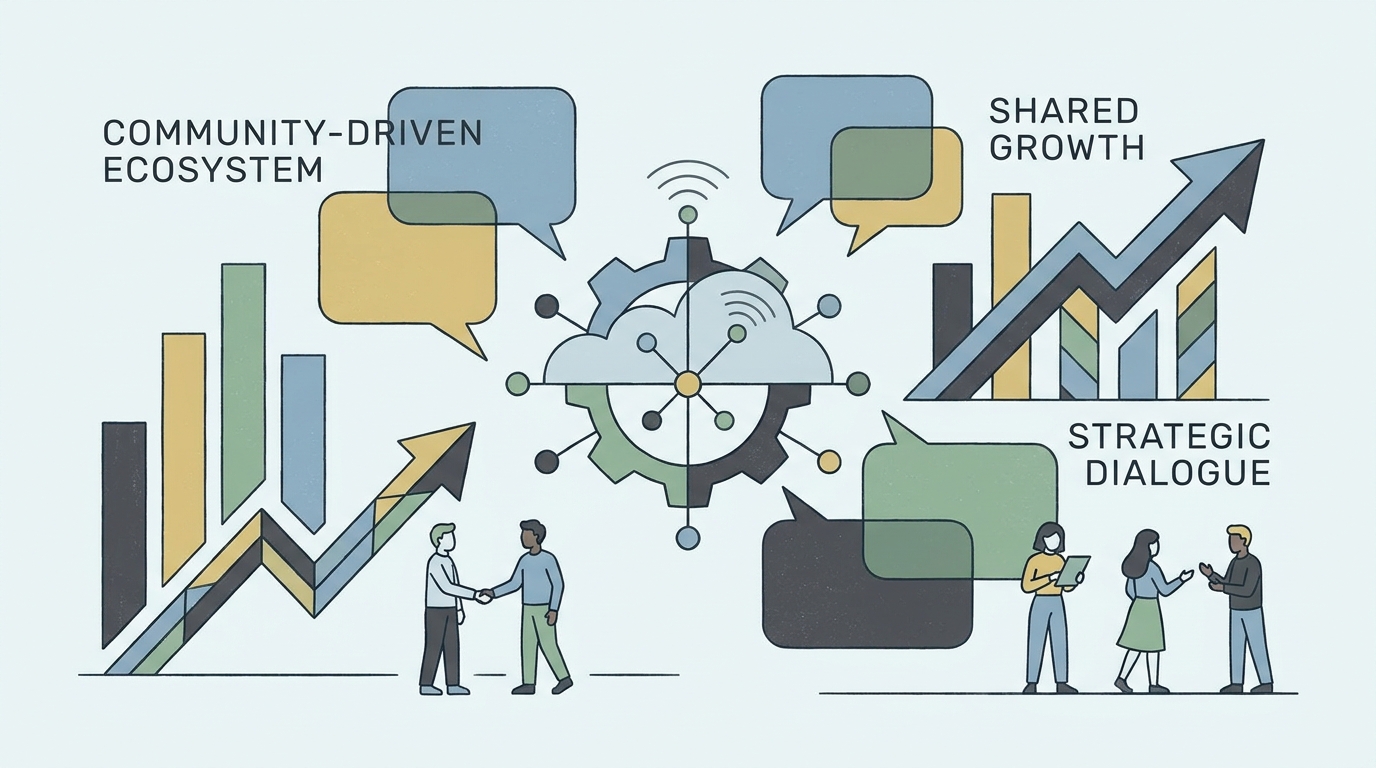
A social media content strategy ties every post to a business goal. Learn the 7 steps: goals, audience, platforms, pillars, cadence, workflow and review.
How to bulk schedule social media posts: batch a month of content in one session, use CSV imports or an AI planner, and keep quality and engagement high.
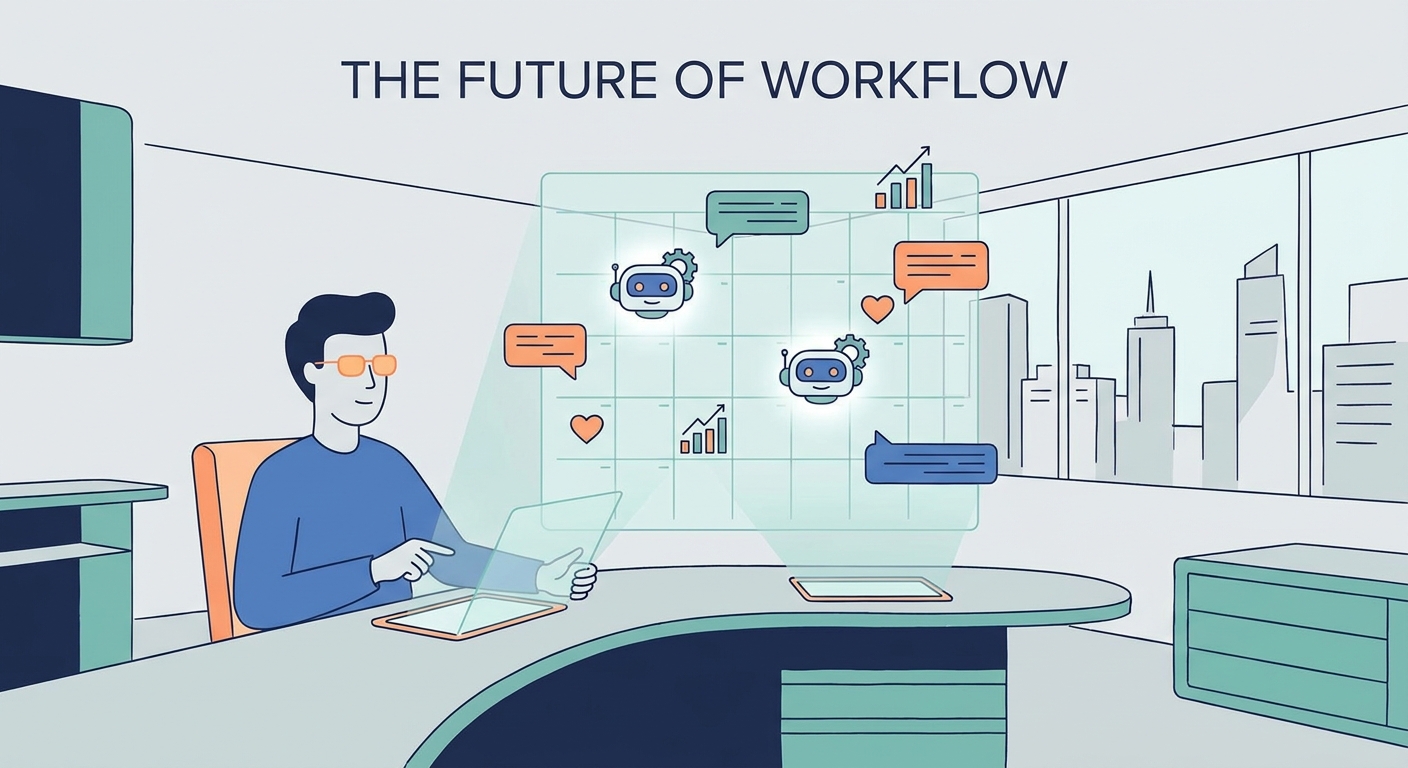
Plan a 30-day social media content calendar with AI: set goals, map pillars to the funnel, batch drafts, keep a human review step and track what converts.
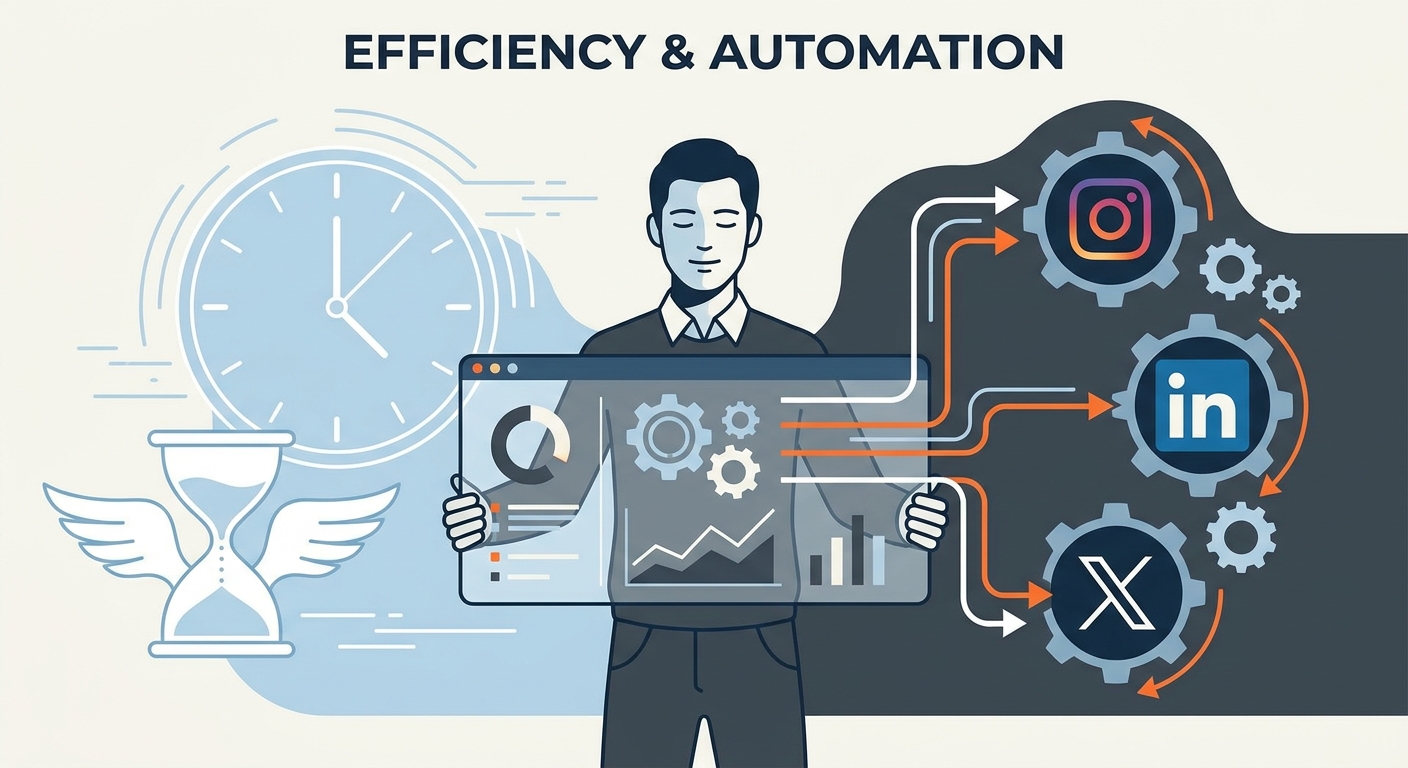
Automate social media posts without sounding robotic: audit what to automate, write a voice bible for AI, add human approval and keep a kill switch ready.
We compared 10 social media schedulers on price, pricing model, free plans, networks, AI writing and approvals. Prices checked October 2026 on vendor sites.
How to use ChatGPT for social media: what it does well, where it fails, platform prompts, a human review checklist and how to get drafts onto a schedule.
The best AI social media tools for content creators in 2026, by workflow stage: research, drafting, design, video, scheduling, plus how to build a lean stack.

Stop using 30 hashtags! Discover why precision beats volume and how to use an AI hashtag generator to master Social SEO and boost your reach in 2026.

How to use an AI caption generator to write Instagram captions that sound human: brief the AI, write hooks, add search keywords and edit before you post.
In-house team, agency or AI? Compare the true cost of social media content, including hidden costs, with a worksheet to work out the right model for you.
Stop hoarding data. Learn how to create impactful monthly social media reports that prove business ROI and resonate with the C-suite in 2026.
How to use AI for content creation without publishing generic filler: the workflow, brand voice, AI search, social media, tools, ethics and ROI.
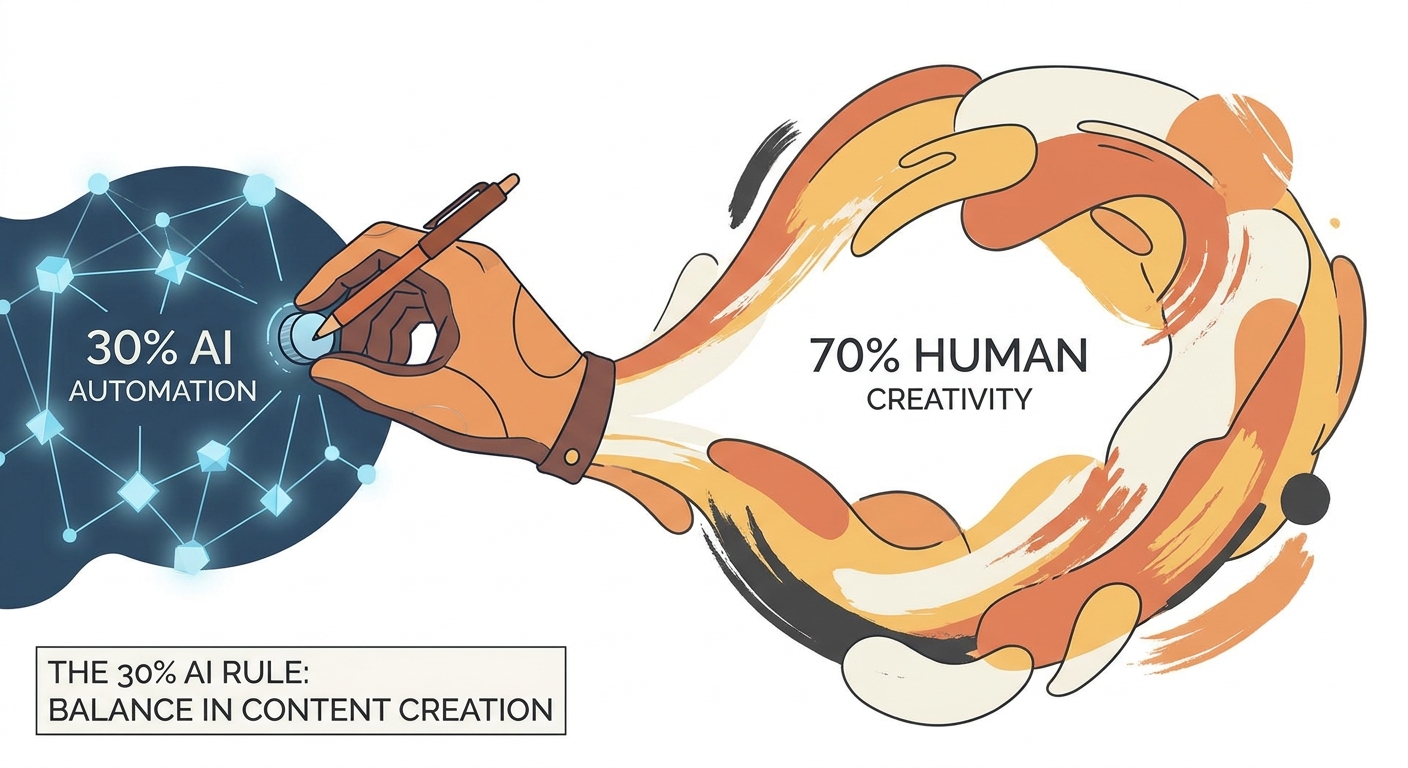
Learn the 30% Rule for AI content creation. Balance machine efficiency with human authority to boost SEO rankings and protect your brand's credibility.
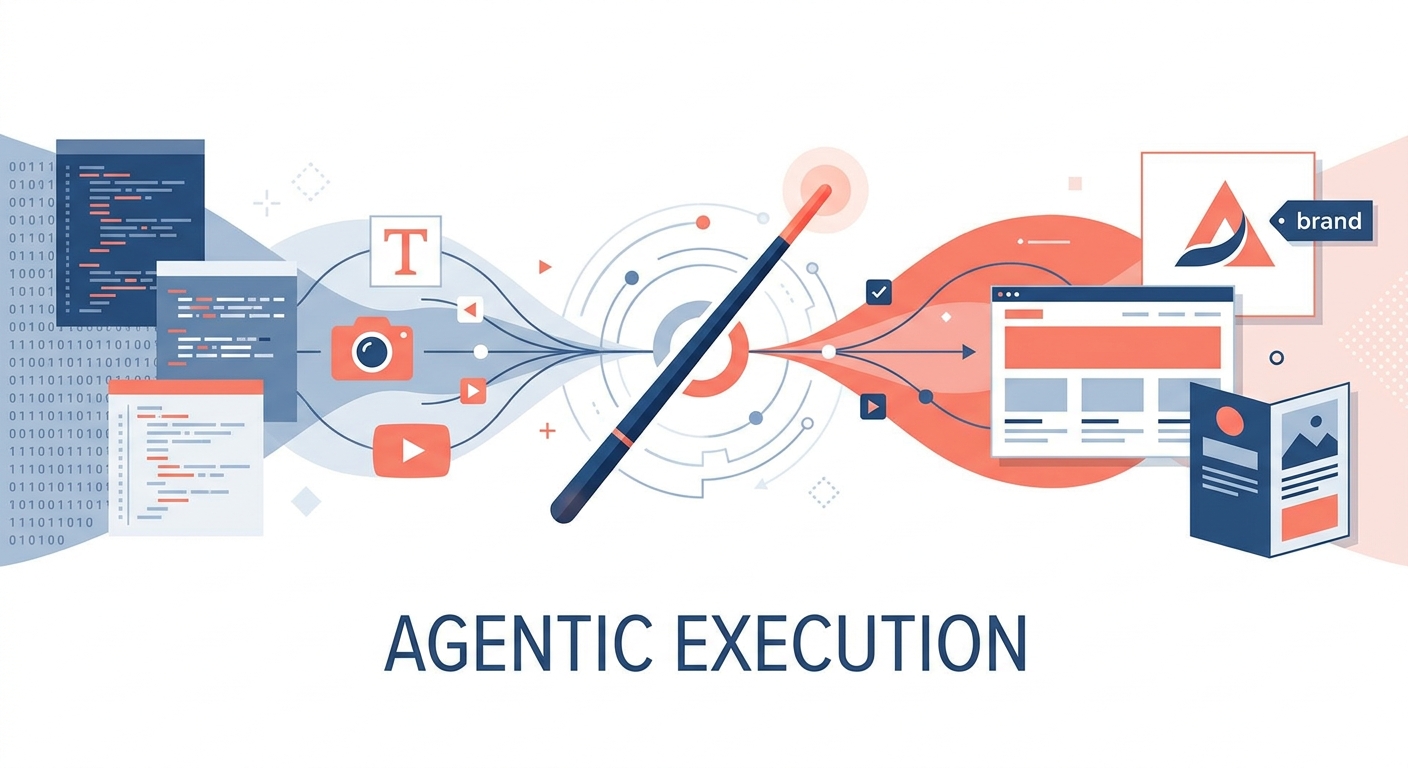
Discover how to move beyond basic prompts with agentic AI. Explore 21 inspiring examples of AI-powered content creation, performance marketing, and automation.
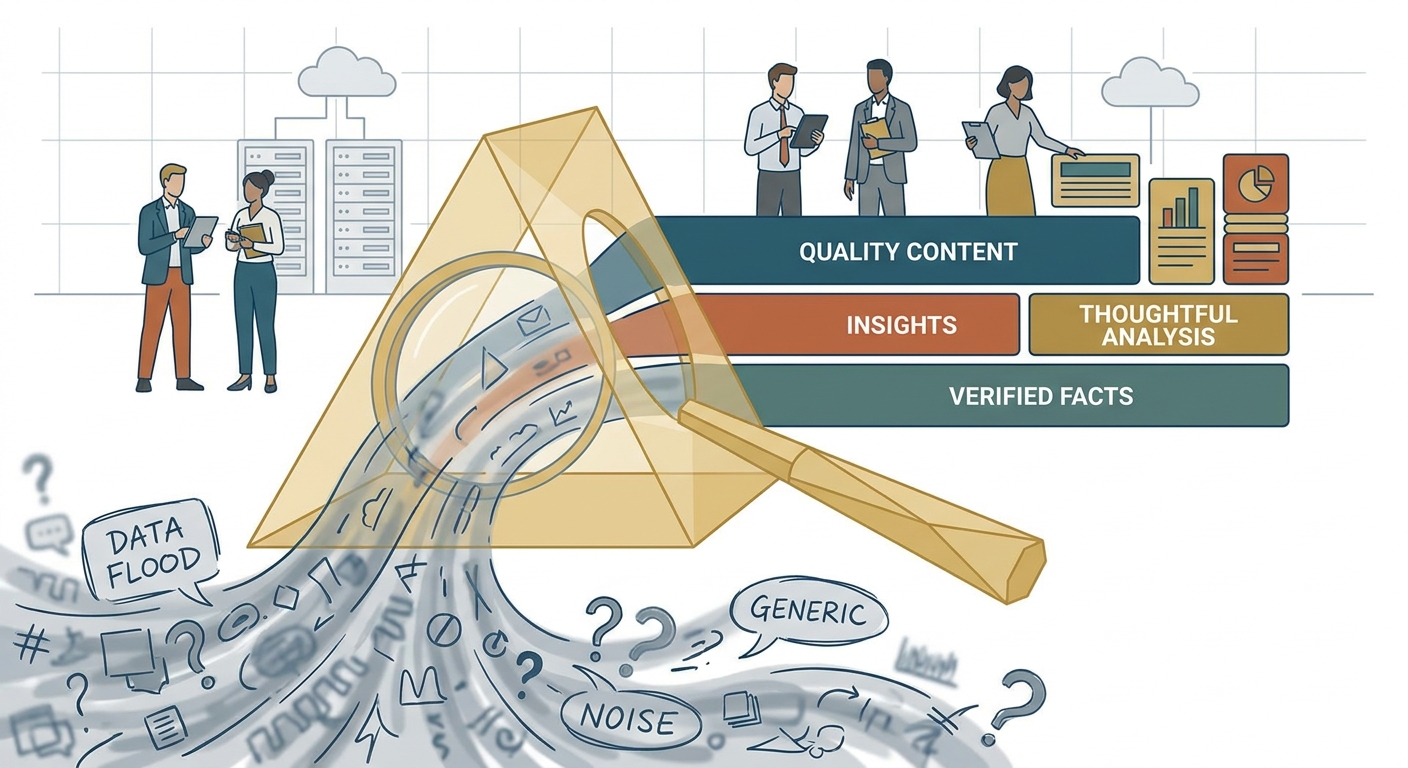
Are AI-powered content services worth it? Compare DIY tools, AI software and human-led agencies, see the hidden costs, red flags and questions to ask first.
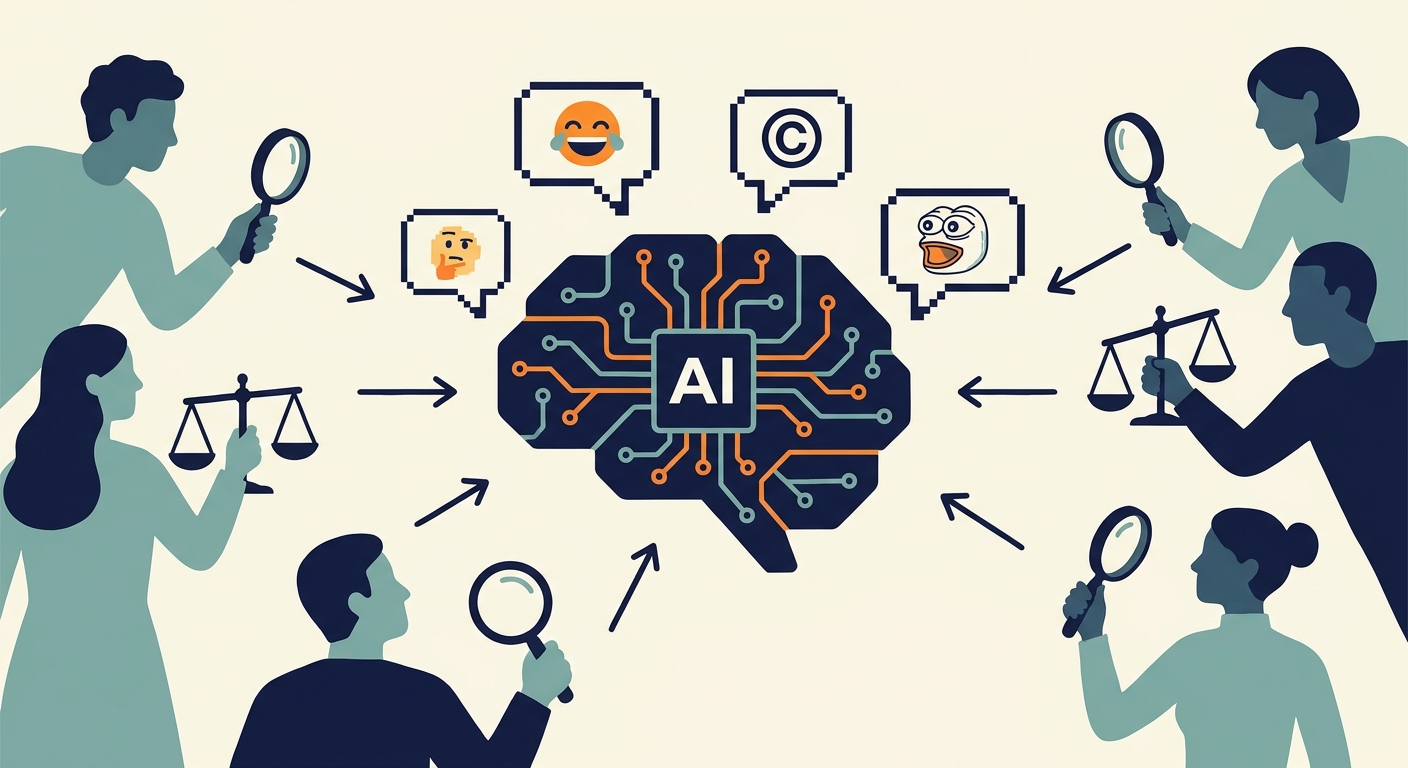
The internet was built on the back of the "remix"—a chaotic, beautiful, and often legally precarious exchange of cultural artifacts. It’s the digital equivalent

The 8 best social media management tools for creators and marketers, split into scheduling platforms and creation add-ons, with a guide to choosing yours.
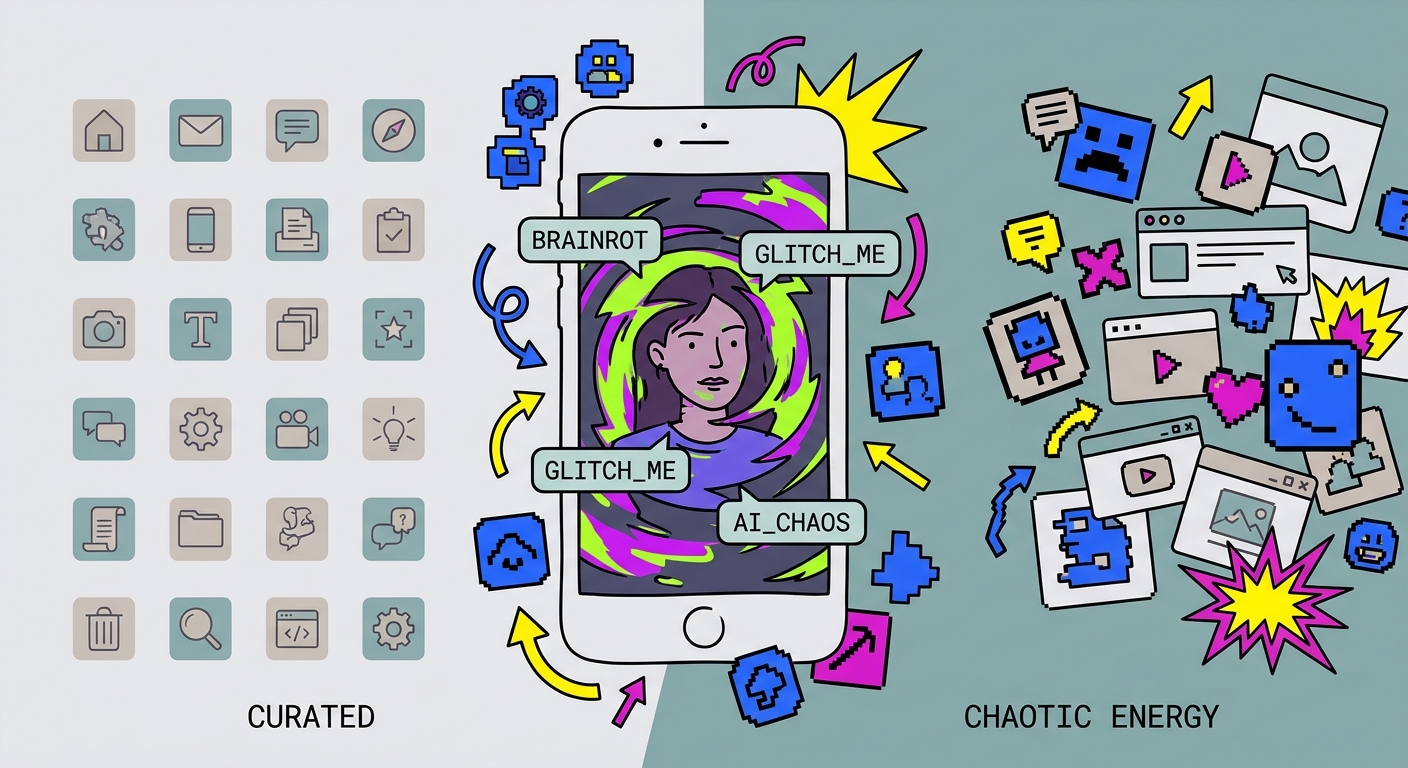
How AI filters and image-to-video effects drive social media trends, with prompt templates, a creation workflow, platform fit and when to label AI content.

How to make meme videos with AI: spot a trend, write prompts that land the joke, generate clips, add the human punchline and publish in the right format.

How to create short-form videos with AI: scripting, clipping, captions, reframing and repurposing for Reels, TikTok and YouTube Shorts without a big team.
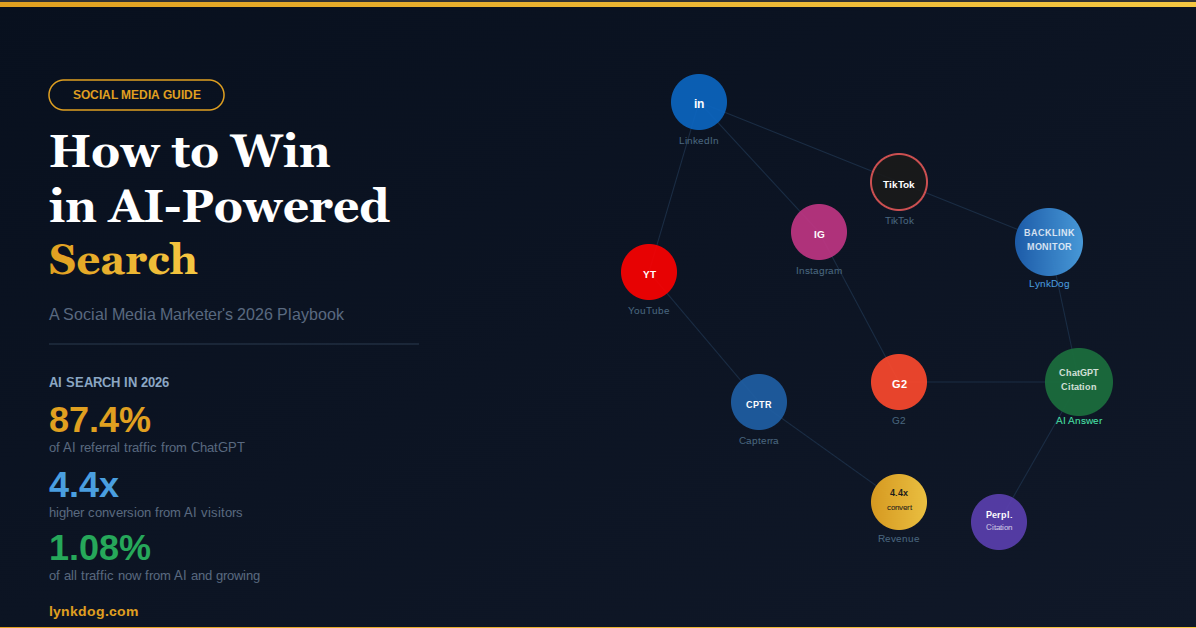
How social media marketers can get their brand mentioned in ChatGPT, Perplexity and Google AI answers: consistent positioning, earned mentions and monitoring.

How Meta, TikTok, YouTube and X handle AI-generated content: labeling rules, auto-detection, the legal context and a practical compliance checklist.

The real risks and rewards of AI-powered content creation: where AI saves time, where it hurts trust and SEO, and a human-in-the-loop workflow that works.

How to create aesthetic lifestyle content that feels real: pick a niche, build a visual system, pair polished visuals with honest stories and post sustainably.

Stop playing prompt-writer. Learn why 2026 marketing demands autonomous agentic workflows over manual generative AI to scale unique, high-velocity content.
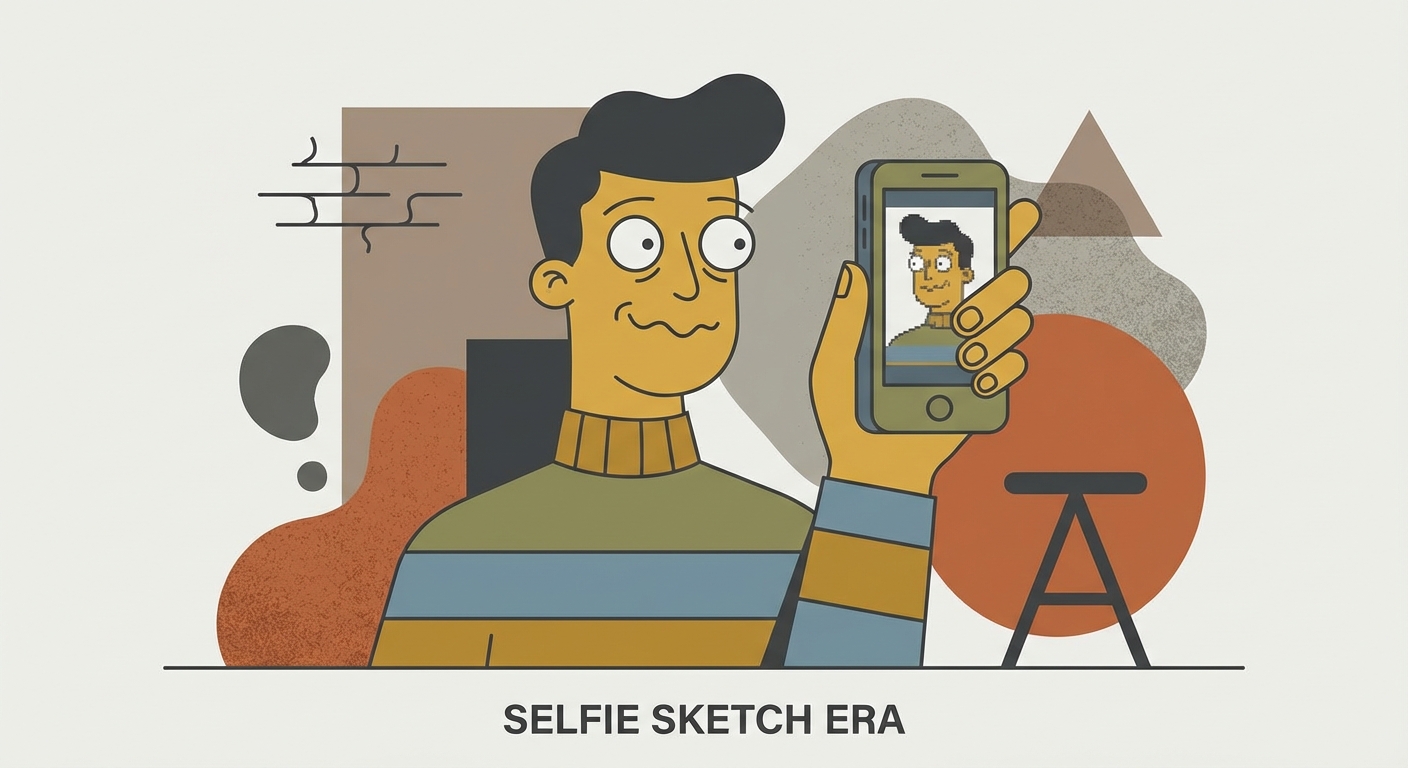
How to make front-facing camera comedy that lands: hooks, sketch structure, lighting, framing and audio, plus a simple shoot-to-post workflow for Reels.
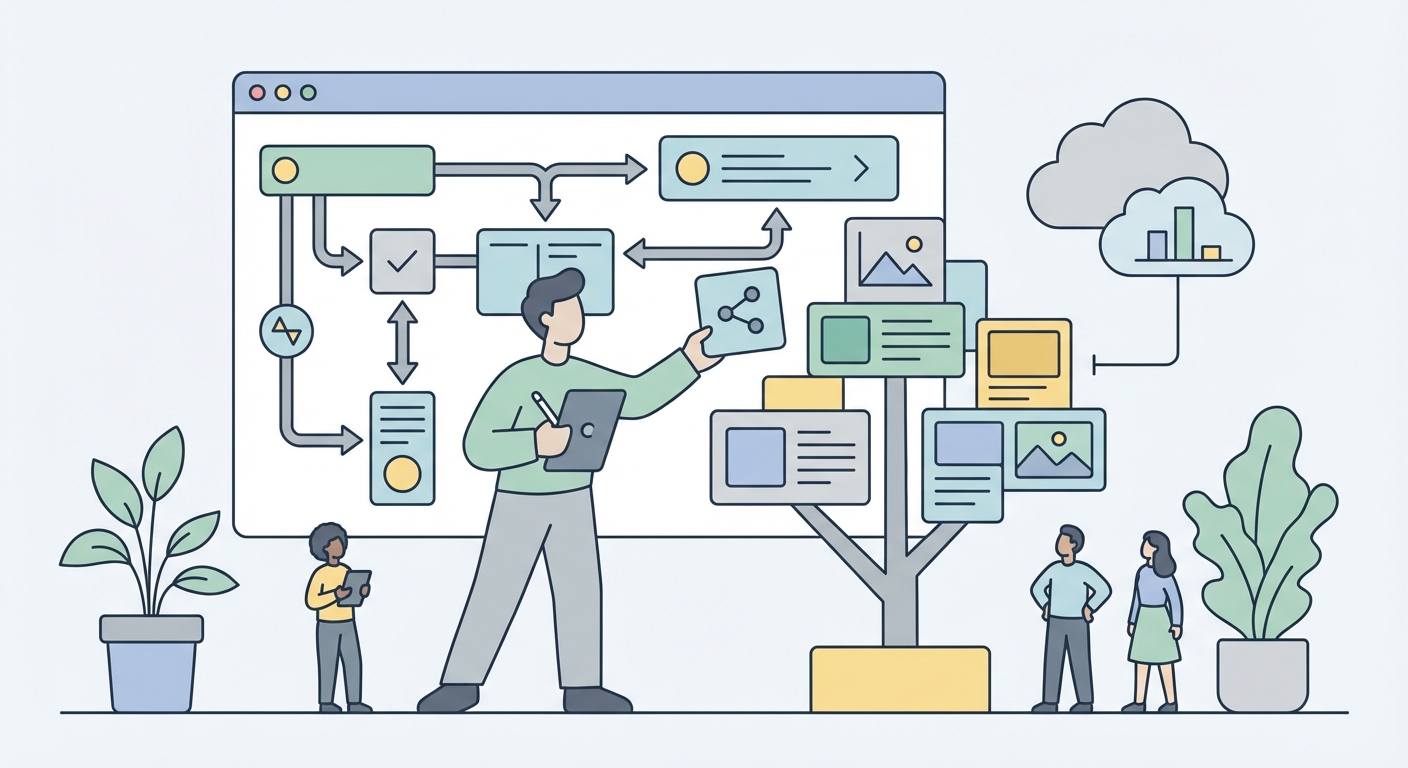
How to use AI for viral content: let humans pick the idea, use AI to generate and test hooks cheaply, then scale the winners. Workflow, prompts and pitfalls.
Audit your social media tool stack in five steps: list every tool, score usage and cost, find overlaps, cut dead weight and keep a lean workflow that lasts.

AI caption generators compared by workflow: general chat assistants, writing suites, design tools and schedulers with built-in AI. Pick the one that fits.
Free vs. paid social media tools: what free plans really cover, the seven signs you have outgrown them, and a simple time-cost test for when to upgrade.
Plan e-commerce social content from Black Friday (Nov 27, 2026) to New Year: key dates, a phase-by-phase calendar, post examples and a batching workflow.

How e-commerce brands use AI-generated Pins, product catalogs and scheduling to drive steady Pinterest traffic, with a step-by-step workflow and labeling rules.

What still works in hashtag strategy: 3 to 5 specific tags, keywords in captions and on-screen text, and the rules for each network, plus what to drop.

How single sign-on (SSO), MFA and role-based access protect client social accounts at agencies, with a step-by-step plan for onboarding, offboarding and audits.

How to adapt AI-generated posts for LinkedIn, Instagram, TikTok, X, Threads and more: format, length, hooks and review steps each platform rewards.
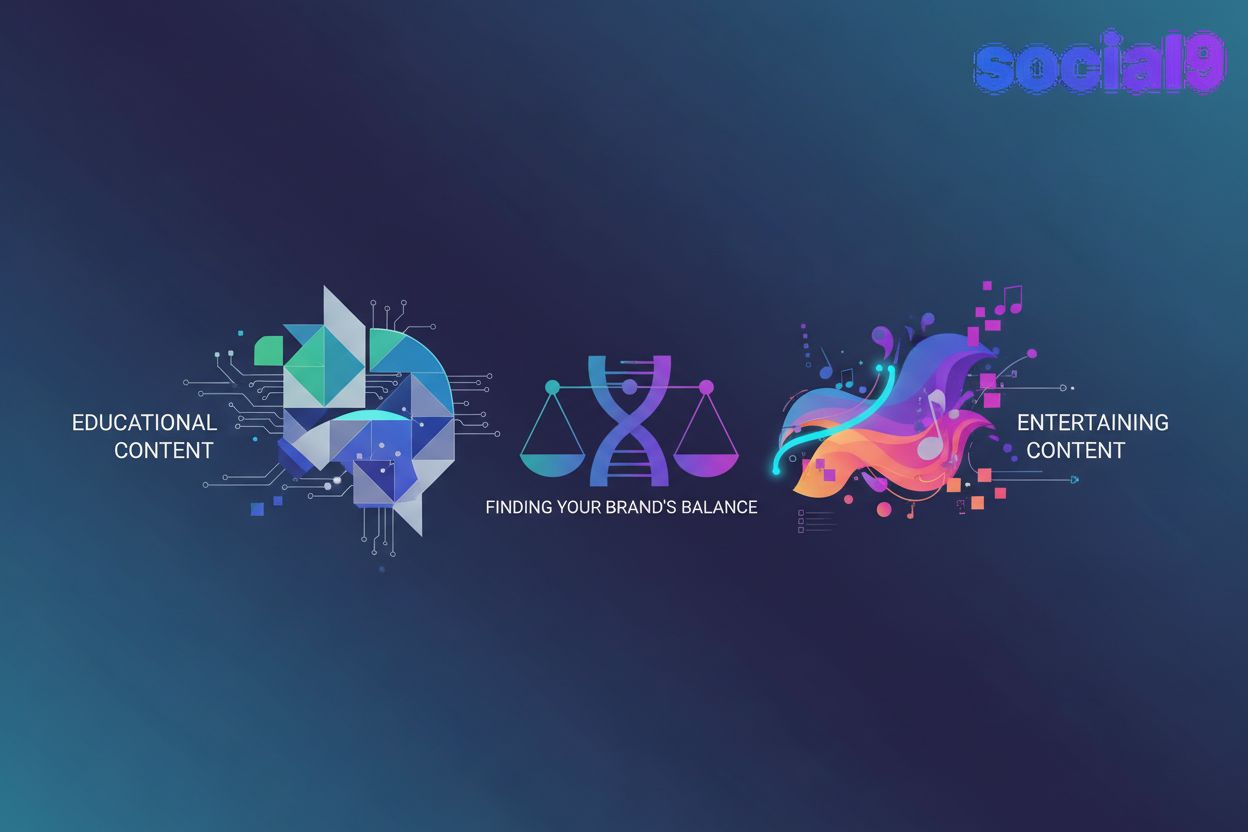
How to balance educational and entertaining content on social media: a starting ratio, platform-by-platform mix, edutainment formats and the metrics to track.
Behind-the-scenes content ideas that build trust, what to never show on camera, platform-by-platform tips and a simple plan for posting BTS content every week.
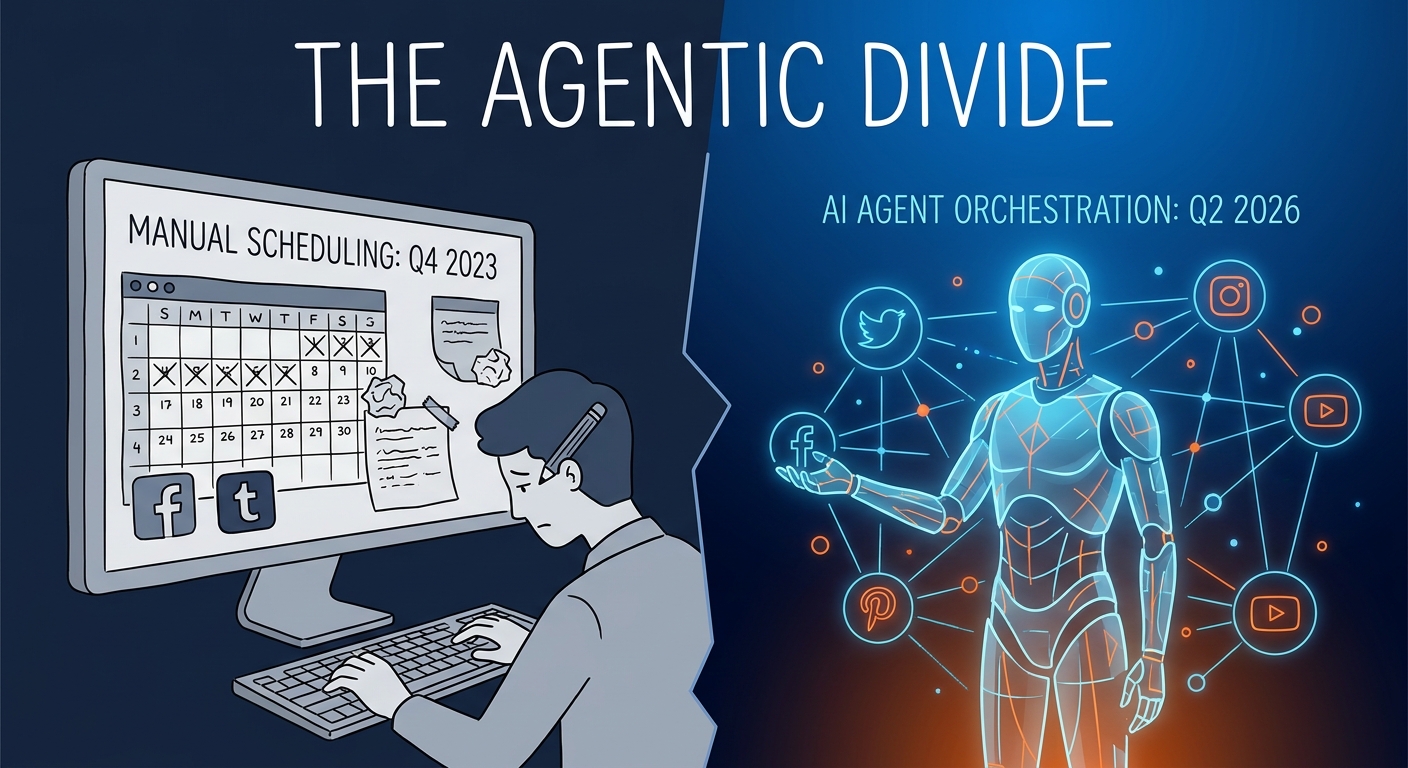
What AI agents do in social media marketing: planning, writing, scheduling and reporting, where they save time, and how to keep a human in the approval loop.
How to use AI voiceover tools for Reels, TikTok and Shorts: tool types, a step-by-step workflow, voice cloning consent, AI disclosure rules and quality tips.

The best AI image enhancement tools for social media: upscaling, background removal, cleanup and restoration, plus a simple workflow to prep photos for posts.
How social media creators use AI chat-with-PDF tools to pull tone, facts and ideas from brand guides and reports, plus tool options and a simple workflow.
How to build a largely automated YouTube channel with AI for ideas, scripts, voiceover, editing and scheduling, while staying within YouTube monetization rules.
How AI design tools help you make on-brand social graphics faster: tool types, prompts, brand kits, a step-by-step workflow, platform tips and copyright limits.
The social media trends brands use now, from short-form video and social search to creators and AI, plus a simple process for picking the right ones.
What AI-powered marketing is, where it helps most (content, data, personalization), the tools by task, the ethical limits and a step-by-step way to start.
What content trends teach businesses: how to judge which trends fit, read your own data, adapt by platform, prepare for AI search and keep a brand voice.

AI video creation tools explained: text-to-video, avatars, AI editors and clip repurposing, how to choose one, a step-by-step workflow and disclosure rules.
Automate social media content creation with AI step by step: feed it your own ideas, draft in your brand voice, repurpose, review, schedule and measure.
The best time to post on X (Twitter) is weekday midday to early evening, local time. See the data, best days, and a two-week test to find your own best times.
How to use video templates for Reels, TikTok, Shorts and LinkedIn: which template types to build, how to brand them and a workflow for faster production.
How long should social videos and posts be? Find the right content length for each platform and goal using retention data, starting ranges and simple tests.
What social tribes are, how creators can use AI listening and language analysis to find them, and how to make content each tribe accepts as genuine.

The best AI meme generators for image and video memes, plus a workflow, prompts, satire tips and labeling rules for making brand memes that land.
How AI content personalization works on social media: the data you need, personas, tailoring posts by audience and network, privacy limits and what to measure.
Use AI for social media storytelling: pick a story structure, build hooks and series arcs, adapt each story per network and keep a human editor in control.
How to use AI to script TikToks, Reels and YouTube Shorts: a hook-body-CTA structure, prompts that work, a step-by-step workflow and where humans edit.
How AI sentiment analysis reads comments and mentions, how to use it for content, community health and crises, which tools to try and its accuracy limits.
How to use AI summarization to turn articles, reports, PDFs and videos into accurate social posts: tool types, prompts, a step-by-step workflow and checks.

How to use AI for accessible social media: alt text, captions, transcripts, readable text and contrast checks, plus a step-by-step workflow and checklist.
How multi-agent AI systems split social media work into research, writing, review, scheduling and analytics agents, plus the risks and a safe rollout plan.
What multimodal AI is, how it combines text, images, audio and video for social media content and analysis, and a practical workflow to use it responsibly.
Where bias in AI content moderation comes from, how to audit it, and practical steps brands and community managers can take to moderate their channels fairly.

Build a social media crisis plan with AI: early-warning monitoring, severity levels, holding statements, approvals and when to pause scheduled posts.
How to use AI segmentation to find micro-communities inside your audience, write posts for each one and measure results, with steps, examples and metrics.
What programmatic influencer marketing is, how AI helps with discovery, vetting, briefs and tracking, and a step-by-step plan to run a scalable creator program.
How to use AI social bots ethically: disclosure, human approval, privacy, bias checks, platform automation rules and the FTC and EU laws that apply to creators.
How AI content detection works, why text detectors are unreliable, how Meta, TikTok and YouTube label AI media, and how brands keep AI-assisted posts real.

How AI powers social commerce: product content and visuals, personalized recommendations, chat support, AR try-on, analytics, ethics and how to start small.
What decentralized social media means for creators: how Bluesky, Mastodon and the fediverse work, how to grow there, and how to post without extra workload.
What synthetic media is, how brands use AI images, avatars, voice and video on social media, plus disclosure rules, legal risks and a responsible workflow.

How AI trend forecasting works for social media: the signals to watch, free and paid tools, and a weekly routine for acting on a trend before it peaks.
What predictive social media analytics is, how creators use it to forecast topics, formats and posting times, the data you need, tools and the limits.

How to use AI to find the right influencers: define fit, search by audience and topic, vet engagement and fake followers, and build a shortlist you can trust.

How social media reporting APIs automate analytics: what each network exposes, no-code vs custom setups, and a step-by-step guide to a weekly automated report.

Advanced social listening for creators: Boolean queries, intent alerts, automated sentiment analysis, early trend spotting and turning insights into posts.

How to use AI for social media content ideation: research inputs, prompts that work, scoring ideas and turning the best into a posting calendar.

How to generate hyper-personalized ad copy with AI: segment inputs, prompt templates, variation testing, platform tools and keeping ads accurate and compliant.
How generative AI creates images and video for social media, which tools suit which formats, how to keep AI visuals on-brand, and how to disclose them properly.

AI content ethics for social media: accuracy, bias, copyright, privacy, likeness and disclosure, plus the review workflow and policy that keep brands trusted.
Why GIFs work on X (Twitter), when brands should use them, how to add or make one, file tips, accessibility and copyright rules, and mistakes to avoid.
How to manage your reputation on social media: monitor mentions and reviews, respond to criticism, handle a crisis and build trust, with a step-by-step plan.
The best time to post on Instagram is usually a weekday morning or early afternoon in your audience's time zone. See what the studies say and how to test it.
The best online graphic design tools for social media images: Canva, Adobe Express, Figma, Kittl, Photopea and more, plus what each is best for and how.
LinkedIn profile optimization tips: keywords, headline, photo and banner, About section, custom URL, Featured, skills, recommendations and posting.
Ten Instagram growth hacks for business accounts that still work: trial Reels, carousels, Collabs, five-hashtag captions, DMs and a weekly review routine.
The best Pinterest marketing tools for businesses: free native analytics and Trends, Pin design, scheduling, e-commerce and AI tools, plus how to choose.
How to use social media for lead generation: pick the right networks, build lead magnets, use native lead forms, track UTM clicks and follow up fast.
How to use Instagram Reels for business: content ideas that sell, a weekly production workflow, captions, trial Reels and the metrics that show results.
What Instagram Reels are, how they differ from Stories and posts, and how to make a Reel step by step: recording, audio, text, editing, captions and posting.
Free ways to get more likes and followers on your Facebook Page: optimize the Page, post Reels, invite contacts, use Groups and promote it off Facebook.