What is social media autopilot? How AI posting works (and where to keep a human)
Social media autopilot uses AI to plan, draft, schedule and publish posts. Learn how the loop works, platform AI rules, and where a human must stay in charge.
Autopilot & AI
The "Distracted Boyfriend" template is officially six feet under. If you’re still pushing out static images and dusty stock photography to grab attention in 202 Alex ChenAI Content StrategistPublished 6 min read

The "Distracted Boyfriend" template is officially six feet under. If you’re still pushing out static images and dusty stock photography to grab attention in 2026, you aren’t just behind the curve—you’re invisible. You’re shouting into the abyss, and the abyss is currently busy watching a hyper-realistic, AI-generated video of a pug conducting a symphony.
The internet has grown up. The new gold standard isn’t just a funny picture; it’s high-fidelity, surreal, hyper-personalized motion. AI isn’t here to steal your comedic timing. It’s here to act as your personal, high-speed production department. It turns your weirdest, most absurd ideas into scroll-stopping reality in seconds. To win today, you have to bridge the gap between human wit and machine-generated chaos.
Static memes are dying. In a feed dominated by motion, a still image is just background noise. According to HubSpot Video Marketing Statistics, video content consistently eats static posts for breakfast, driving higher engagement and keeping eyes on screens longer. The algorithms powering TikTok, Reels, and Shorts are addicted to movement.
When you inject AI-generated surrealism—picture a tuxedo-clad cat playing a grand piano in a subway station—you create a "pattern interrupt." It’s the visual jolt required to stop a user’s thumb from mindlessly scrolling past your brand.
Static memes rely on familiarity, which is a trap. AI-driven video relies on novelty. You can now place your brand or your specific brand of humor into scenarios that were once impossible or cost-prohibitive to film. You aren’t just posting a joke anymore; you’re dropping a cinematic moment that feels tailor-made for the cultural zeitgeist.
The gap between a viral hit and a forgotten post is often measured in minutes. You need a "Speed-to-Trend" workflow. You have to spot a cultural flicker and publish your content before the internet decides to move on to the next obsession.
graph TD
    A[Trend Identification] --> B[Prompt Engineering]
    B --> C[AI Video Generation]
    C --> D[Human-Led Editing & Wit]
    D --> E[Platform Distribution]
    E --> F{Viral Feedback Loop}
    F --> A
Cultural moments happen in real-time. Whether it's a bizarre celebrity interview or a sudden shift in workplace slang, your job is to find the "human truth" buried in the noise. What’s the relatable struggle? Where is the irony? Pin that down first.
Once you have the concept, stop hunting for stock footage. Use text-to-video tools to mold the visual to fit your punchline. Need a corporate office, but one that’s slowly filling with water? The AI handles the heavy lifting. It renders the scene in an aesthetic that matches your brand’s voice, not some generic, low-effort aesthetic.
This is where the magic happens. AI can build the house, but it can’t decorate the interior. You add the text overlays, the trending audio, and the specific timing that makes a meme "click." AI doesn't understand your audience’s inside jokes. That’s your domain. Own it.
The secret sauce is the "Relatability Multiplier." Pair a mundane, universally felt human struggle—the soul-crushing anxiety of an unread email, the frustration of a software update—with an AI-generated visual that is just absurd enough to feel fresh.
If you’re looking to streamline this process, our AI Video Generation Tool is built to handle these complex motions and textures, acting as the primary engine for your creative output.
Try these prompt templates to get started:
Choosing your stack depends on your goals. Are you playing for volume, or are you prioritizing cinematic polish?
| Tool Category | Speed | Ease of Use | Cost |
|---|---|---|---|
| Mobile-First AI Editors | Ultra-Fast | High | Low/Freemium |
| Professional Cloud Suites | Moderate | Moderate | Subscription |
| Custom Local Models | Slow | Low | High (Hardware) |
Balance your stack. Keep a mobile-first editor for rapid-fire, reactive content and a robust professional tool for your "hero" videos—the pieces that define your brand’s voice for the month.
There’s a myth floating around that AI will eventually replace the comedian. That’s nonsense. Humor is a social contract built on shared experience. AI can generate a thousand variations of a laughing man, but it doesn't know why that man is laughing at a specific, niche industry problem.
You are the curator. Your "Human-in-the-Loop" strategy ensures that the AI provides the canvas, but your brand’s personality provides the punchline. For businesses looking to scale, our Guide to AI Branding offers a framework for maintaining a consistent, human-centric voice while leveraging automation. Your audience isn't here for your production capacity; they’re here for your perspective.
Once your video is polished, the distribution strategy determines its lifespan. Don't just cross-post the same file everywhere and pray.
Use the TikTok Creative Center to scout trending audio before it hits the mainstream. If you’re posting on TikTok or Reels, your vertical formatting needs to be aggressive—put the "hook" in the first 1.5 seconds or you’ve lost them. For Twitter/X, focus on high-contrast visuals that grab attention even when the video is muted.
Before you go for the main feed, seed your content in niche communities. A post that gains traction in a specific subreddit or Discord server is infinitely more likely to hit the "Explore" page than a post thrown blindly into the algorithmic void.
AI is a technical instrument, not a comedian. It handles the visual composition and the surreal aesthetic, but the "funny" comes from the human context you provide. The humor lies in the juxtaposition of your clever caption or audio choice against the AI-generated imagery.
The key is to keep the AI visuals clear and aligned with your brand’s color palette and tone. Avoid "uncanny valley" results by refining your prompts. Professionalism in 2026 isn't about being stiff; it’s about being culturally literate and self-aware.
Virality is driven by the trifecta of relatability, timing, and visual novelty. If your meme addresses a current, trending frustration while providing a visual experience the user hasn't seen before, you have a high probability of success. Use platforms like Know Your Meme to ensure your context is accurate.
Absolutely not. The entry barrier is lower than ever. Many high-quality AI video generators offer freemium tiers that are more than sufficient to start experimenting. Focus on mastering the prompt engineering and the "human-in-the-loop" editing process before investing in premium enterprise tools.
Beyond keeping a pulse on your own feeds, Know Your Meme is the gold standard for understanding the history and evolution of current formats. Use it to ensure your content is a clever subversion of a trend rather than a late, tired imitation.
Social media autopilot uses AI to plan, draft, schedule and publish posts. Learn how the loop works, platform AI rules, and where a human must stay in charge.

Stop churning out generic AI fluff. Learn how to build a full-stack content workflow that scales your unique human expertise and builds reader authority.
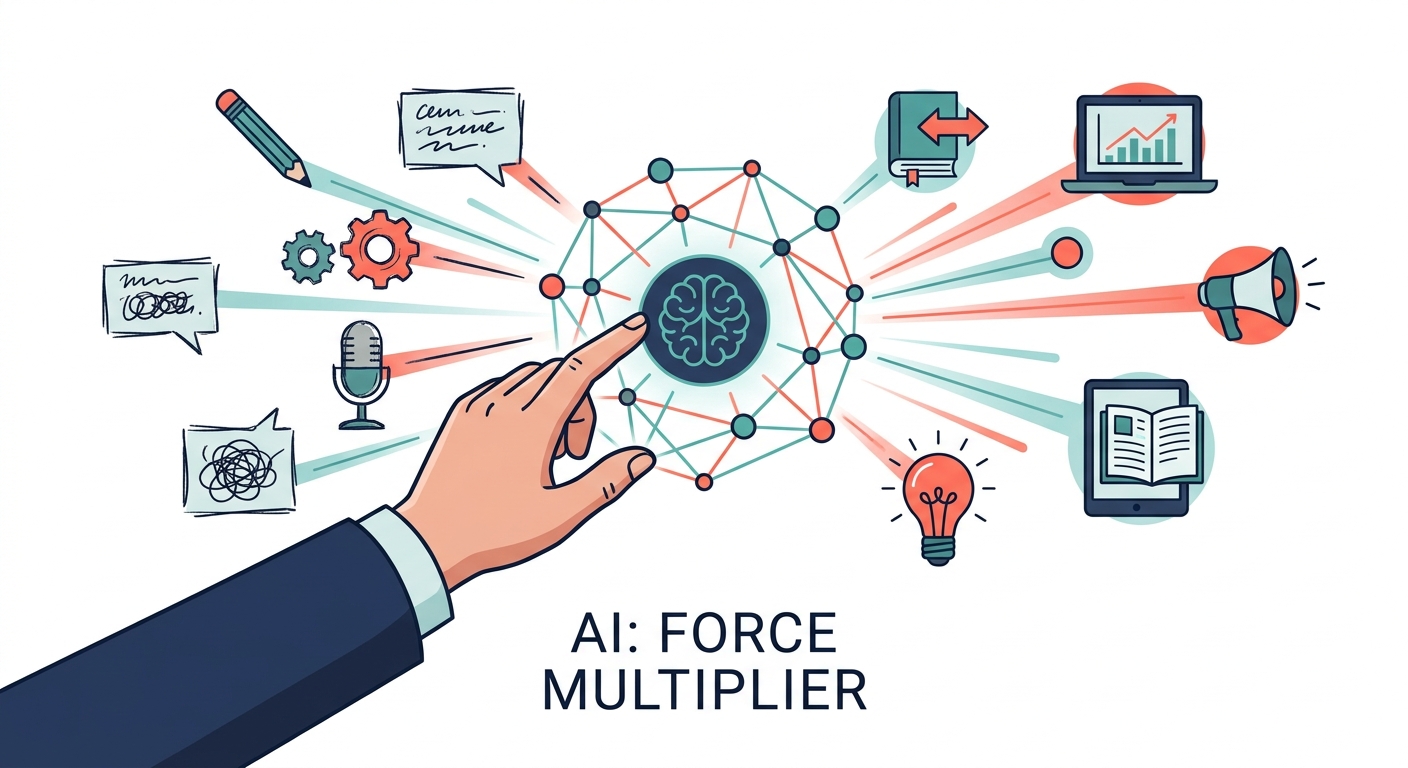
Content creation isn't writing anymore. It’s orchestration. If you’re still using AI as a "magic button" to spit out blog posts from start to finish, stop. Yo
Social9 schedules your posts on 11 networks, and Autopilot can draft them in your brand voice for you to approve. Start on the free plan.
We use strictly necessary cookies to run this site. With your permission, we also use analytics cookies to understand how the site is used. We never use advertising cookies. See our Cookie Policy.