How agencies manage 20+ client calendars without burning out
A playbook for agencies running 20+ client calendars: workspace setup, a capacity formula, a monthly cadence, approval SLAs, safe access and burnout rules.
Playbooks
How to scale a social media agency without hiring: productize services, standardize onboarding, use AI drafts, and automate approvals and reports. Social9 TeamProduct, content and engineering team at Social9Published Updated 5 min read
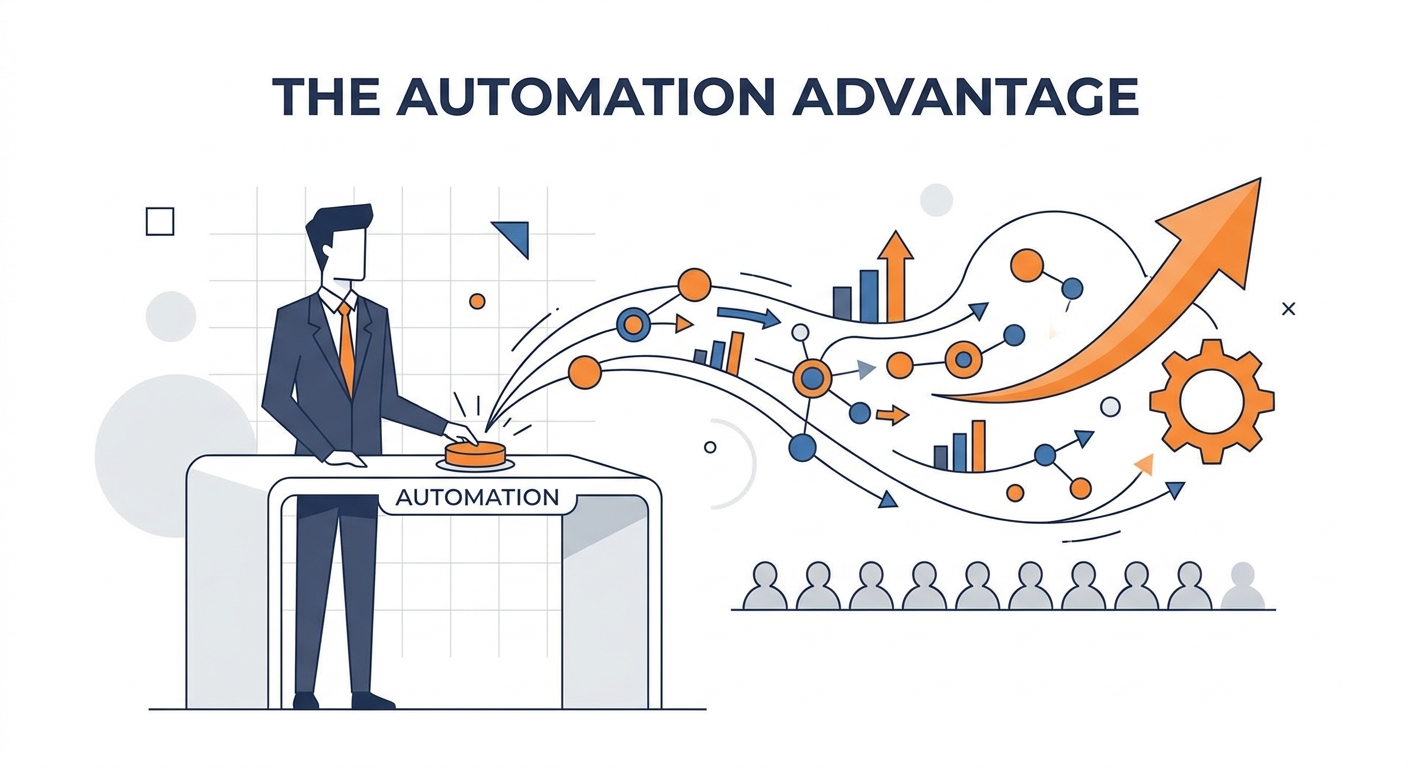
To scale a social media agency without adding headcount, you stop selling hours and start selling systems. Productize your services into fixed packages, standardize onboarding, let AI produce first drafts so writers become editors, move approvals and reporting into self-serve links, and measure capacity per account manager. Then hire only for bottlenecks that systems cannot fix, such as senior strategy or sales.
This guide covers the operating model, the specific workflows to systemize, and a 90-day plan to get there.
Most agencies grow the same way: land a client, hire an account manager; land another, hire a copywriter. Revenue grows, but costs grow with it, and margins stay flat or shrink.
The problems compound as the team grows:
The fix is not to stop hiring forever. It is to make each person's output depend on good systems rather than on how many hours they can work.
Custom scopes are the enemy of scale. If every client gets a different mix of networks, post counts and reports, nothing can be standardized.
Create two or three fixed packages instead. For example:
| Package | Networks | Posts per week | Engagement | Reporting |
|---|---|---|---|---|
| Starter | 2 | 3 | Business-hours replies | Monthly report link |
| Growth | 4 | 5 | Daily replies | Monthly report and call |
| Premium | 6 | 7+ | Daily replies and community building | Monthly report, quarterly strategy review |
Fixed packages let you build one workflow per package, price on value instead of hours, and know exactly how much capacity each new client uses.
Onboarding is where agencies lose days to back-and-forth emails. Turn it into a checklist that runs the same way every time:
Write it down once, template it, and every new client starts the same way.
Content production is usually the biggest time sink in a social media agency. AI changes the job: instead of writing every post from scratch, your team edits strong first drafts.
To make this work at agency quality:
Example editor pass on an AI draft (accounting firm, LinkedIn):
The editor turned a generic line into a specific, credible hook. The draft got them started; the expertise made it worth posting. (Keep client stories anonymized and approved.)
Chasing approvals is invisible work that eats hours. Replace email threads with an approval step inside your scheduler:
Our guide on how agencies manage client content calendars covers approval rhythms in more depth.
Monthly reports built by hand in slides are a classic hidden cost. Instead:
Our monthly social media reporting guide has a template.
You cannot scale what you do not measure. Track, per account manager:
When hours per client fall while retention holds, your systems are working. When one package keeps running over its hours, fix the package or reprice it.
Systems handle repetition. People should own:
Agencies that automate these lose clients. Agencies that automate everything around them win back the time to do them well.
Days 1 to 30: design
Days 31 to 60: pilot
Days 61 to 90: roll out
Social9's agency setup is built around this model: each client is a separate brand with its own brand profile and voice, the planner drafts a week or a month of posts per client, and Autopilot can hold every post for client approval. Guest review links and client reports come with the Team plan and up, and the Agency plan adds white-label reports and Client Connect. There are no per-seat fees; see pricing for current limits.
Scaling without headcount is not about working your team harder. It is about removing the repetitive work that makes every new client cost a new hire: custom scopes, manual onboarding, first drafts, approval chasing and hand-built reports. Systemize those, and your people can spend their time on strategy, creativity and relationships, which is what clients actually pay for.
It depends on the package, the number of networks and how much engagement and reporting each client needs, so there is no universal number. Measure it: track hours per client per month for a quarter. With productized packages, AI first drafts and self-serve approvals and reports, the same person can usually handle noticeably more accounts without quality slipping.
They notice generic posts, not AI itself. If AI drafts are built from a detailed brand profile per client and an editor adds specific details before approval, quality usually improves because editors spend their time on judgment rather than first drafts. Be open about your process if clients ask, and check contracts for any AI clauses.
Start with the work that repeats for every client and needs little judgment: onboarding tasks, first drafts of posts, scheduling, approval reminders and monthly reports. These usually free the most hours. Leave strategy, client relationships, crisis handling and community replies on sensitive topics with people.
Hire when a bottleneck is about judgment or relationships rather than repetitive work: senior strategy, sales, creative direction or a niche skill such as video. If your team is busy because of copy-pasting, chasing approvals or building reports by hand, fix the system before you add a salary.
A playbook for agencies running 20+ client calendars: workspace setup, a capacity formula, a monthly cadence, approval SLAs, safe access and burnout rules.

How to build a sustainable social media workflow: a six-stage loop, AI with human review, batching, fast approvals, a crisis pause plan and setups by team size.
How to scale social media workflows without losing the human touch: one calendar, AI drafts with approvals, platform-native versions and triaged replies.
Social9 schedules your posts on 11 networks, and Autopilot can draft them in your brand voice for you to approve. Start on the free plan.