Best times to post on each social network in 2026
When to post on Facebook, Instagram, LinkedIn, X, TikTok, YouTube, Pinterest and Threads in 2026, per Sprout, Buffer, Later and Hootsuite, plus a test plan.
Data & Studies
Stop vanity metrics. Learn how to conduct a high-impact social media audit to fix your brand voice, identify strategy gaps, and drive real revenue in 2026. Jessica ThompsonBrand Strategy & Community ExpertPublished 6 min read

A social media audit isn’t just a vanity project to see how many followers you’ve gained or how many hearts your latest post earned. Let’s be real: that’s just busywork. In 2026, an audit is a high-stakes intelligence operation. It’s the bridge between your creative brand voice and the cold, hard reality of your bottom line.
If you’re still obsessed with reach, you’re looking in the rearview mirror while the rest of the market speeds ahead. A true audit does the dirty work. It identifies exactly where your narrative is falling apart, why your audience is ghosting you, and which channels are actually putting money in the bank.
The era of "being everywhere" is dead. Trying to maintain a presence on every single platform is a recipe for burnout and mediocrity. Today, it’s all about conversion. If a channel isn’t driving traffic or revenue, it’s not an asset—it’s a liability.
Modern auditing has shifted because of AI-driven sentiment analysis. Human eyes are great, but they miss things. A person can’t read ten thousand comments to catch a growing undercurrent of apathy or subtle toxicity. AI-powered social listening tools can parse that noise in seconds, showing you whether your brand voice is actually landing or just annoying people.
We’re also seeing a massive trend toward "Platform Consolidation." Smart brands are pruning the dead weight, shutting down low-ROI accounts, and doubling down where the conversion path is shortest. For a deep dive into the metrics that actually matter today, take a look at this Social Media Audit Guide.
Before you open a single dashboard, stop. Define your goals. An audit without a goal is just data hoarding. Are you trying to improve lead quality? Shorten your sales cycle? Shift how the market perceives you? Your social strategy needs to be a direct extension of your Content Marketing Strategy. If a post isn’t moving a prospect further down the funnel, why are you paying to create it?
And don’t ignore the "Compliance Sweep." Regulators are watching how brands use data and AI. Your audit needs to verify GDPR compliance, ensure AI disclosure on automated content, and make sure your intellectual property is locked down tight.
To get results, you need a process that doesn't fall apart the moment things get complicated. Follow this workflow to move from raw inventory to a winning pivot.
graph TD
    A[1. Inventory] --> B[2. Performance Analysis]
    B --> C[3. Voice Consistency Check]
    C --> D[4. Gap Identification]
    D --> E[5. Strategy Pivot]

    style A fill:#f9f9f9,stroke:#333,stroke-width:2px
    style E fill:#e1f5fe,stroke:#0277bd,stroke-width:2px
Build a master spreadsheet. List every account. Note the handle, the last time you posted, and the specific purpose of that channel. You’ll inevitably find "ghost accounts"—profiles from 2021 that haven't seen a post in years. Delete them. Archive them. If a channel isn't serving a purpose, kill it.
Check your profile hygiene. Is your bio consistent? Does that link-in-bio lead to a high-converting landing page, or just a generic homepage? Your brand should sound like the same person, whether someone finds you on LinkedIn or TikTok. If it doesn't, you’ve got a problem.
This is where most brands trip over their own feet. You might sound like a stiff, soulless suit on LinkedIn while trying—and failing—to be "casual and relatable" on TikTok. It’s jarring. It destroys trust.
Create a "Voice Archetype" checklist. Do you use the same vocabulary? Do you handle complaints with the same empathy? If your voice flips like a light switch between apps, you don't have a brand voice; you have a brand identity crisis. Use social listening data to see how customers actually describe you. If they’re using words that don’t align with your mission, your voice is failing to land.
Stop throwing a party over "impressions." Impressions don’t pay the rent. You need to map social interactions to actual site traffic. Use UTM parameters on every single link. If you aren't using a unique tracking code for your Instagram bio versus your Twitter posts, you are flying blind. When you close the loop on social-to-site performance, you’ll quickly see which platforms are gold mines and which are just wasting your team’s time.
Content gaps happen when you’re talking about yourself while your customers are looking for solutions to their own problems. Use AI-Powered Content Tools to compare your top posts against current industry trends. Are you pushing product features when your audience is searching for help with industry-wide pain points?
Look for the "Missing Persona." You might be targeting the C-suite, but the person actually making the decision is a mid-level manager. If your content is too high-level, you lose them. If it’s too granular, you lose the buyer. Use your audit to see who is engaging—and, more importantly, who is not.
Forget obsessing over your competitors' follower counts. That’s a vanity metric. Instead, calculate your "Community Health" score. This is a blend of your sentiment ratio, response speed, and the quality of your engagement. Are people asking real questions in the comments, or are they just leaving generic emojis? High-quality engagement is the best indicator of long-term retention.
If you need a head start, there are plenty of Social Media Audit Templates that help visualize this data without the manual headache.
Data is just noise without a "Stop, Start, Continue" framework.
Finally, check your crisis readiness. If a PR firestorm hits, do you have response templates and community guidelines ready? If your team has to draft a response from scratch during a crisis, you’ve already lost.
Take a B2B SaaS company we worked with recently. Their LinkedIn was hyper-corporate and dry, resulting in a pathetic 0.2% click-through rate. The audit showed a massive voice gap: their audience didn't want professional jargon; they wanted technical transparency.
We shifted their tone to be "expert-led and candid." We started sharing "how-it-broke" stories instead of polished sales pitches. Within three months, their engagement tripled, and their conversion rate to free-trial signups jumped by 30%. They didn't change the product; they changed how they talked about it. It’s that simple. And that hard.
For high-growth brands, do it quarterly. It keeps you ahead of algorithm shifts and lets you pivot before you lose too much momentum.
"Tonal Dissonance" is the big one—sounding like a different company on every platform. Another is "Value Mismatch," where the content is entertaining but doesn't actually solve the problems your audience faces.
No. You can start with native platform analytics and a well-structured spreadsheet. Enterprise tools make it faster, but the actual strategy work—the "Stop, Start, Continue" decisions—has to come from your brain, not a machine.
Focus on their public footprint. Use social listening to track their sentiment, monitor how often they post, and keep an eye on which content themes get the most comments. If they’re killing it on a specific topic, that’s your signal to investigate that area.
Your audit must include a checklist for brand safety. Verify that all AI-generated content is clearly labeled, all influencer partnerships have the required disclosures, and you have a documented process for handling user data in accordance with current privacy laws.
When to post on Facebook, Instagram, LinkedIn, X, TikTok, YouTube, Pinterest and Threads in 2026, per Sprout, Buffer, Later and Hootsuite, plus a test plan.
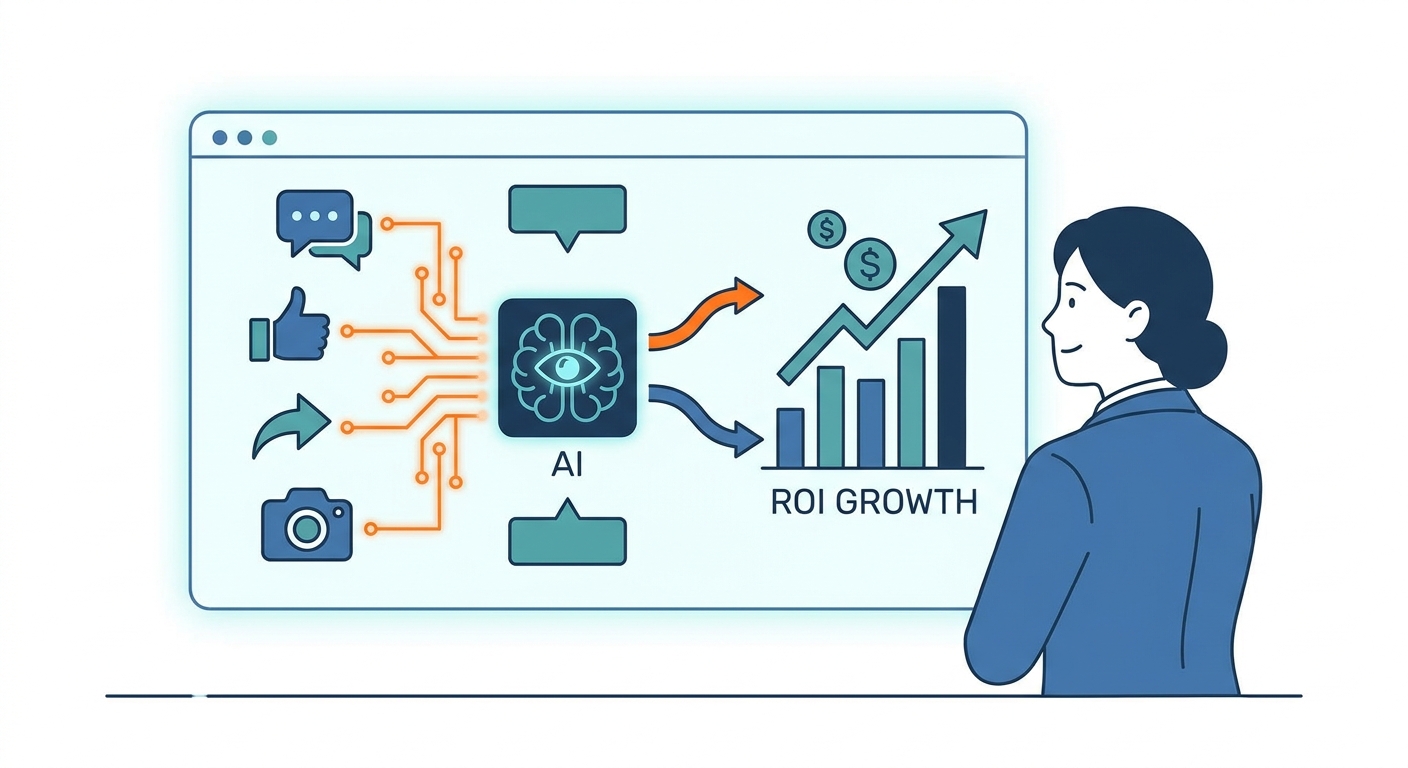
Stop tracking vanity metrics. Learn how AI-powered analytics tools shift social media ROI from descriptive reporting to predictive, real-time revenue growth.
Stop tracking vanity metrics. Learn how to conduct a modern social media competitor analysis using AI to identify market gaps and outperform your rivals.
Social9 schedules your posts on 11 networks, and Autopilot can draft them in your brand voice for you to approve. Start on the free plan.
We use strictly necessary cookies to run this site. With your permission, we also use analytics cookies to understand how the site is used. We never use advertising cookies. See our Cookie Policy.