How agencies manage 20+ client calendars without burning out
A playbook for agencies running 20+ client calendars: workspace setup, a capacity formula, a monthly cadence, approval SLAs, safe access and burnout rules.
Playbooks
Stop sounding like AI. Learn how to define your brand voice, build a personality matrix, and use the 'Spectrum Model' to stand out on social media in 2026. Jessica ThompsonBrand Strategy & Community ExpertPublished 5 min read
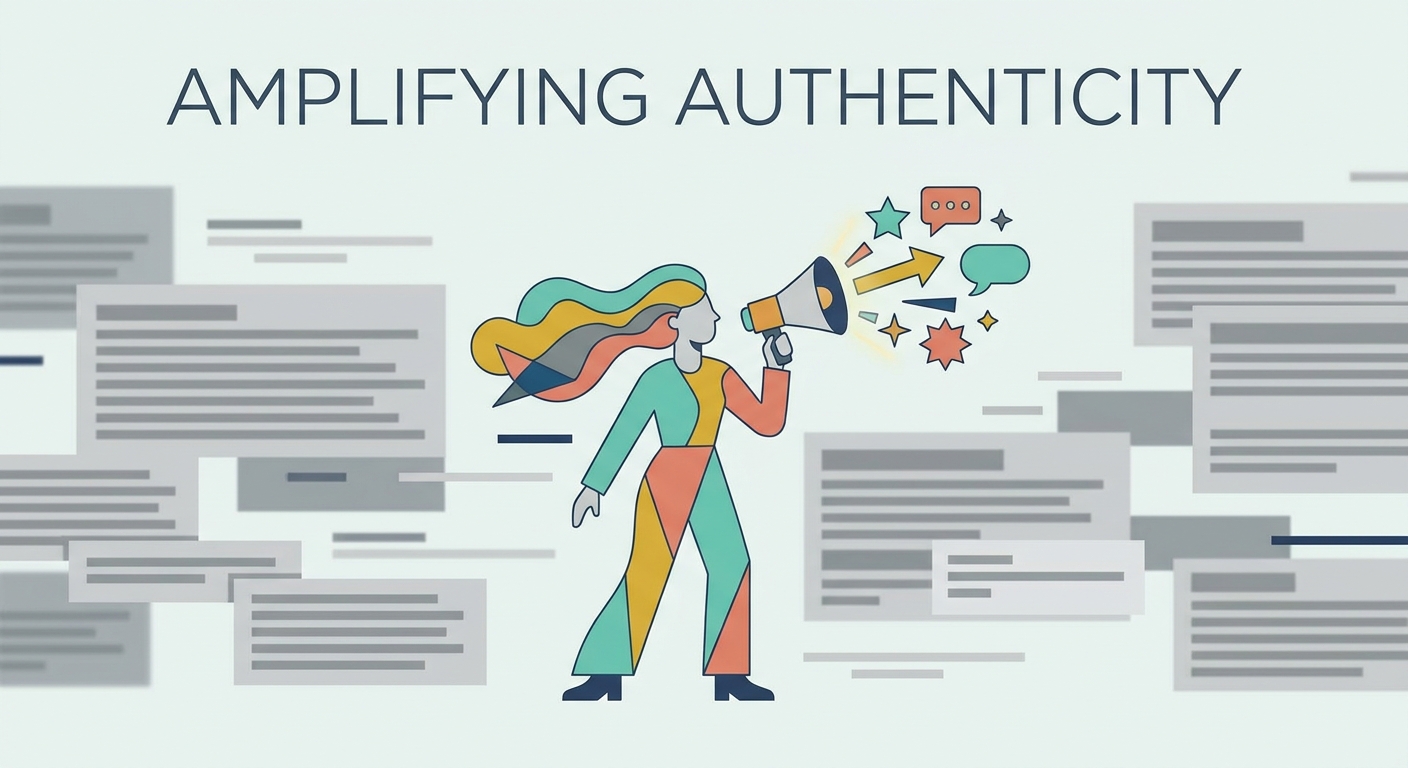
It’s 2026. If your brand doesn’t sound like a real person, you’re invisible.
The internet is currently drowning in a sea of synthetic, AI-generated sludge. You know the type: it’s bland, it’s overly polite, and it reads like a press release for a company that doesn’t actually exist. In this climate, having a distinct personality isn't just a "nice-to-have"—it is your only real competitive advantage.
When your messaging hits the same note every time, you build "Trust Currency." People stop scrolling because they recognize you. They trust you. In fact, brands that actually sound like themselves see up to 90% higher customer retention. If your feed looks like everyone else’s, stop treating your brand guidelines like a dusty, static PDF. They need to be a living, breathing strategic asset.
Before you try to scale, make sure your foundation isn't rotting. Give The Complete Guide to Social Media Management a read to ensure your strategy is actually airtight.
Most marketing teams treat these as synonyms. They’re wrong.
Your Voice is your brand’s DNA. It’s the static, unchanging core of who you are. Whether you’re the "Rebel" or the "Expert," that identity doesn't shift just because you moved from a blog post to a tweet.
Tone, on the other hand, is your emotional reaction to a specific moment. You might be the "Expert," but your tone changes when you’re announcing a product recall (serious, empathetic) versus celebrating a company milestone (excited, energetic).
Stop trying to force rigid, one-size-fits-all rules on your team. Instead, adopt a "Spectrum Model." Give your writers the guardrails, but let them flex their style depending on where they’re posting.
graph LR
    subgraph Spectrum [Tone Spectrum]
    A[Formal/Professional] --- B[Neutral/Informative] --- C[Casual/Conversational]
    end

    style A fill:#f9f9f9,stroke:#333
    style B fill:#e1f5fe,stroke:#0277bd
    style C fill:#fff3e0,stroke:#ef6c00

    LinkedIn[LinkedIn Strategy] -.-> A
    Newsletter[Company Updates] -.-> B
    TikTok[TikTok/Reels] -.-> C
You can’t communicate if you don’t know who you are. Pick 3-5 core traits. Are you the "Rebel" shaking up the status quo? The "Expert" providing the deep, nerdy analysis? Or the "Best Friend" holding the customer’s hand through their daily headaches?
Don't brainstorm in a vacuum. Look at your history. Audit your top 20 highest-performing posts from last year. What did they have in common? Were they funny? Punchy? Did they take a contrarian stance? That’s your "accidental" voice—the one that actually resonated with people. That’s your starting point. If you’re struggling to pull these threads together, Our Brand Strategy Services can help you turn those intangible vibes into a repeatable framework.
We’re living through an era of AI homogenization. If you prompt an LLM to "write a post about X," you’re going to get the same robotic, adjective-heavy drivel that every other brand is publishing.
To fix this, stop being lazy with your prompts. You need "AI Guardrails."
Build a style guide for your LLMs. Don't just ask for a post—feed the AI your "Voice Matrix." Explicitly tell the tool what to avoid. Ban corporate jargon. Ban the passive voice. Practical prompt engineering is the difference between a bot that sounds like a brochure and a bot that sounds like your best copywriter. For a deeper look at how to handle this without losing your soul, check out Cloud Campaign: AI Brand Guidelines.
Your guidelines shouldn't be a 50-page manifesto. It should be a cheat sheet that an intern—or an AI—can pick up and use in five minutes.
In a remote-first world, your brand voice is prone to "drift." One employee leans into a professional tone, another goes full-on meme-lord, and suddenly, your audience has no idea who you are.
Appoint a "Brand Librarian." This is the stakeholder who has the final say on content. They aren't there to stifle creativity; they’re there to make sure the "Rulebook" is actually being followed. For more on managing this, look at Hootsuite: Social Media Brand Voice Examples to see how the big players handle scale, and check out this Mailchimp: Social Media Policy Guide to keep your legal team happy.
Keep this checklist nearby. If you follow it, you won't sound like a robot.
Before you hit "Publish," ask yourself: "Does this sound like a human being who actually cares, or does this sound like a marketing engine trying to sell me something?"
If it’s the latter, cut the fluff and start over.
Brand voice is your permanent personality—the "who" of your brand. Tone is the "how"—it is the situational adjustment of that personality to match the platform, the audience, or the context of a specific message.
Create a custom "Brand Bible" for your AI tools. Include specific instructions on forbidden vocabulary, sentence structure preferences, and examples of "correct" vs "incorrect" posts to train the model to mirror your specific style.
Guidelines should be treated as living documents. Review them quarterly, or immediately following any major brand pivot, product launch, or change in your target demographic.
A centralized style guide acts as the great equalizer. By defining the "rules of the road" regarding punctuation, tone, and vocabulary, you provide a framework that allows for individual creativity while ensuring everyone stays within the lane of the brand’s core identity.
During a crisis, your voice must remain consistent in its values, even if the tone shifts drastically. Shift your tone to be transparent, empathetic, and direct. Avoid corporate deflection; honesty is the only way to protect your long-term brand equity.
A playbook for agencies running 20+ client calendars: workspace setup, a capacity formula, a monthly cadence, approval SLAs, safe access and burnout rules.
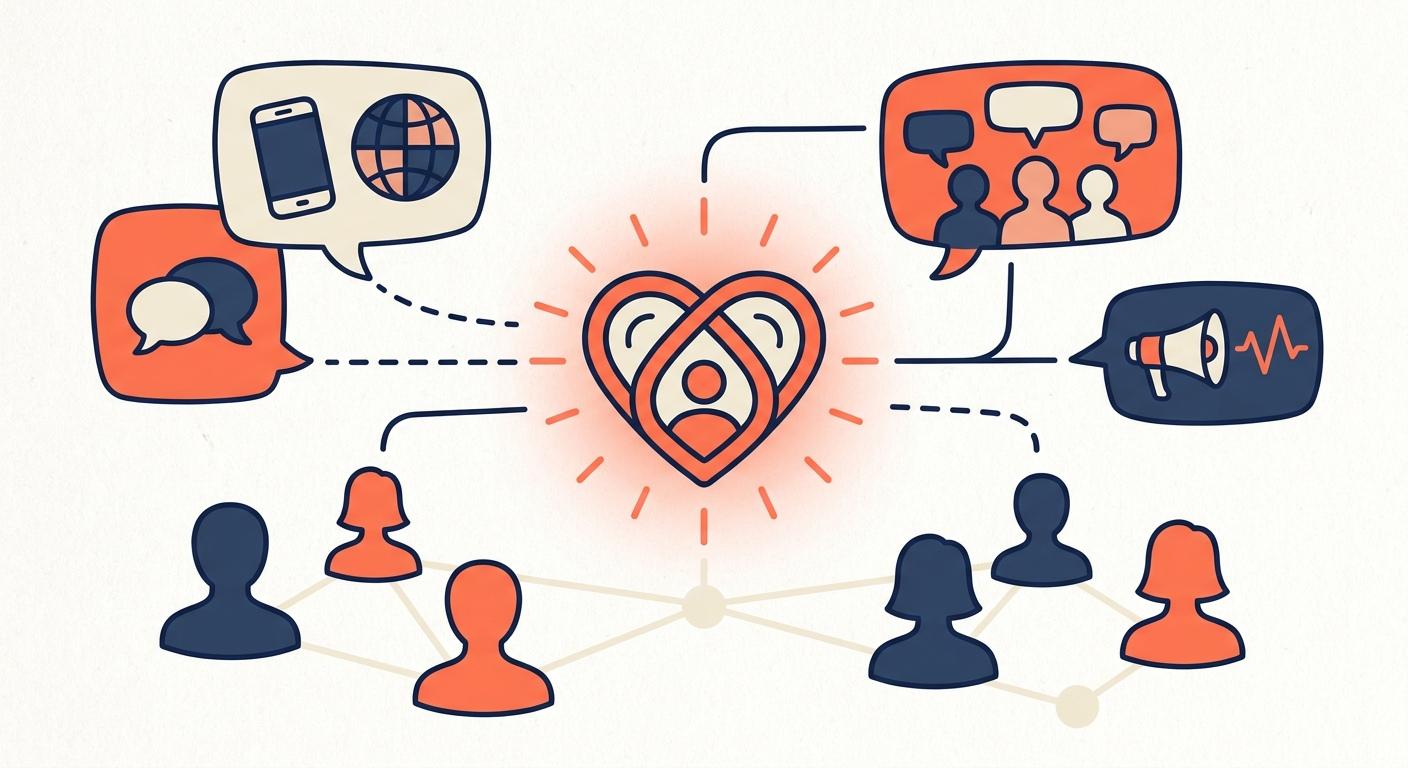
Stop the noise. Learn how to use human-centric brand storytelling frameworks to build authentic social media loyalty and cut through the Inattention Economy.
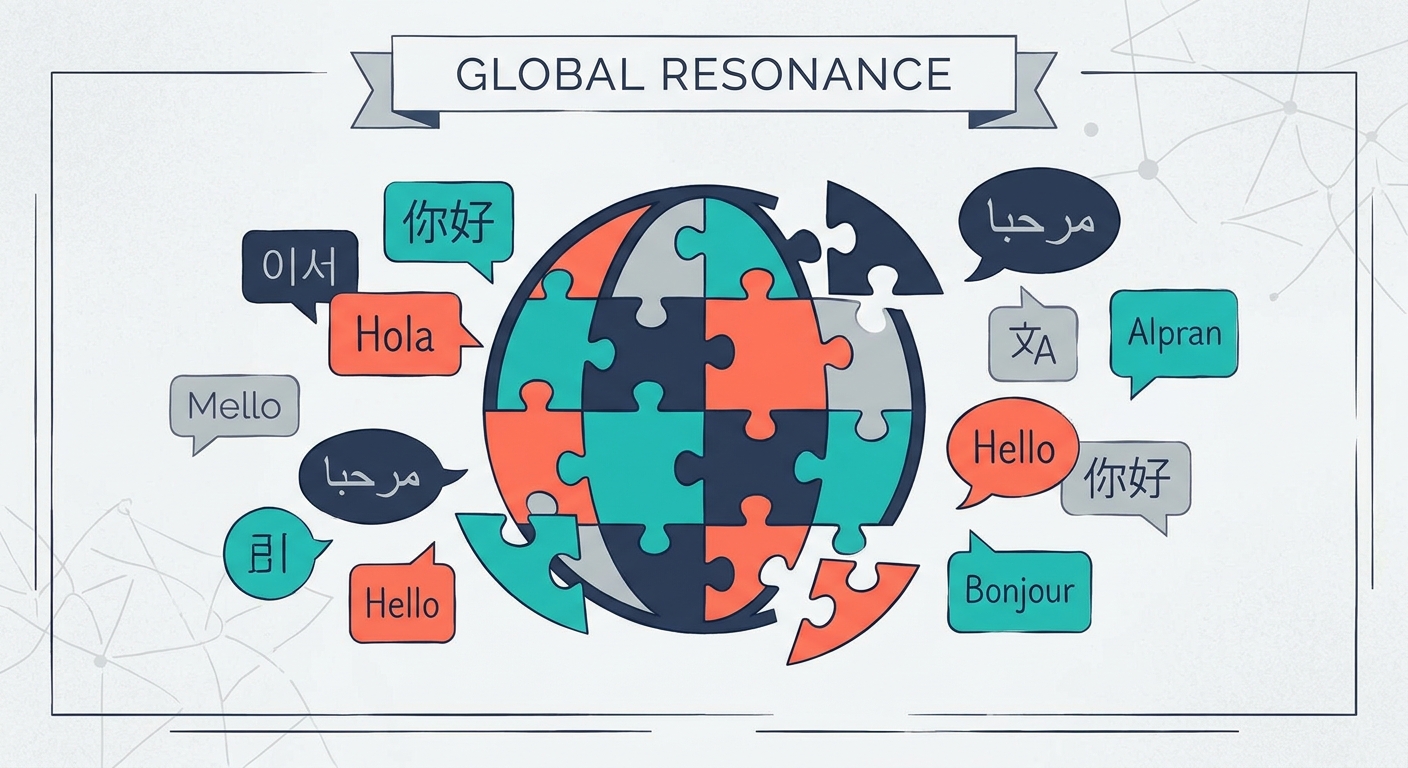
Stop translating and start localizing. Learn how to adapt your social media strategy for global markets without losing your brand voice or meaning.
Social9 schedules your posts on 11 networks, and Autopilot can draft them in your brand voice for you to approve. Start on the free plan.
We use strictly necessary cookies to run this site. With your permission, we also use analytics cookies to understand how the site is used. We never use advertising cookies. See our Cookie Policy.