Social Media Planning Calendar: How to Organize Your Content Strategy for Maximum ROI

TL;DR
- ✓ Transform your social media calendar from a simple chore into a revenue-generating strategic roadmap.
- ✓ Adopt a brand-first approach to cut through noise instead of chasing fleeting algorithm trends.
- ✓ Standardize your content workflow with defined pillars, personas, and clear approval stages for efficiency.
- ✓ Audit past performance to identify high-intent metrics that drive real conversions and business growth.
If you’re still treating your social media calendar like a glorified digital To-Do list, you’re losing money. Plain and simple. Most brands use their calendar to make sure they don’t forget to post. That’s not a strategy; that’s a chore.
An elite social media calendar isn’t about just showing up. It’s a roadmap. It links your daily posts to your quarterly growth, your customer acquisition, and the kind of community loyalty that actually moves the needle. If you want to stop chasing the algorithm and start building a predictable revenue engine, you need to stop the "post-and-pray" madness.
Why Your Strategy Needs a "Brand-First" Reality Check
The algorithm-chasing era? It’s hitting a wall. In 2026, the only currency that matters is trust. According to the Hootsuite 2026 Social Trends Report, the winners aren't the ones who jump on every viral audio trend—they’re the ones who build actual value.
When you live and die by the algorithm, you’re just a servant to a platform’s whims. You’re chasing shadows. A "Brand-First" approach flips the script. You map your content to your unique value proposition, not the latest meme. Your calendar becomes an anchor. It keeps you grounded in who you are, even when the internet is losing its mind over a new trend.
This doesn’t mean you act like a dinosaur. It means you filter popular formats through your brand’s expertise. You aren't just adding to the noise; you're cutting through it.
The Anatomy of a High-ROI Calendar
A real calendar is a system of record. It needs to hold more than just a date and a caption. If you want to see ROI, you need to build in fields that force strategic thinking: Pillar Category, Content Format, Target Persona, KPI, Asset Status, and a clear Approval Workflow.
Think of your content lifecycle as a machine. It moves from raw idea to polished asset without the typical "Wait, who is doing this?" friction.
Standardizing these fields turns your planning into a data-collection goldmine. When you know exactly who you’re talking to and what move you want them to make, you stop guessing why a campaign hit or missed.
Audit Before You Plan
Before you drop a single post into your new calendar, look in the rearview mirror. You can't chart a course if you don't know where you’ve already been. If you haven't checked your pulse lately, read our guide on How to Conduct a Social Media Audit to find your baseline.
Hunt for "Content Gold." Look for those posts from the last year that outperformed everything else. Forget about "likes"—look for saves, shares, and link clicks. These are your high-intent metrics. Identify the themes that actually resonated and the formats that drove conversions. When you double down on what’s already proven to work, you aren't just filling space. You’re playing to win.
The Hybrid Calendar: Mastering the 80/20 Rule
The biggest killer of a great calendar is sterility. If every single post is scripted, polished, and scheduled three weeks out, you’ll sound like a robot. You’ll lose that human spark that makes social media, well, social.
Enter the 80/20 rule.
Allocate 80% of your calendar to "Pillar Content"—the high-production, strategic assets that hit your core business goals. Then, leave 20% for "Chaos Culture." These are the reactive, unscripted, "in the moment" posts that show you’re actually alive. As the AMA Social Media Strategy Guide points out, you need that balance. Too rigid? You’re boring. Too loose? You’re lost. 80% is for the business; 20% is for the human connection.
AI: The Force Multiplier (With a Human Soul)
AI is a superpower if you know how to wield it. Use it for the grunt work: predictive scheduling, drafting initial captions, or brainstorming angles. But for the love of your brand, don't let it hit "publish" for you.
Here’s the golden workflow:
- Prompting: Feed your brand voice guidelines into the AI.
- Refinement: A human editor (that’s you) injects the nuance, the humor, and the "real talk" that AI consistently misses.
- Validation: Check it against current market vibes.
- Approval: A final check to make sure it’s strategically sound.
Speed is great, but not at the expense of your soul.
Turning the Calendar into Profit
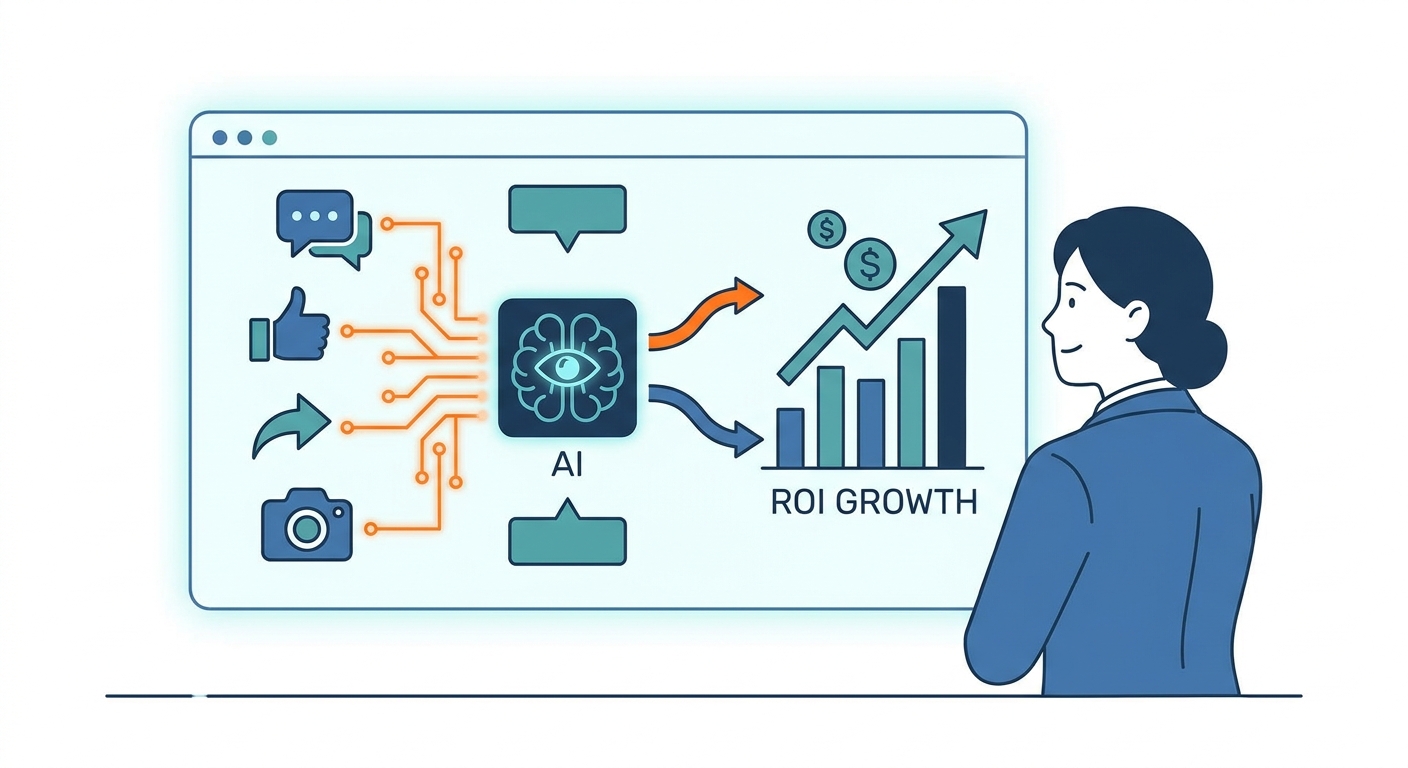
A calendar isn't meant to keep you busy. It’s meant to keep you profitable. Stop obsessing over "vanity metrics" and start tracking lead generation and customer retention. If you aren't sure how to connect your posts to your bank account, use our Content Marketing ROI Calculator to bridge that gap.
Align your social "beats" with your business calendar. If you have a massive product launch in Q3, your social calendar should be building anticipation in Q2. As noted in the Forrester Total Economic Impact of Social Tools, when your social team is in lockstep with Sales and Marketing, your content stops being "fluff" and starts being a sales enablement tool.
Scaling Without Burning Out: The Repurposing Matrix
You should never create a piece of content that only lives once. If you write a whitepaper, that’s not just a PDF—that’s a month of social fodder. Use a matrix to visualize how one "Pillar Piece" fuels your entire ecosystem.
By breaking down a single high-level asset into these granular pieces, you ensure your message hits home across every channel without your team having to reinvent the wheel every single morning.
Tools of the Trade
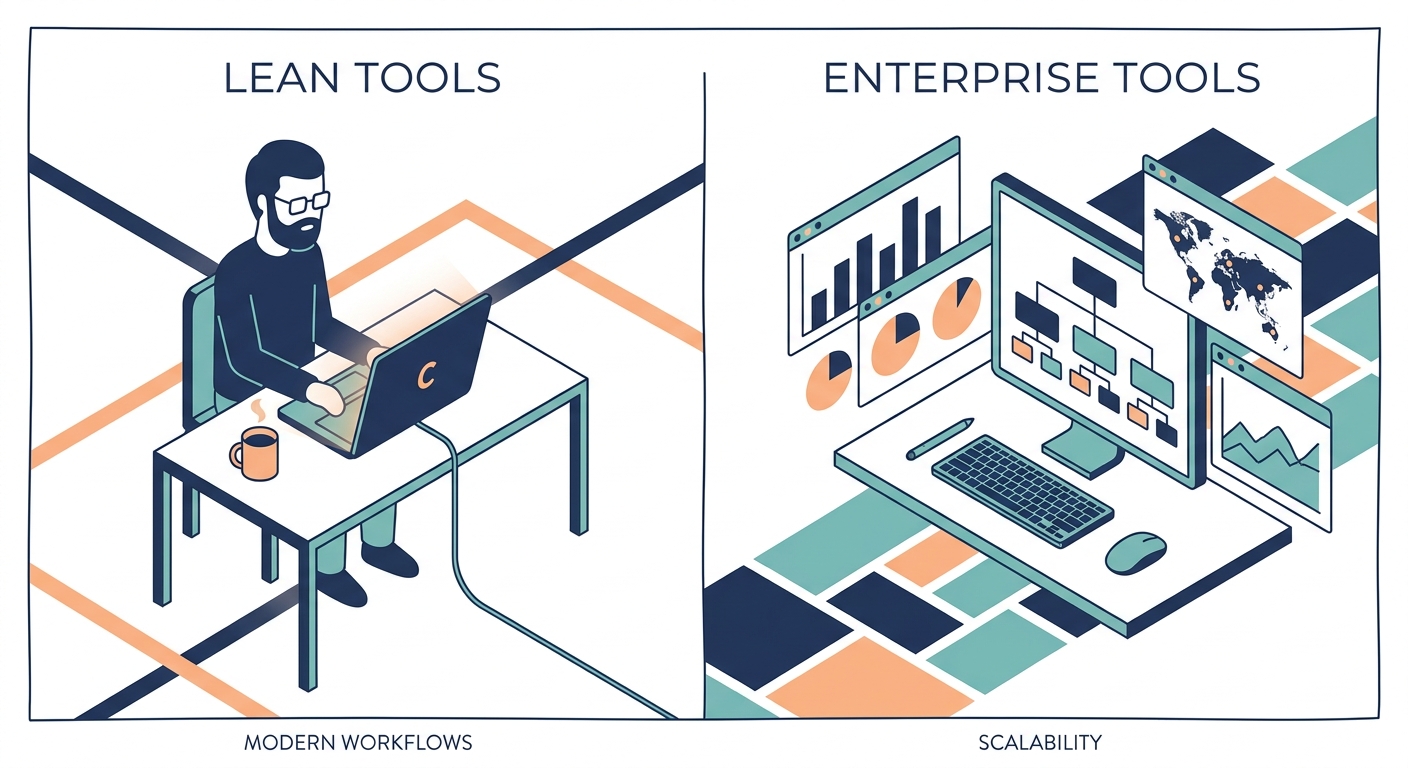
Start with a spreadsheet. It’s free, it’s flexible, and it’s perfect for getting the rhythm right. But once your team grows and the volume spikes, you’ll hit a wall. That’s when you graduate to a dedicated scheduling tool.
You need a platform that offers cross-departmental visibility—where the Sales team can see what’s coming and PR can flag issues before they blow up. And please, find a tool with a "Pause All" feature. In a chaotic news cycle, being able to kill all scheduled content with one click isn't just a feature—it’s brand insurance.
Frequently Asked Questions
How far in advance should I plan my social media content?
Plan your core Pillar Content 2–4 weeks out. Keep that 20% buffer open for real-time, reactive content. It keeps you relevant and, more importantly, human.
Should I use a spreadsheet or a dedicated scheduling tool?
Start with a spreadsheet to find your voice and strategy. Once you're scaling and collaborating with a team, move to a SaaS platform to handle the heavy lifting of automation and analytics.
How do I measure ROI from a social media calendar?
Track conversions. Use UTM parameters to see exactly which post led to a specific sign-up or sale. If you’re only measuring "likes," you’re missing the point of the entire operation.
How do I keep my content "authentic" when using a calendar?
Use the calendar as a framework, not a cage. Plan your beats, but leave room for the spontaneous stuff. Authenticity lives in the gaps between your scheduled posts.
What happens if I need to change my calendar due to a crisis?
Every professional calendar needs a "Crisis Protocol." This is your pre-approved plan for pausing everything instantly. If the world catches fire, you need to be able to stop your feed immediately to avoid looking tone-deaf.