Social Media Competitor Analysis Tools: How to Outperform Your Rivals in 2026

TL;DR
- ✓ Abandon vanity metrics for proactive AI-driven competitive intelligence strategies.
- ✓ Map digital footprints to see how social media influences your broader funnel.
- ✓ Use predictive forecasting to identify market trends before they reach the mainstream.
- ✓ Monitor rival vulnerabilities to capture audience share during their service failures.
- ✓ Prioritize cross-channel integration tools over single-platform social media monitoring software.
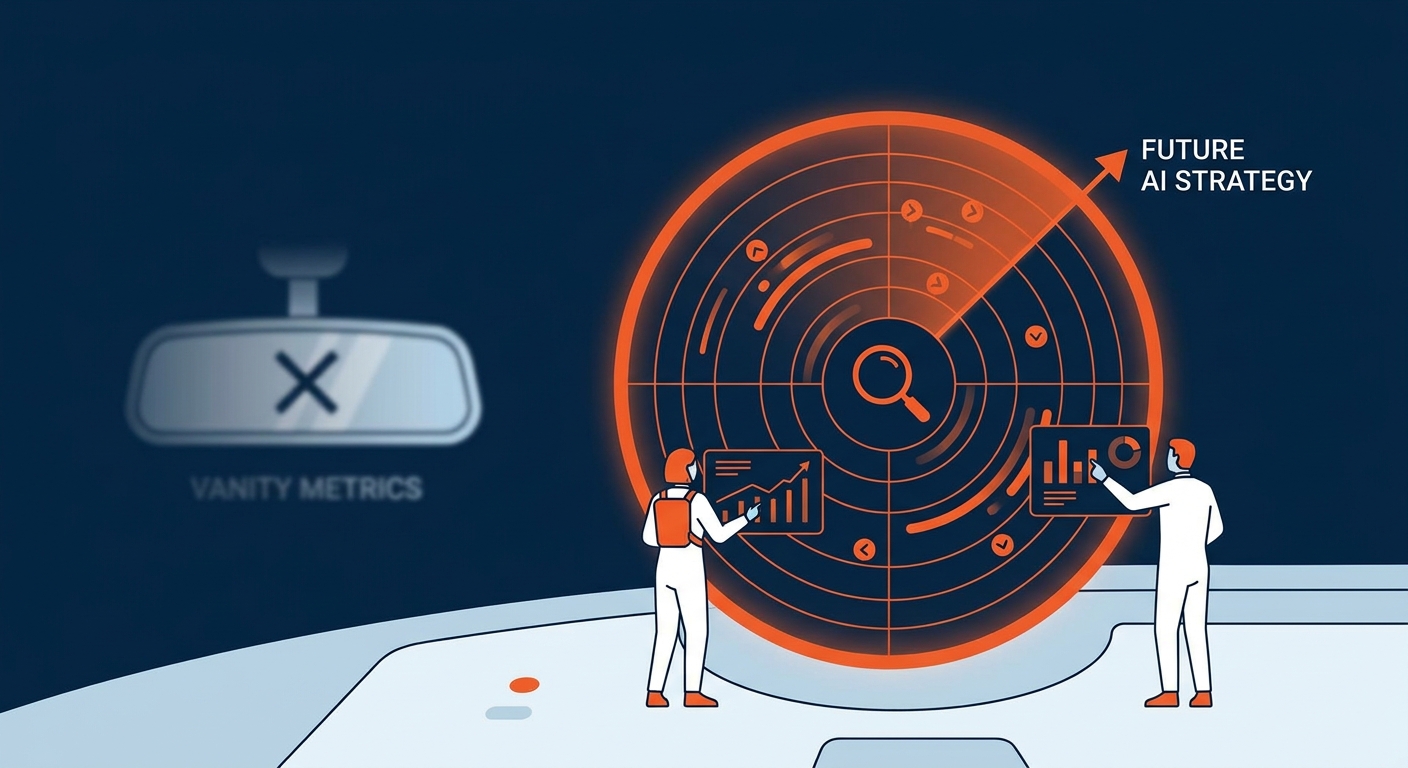
If you’re still obsessing over your competitors’ follower counts in 2026, you’re basically driving a Ferrari while staring exclusively at the rearview mirror. You’re going to crash.
Forget vanity metrics. They’re dead. Modern competitive intelligence isn't about what your rivals did last month; it’s about predicting what they’re going to do next Tuesday. We’re moving away from passive observation and into a world of proactive, AI-driven strategy. If your social signals aren't talking to your broader digital footprint, you’re just making noise.
Why Traditional Benchmarking is a Waste of Time
Manual spreadsheets? "Like-per-post" reporting? Please. That stuff is history. Traditional benchmarking is inherently reactive—by the time you realize a rival had a successful campaign, they’ve already captured the market share you were eyeing. In today’s high-velocity digital economy, that lag time is a death sentence.
The biggest hurdle for most marketing teams is the "Garbage In, Garbage Out" trap. You can dump thousands into the most expensive software on the planet, but without a foundational Content Strategy Framework, you’re just hoarding digital clutter. Data without a human brain guiding the strategy is useless. You don't need more data; you need a clearer lens to see how that data dictates your next move.
The Modern Competitor Analysis Framework
To actually gain an edge, you have to stop treating social media like an island. You need to synchronize your intelligence across five specific layers.
- Digital Footprint Mapping: Stop looking at social in a vacuum. Connect the dots: how does that top-performing Instagram Reel actually feed into their paid search landing pages?
- Predictive Trend Forecasting: Use AI to spot content themes that are gaining traction before they hit the mainstream.
- Sentiment & Intent Analysis: Learn the difference between "noise" engagement (like a giveaway that draws in freebie seekers) and "intent" engagement (users who are actually ready to buy).
- Vulnerability Scanning: Monitor your rivals in real-time. When they have a PR headache or a customer service implosion, that is your window to step in and scoop up their disillusioned audience.
- Automated Benchmarking: Stop comparing yourself to static lists. Compare your performance against dynamic peer groups that actually matter.
The Toolkit: Cutting Through the Noise
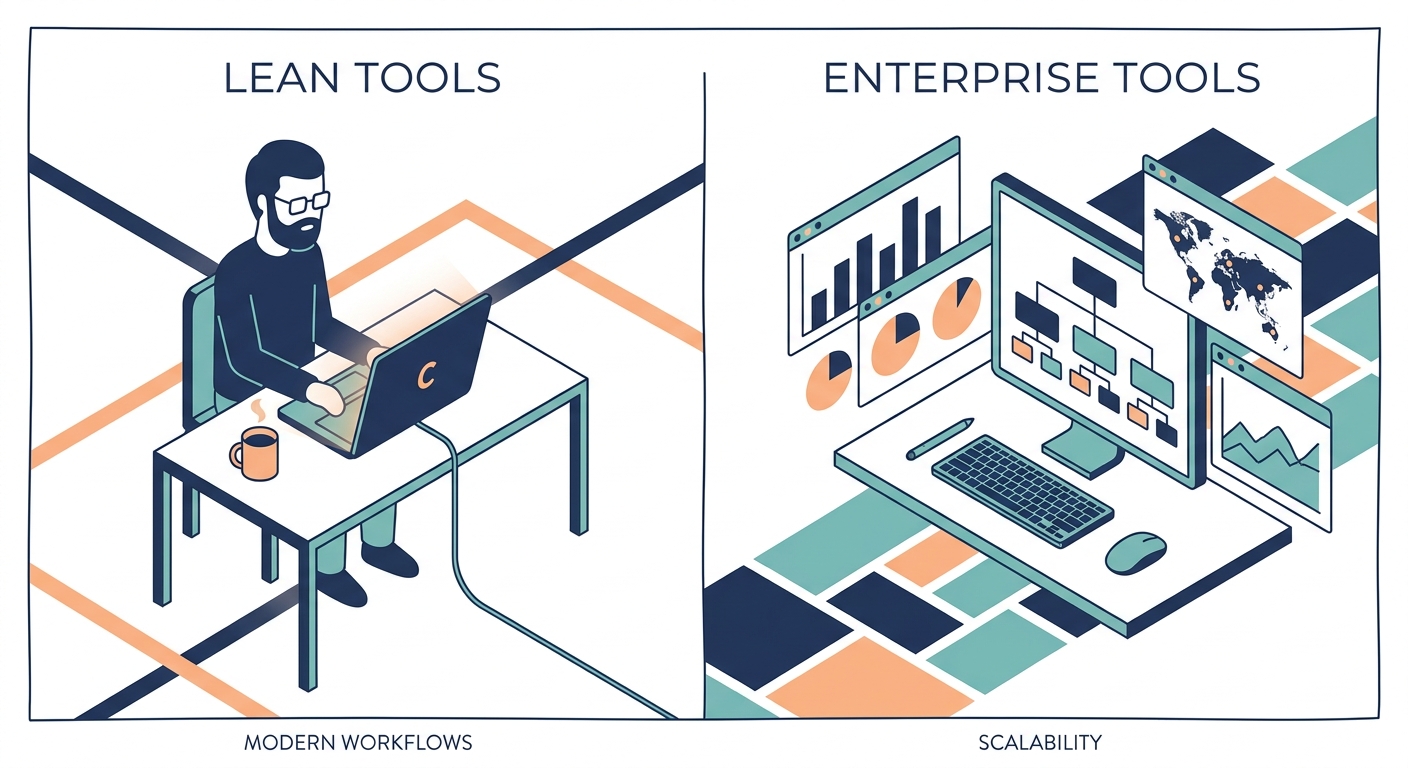
The software market is flooded with junk. You need high-signal intelligence. When you’re shopping for enterprise-level benchmarking solutions, prioritize platforms that offer cross-channel integration. If it only tracks social, it’s not enough.
Then there are the AI disruptors. These tools are changing the game by analyzing the "hook" in the first three seconds of a competitor’s video, giving you the structural blueprint to adapt that narrative to your own brand voice.
Don't have an enterprise budget? Don't sweat it. Sometimes a combination of native analytics and affordable competitor research tools is all you need. The tool isn't the magic; your brain is.
Turning Raw Data Into a Narrative
Data is just a pile of numbers until you turn it into a story. When you deconstruct a competitor’s winning video, look past the views. Ask: What was the emotional trigger in the first three seconds? What problem were they solving? Once you have the answer, you can integrate AI into your workflow to spin those findings into something uniquely yours.
The AI Prompt Library
Export your competitor’s performance data into a CSV and use these prompts to squeeze out actual strategy:
- The Content Gap Prompt: "Analyze this CSV of competitor post performance. Identify the top 3 content clusters where they receive high engagement but low brand-specific sentiment. Suggest three 'anti-trend' content ideas that solve the same user problem in a more human-centric way."
- The Hook Deconstruction Prompt: "Look at the 10 posts with the highest engagement in this data. Deconstruct the hook, the core value proposition, and the call-to-action. Create a table comparing these stylistic elements to my current content strategy."
- The Vulnerability Scan Prompt: "Analyze these comments and engagement trends to identify a recurring customer complaint or pain point that my competitors are failing to address. Suggest a content angle that highlights my brand as the solution to this specific frustration."
Are You Tracking the Right Metrics?
If your dashboard is all about "Likes," you’re playing a losing game. In 2026, the only metrics that pay the bills are Share of Voice (SOV) and Intent-to-Purchase. You need to know exactly how much of the conversation you own compared to your rivals. Need help getting started? You can download a practical competitor analysis template to get your team on the same page.
Tailoring the Audit: E-commerce, SaaS, and B2B
One size does not fit all.
- For E-commerce: Focus on "Conversion Pathing." How exactly does a social post lead a user to checkout? Find the friction, then remove it from your own funnel.
- For B2B: Focus on "Thought Leadership Indexing." Ignore the viral trends. Look at their whitepapers and LinkedIn deep-dives. Find the gaps in their expertise and plant your flag there.
The Future: Automated Adaptation
We’re heading toward a future of "Automated Content Adaptation." Soon, your tools won’t just report on what your rivals are doing; they’ll draft your counter-content for you. The winners in 2026 are the ones who treat competitive intel as a daily habit, not a monthly chore buried in a forgotten folder.
Frequently Asked Questions
How often should I conduct a social media competitor analysis?
Conduct a deep-dive audit once a quarter to assess broader strategy shifts. However, keep a "pulse check" dashboard that tracks daily performance and viral spikes, allowing for weekly adjustments to your content calendar.
Are free social media competitor analysis tools enough to stay competitive in 2026?
Free tools are excellent for tracking basic engagement and follower growth. However, if you are scaling, you will eventually hit a wall. Enterprise tools are necessary for predictive AI, cross-channel data correlation, and advanced sentiment analysis.
What is the most important metric to track when analyzing competitors?
"Share of Voice" (SOV) and "Intent-to-Purchase" metrics. These show you who is actually owning the conversation and who is effectively driving their audience toward a transaction rather than just a double-tap.
How do I analyze a competitor on a platform where I don't have an account?
Use third-party social listening platforms. These tools aggregate public data from across the web, allowing you to monitor a competitor’s reach and sentiment even if you aren't active on the specific platform they are using.
What is a "vulnerability scan" in the context of social media intelligence?
A vulnerability scan involves monitoring a competitor’s comment sections and social sentiment for signs of customer frustration, PR issues, or product failures. When you spot a spike in negative sentiment, it creates a window for you to step in with content that addresses those specific pain points.