What is social media autopilot? How AI posting works (and where to keep a human)
Social media autopilot uses AI to plan, draft, schedule and publish posts. Learn how the loop works, platform AI rules, and where a human must stay in charge.
Autopilot & AI
Stop using ChatGPT as a ghostwriter. Learn how to use AI as a strategic partner to sharpen your brand voice and build a human-first social media workflow. Alex ChenAI Content StrategistPublished 6 min read
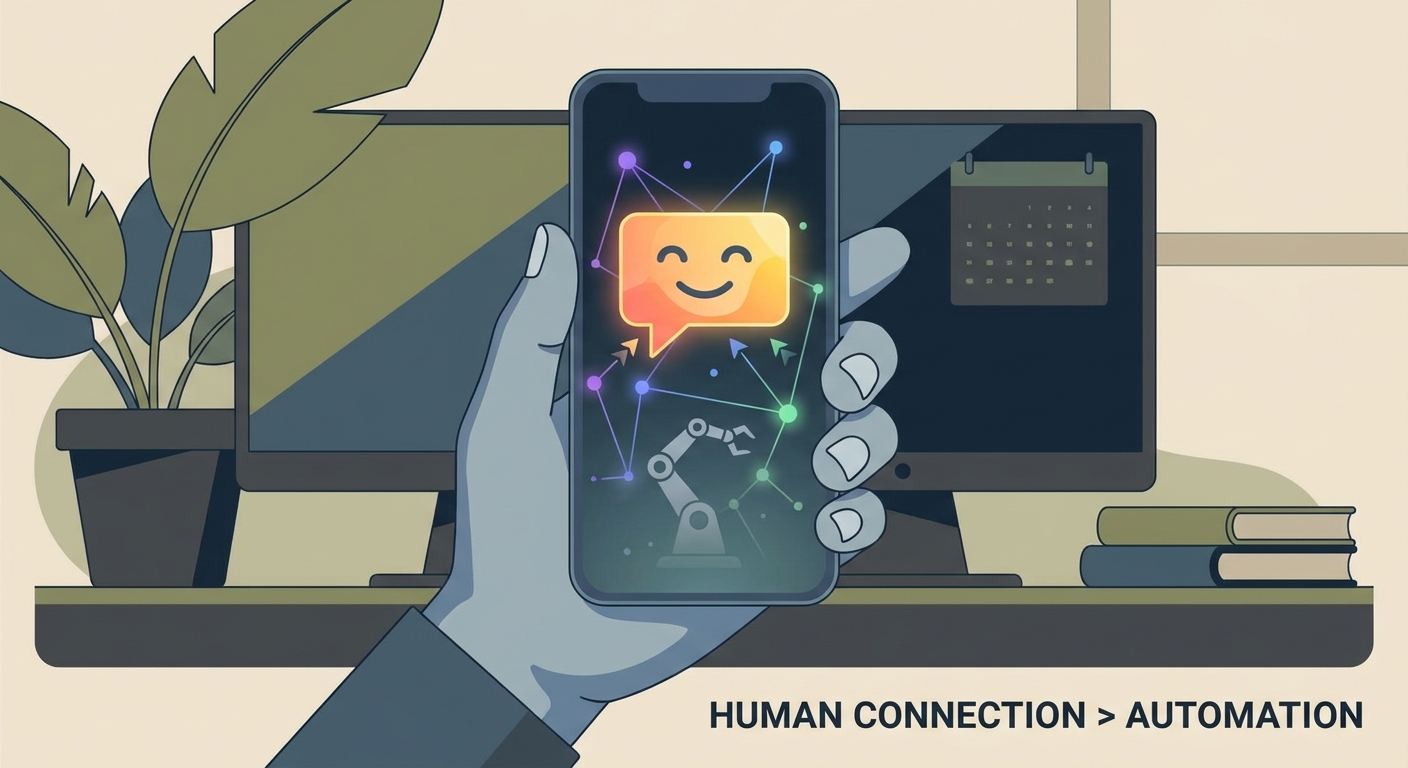
If you’re still using ChatGPT to "write your social media," you’re already behind the curve. By 2026, the novelty of hitting "generate" and praying for engagement has curdled into a distinct brand of digital fatigue. Audiences have developed a sixth sense for the hollow, rhythmic cadence of AI-generated copy. They don’t want more content; they want more connection.
The true power of ChatGPT in 2026 isn't found in its ability to churn out volume—it’s in its capacity to serve as a high-speed, tireless research and strategy partner. According to the HubSpot Social Media Trends Report, 75% of marketers now use AI in their daily operations, but the winners aren't the ones automating their voice; they are the ones using AI to sharpen their perspective.
To master the machine, you must first stop treating it like a ghostwriter and start treating it like a brilliant, slightly unhinged junior researcher with a photographic memory.
Think of ChatGPT as the "Brain"—the engine that organizes, repurposes, and refines—while your human team acts as the "Hand," the force that applies the nuance, the humor, and the gut-check. ChatGPT excels at the heavy lifting: turning a dense 2,000-word white paper into a punchy Twitter thread, identifying potential counter-arguments for a LinkedIn post, or brainstorming 50 variations of a hook for a short-form video.
However, the machine has hard limits. It cannot smell a cultural shift. It cannot understand the specific, chaotic energy of a Tuesday morning in your niche industry. It cannot empathize with a customer in crisis. Most dangerously, it is prone to hallucinating facts if you don't keep it on a tight leash. If you rely on AI to monitor trends, you will be reporting on "news" that happened three months ago. Your brand’s soul—your specific, weird, imperfect human experience—is the one thing you cannot outsource.
Moving from "prompting" to "publishing" requires a structural shift in how your team operates. You need an assembly line where the AI handles the structure, but the human handles the impact.
graph LR
    A[Data Input: Brand Guidelines] --> B[ChatGPT: Drafting]
    B --> C[Human Review: The Anti-AI Audit]
    C --> D[Scheduling Tool: Buffer/Hootsuite]
    D --> E[Analytics & Feedback Loop]
    E --> A
The process begins by feeding the "Brain." You cannot expect excellence if your prompts are generic. You must prime the model with your Guide to Brand Voice. When you feed your specific guidelines into ChatGPT’s memory, you stop getting "robotic" copy and start getting drafts that sound like your brand.
Once the draft is polished, you move it into your distribution engine. Using tools like Buffer allows you to maintain a consistent cadence without losing your sanity. If you don't have a system for tracking this, you’re missing the forest for the trees; you need a proper How to build a content calendar to ensure that the AI’s output actually maps to your broader business objectives.
The days of "write me a post about X" are dead. Effective prompting today requires context, constraints, and a "Humanizer" variable.
For LinkedIn: You aren't writing for an algorithm; you are writing for a peer. Prompt the AI by saying: "Analyze this raw thought [Insert Thought]. Write a LinkedIn post that challenges the status quo in my industry. Use a professional but conversational tone. Avoid jargon. Include a 'hook' that identifies a specific pain point and a conclusion that invites a contrarian comment."
For TikTok/Reels: Use ChatGPT to map out the rhythm. "Write a 30-second script about [Topic]. Focus on a 'visual-first' approach. Use short, punchy sentences. Include a 3-second hook that starts mid-action. Use a tone that is urgent and slightly irreverent, suitable for a 2026 audience."
For X (Twitter): Brevity is the currency. "Draft a thread of 5 tweets based on this article. Each tweet must be under 200 characters. Use a 'value-first' structure. End with an open-ended question that encourages debate. Do not use hashtags."
The Humanizer Variable: In every prompt, add this: "Use modern, punchy sentence structures. Avoid 'AI-isms' like 'delve,' 'unlock,' 'game-changer,' or 'tapestry.' If a sentence sounds like a corporate brochure, rewrite it to sound like a human talking to a friend."
Before you hit publish, you must perform a manual inspection. Even the best prompts can produce a "hallucination" of personality. Run your draft through this 5-point checklist:
It is tempting to think you need a dozen different AI subscriptions, but ChatGPT remains the "Generalist" king. Tools like Predis.ai or Jasper offer specialized workflows—like generating carousel images or handling specific SEO tasks—but they often come with their own rigid templates.
According to Gartner AI in Marketing Statistics, the most effective brands are those that integrate AI into their core business processes rather than using it as a fragmented bolt-on. Stick to ChatGPT for the heavy cognitive lifting of strategy and drafting. Only scale up to specialized tools when you reach a volume where the "Generalist" workflow becomes a bottleneck.
The goal of using AI isn't to post ten times a day. It’s to reclaim your time. If you can save 52% of your production time by using ChatGPT to draft and organize, you haven't succeeded until you reinvest that time into things the AI cannot do: deep-level strategy, responding to every single comment with genuine intent, and building real relationships with your community.
Consider the difference: The Robotic Post: "In the ever-evolving landscape of marketing, it is important to unlock potential by delving into new strategies." (Zero engagement, ignored by the audience). The Human-Refined Post: "Most marketers are obsessed with reach. They’re wrong. We stopped chasing vanity metrics last month and doubled our leads by doing the exact opposite of what the gurus suggest. Here’s how." (High engagement, builds authority).
The first post is noise. The second post is a conversation. That is the barrier between a brand that survives 2026 and one that becomes background static.
No. While it handles the heavy lifting of drafting and ideation, it lacks the human intuition required for community management, crisis response, and long-term brand strategy.
Stop using generic prompts. Feed the model your best-performing past posts as examples and explicitly instruct it to avoid common AI buzzwords like "elevate," "landscape," and "tapestry."
It is safe provided you maintain a strict "Human-in-the-loop" policy. Never automate the final "Publish" button without a manual review to catch hallucinations or tone inconsistencies.
Upload your brand guidelines or a PDF of your top 10 performing posts to the ChatGPT "Custom Instructions" or "Memory" feature to ensure consistency across all future outputs.
Social media autopilot uses AI to plan, draft, schedule and publish posts. Learn how the loop works, platform AI rules, and where a human must stay in charge.
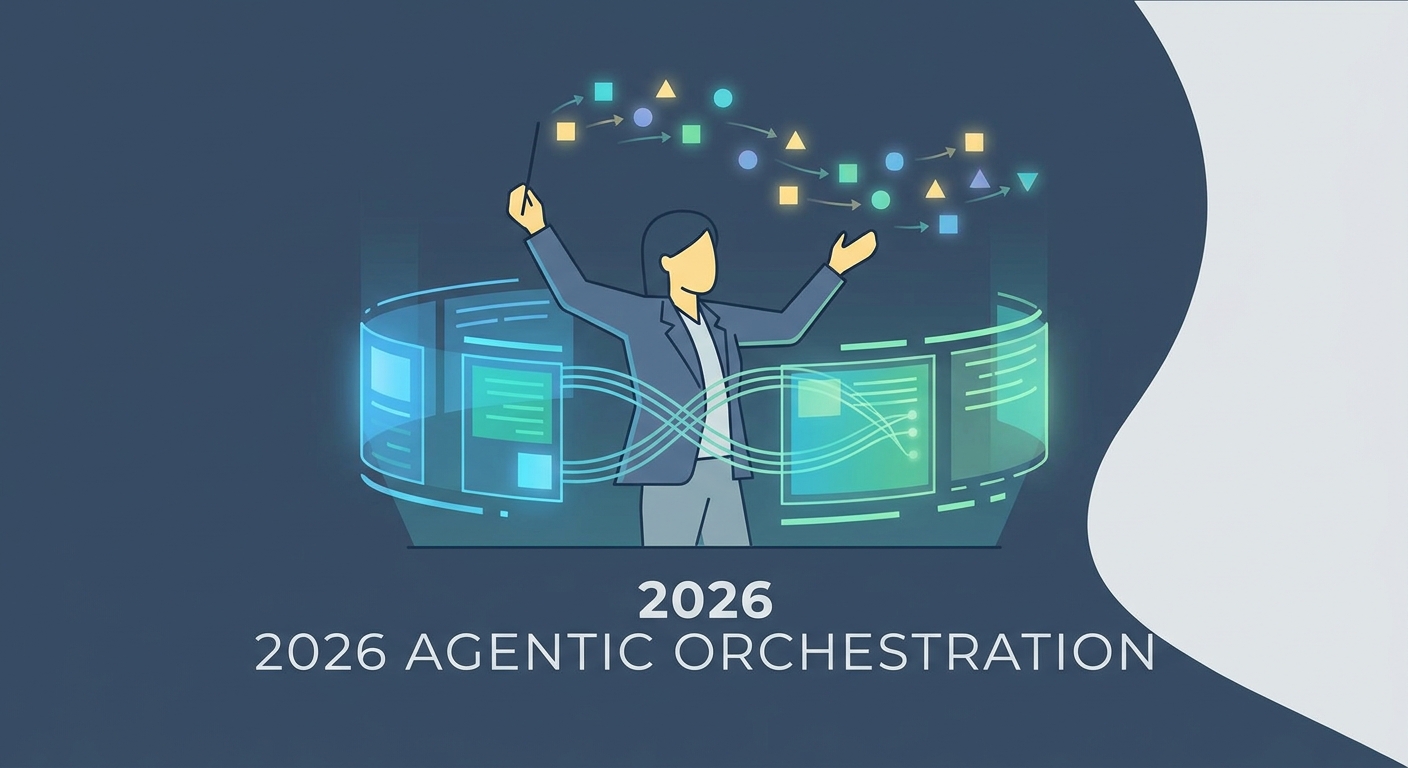
Stop using AI as a typewriter. Learn to build agentic workflows that scale high-authority content and beat synthetic mediocrity in 2026.
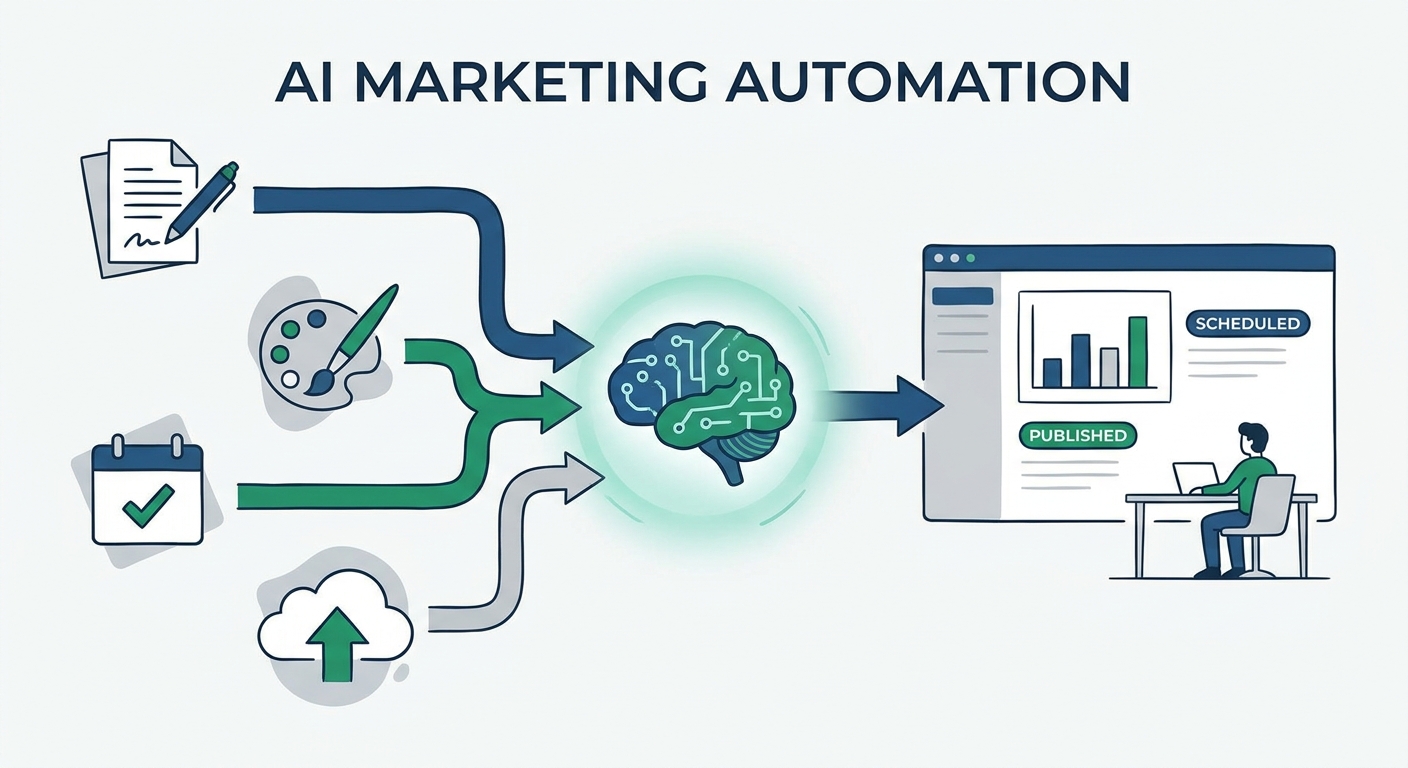
Stop manual content switching. Discover the 10 best AI social media post generators of 2026 to automate your marketing workflow and scale your content output.
Social9 schedules your posts on 11 networks, and Autopilot can draft them in your brand voice for you to approve. Start on the free plan.
We use strictly necessary cookies to run this site. With your permission, we also use analytics cookies to understand how the site is used. We never use advertising cookies. See our Cookie Policy.