Best times to post on each social network in 2026
When to post on Facebook, Instagram, LinkedIn, X, TikTok, YouTube, Pinterest and Threads in 2026, per Sprout, Buffer, Later and Hootsuite, plus a test plan.
Data & Studies
How AI trend forecasting works for social media: the signals to watch, free and paid tools, and a weekly routine for acting on a trend before it peaks. Social9 TeamProduct, content and engineering team at Social9Published Updated 5 min read

AI trend forecasting for social media uses machine learning to find topics, hashtags, sounds and formats whose interest is growing faster than normal, so you can create content before they peak. It works by measuring momentum, not size: a small topic doubling every few days is a better signal than a large one that has flattened. The forecasts are probabilities, so a person still has to decide which trends fit your brand.
This guide covers how the forecasting works, the signals and tools worth watching, its limits, and a weekly routine you can actually run.
Most trend forecasting follows the same four stages, whether it sits inside an enterprise listening suite or a free tool.
The system gathers data from many places at once:
Raw mentions are noisy. Models remove spam and bots, merge spelling variants and group related terms into one topic. "Quiet luxury", "old money style" and "stealth wealth" may be one trend, not three.
This is the core of forecasting. Common techniques include:
| Technique | What it does | Social media example |
|---|---|---|
| Time series analysis | Separates real growth from normal seasonal ups and downs | Telling a genuine spike from the usual Monday jump |
| Anomaly detection | Flags values far outside the normal range | A niche hashtag suddenly getting several times its usual posts |
| Natural language processing | Reads text for topics and sentiment | Spotting that complaints about a product feature are growing |
| Network analysis | Tracks how ideas move between communities | A format moving from a niche creator group to mainstream accounts |
The output is usually a ranked list of rising topics with growth rate, volume and sometimes a confidence level. A good tool also tells you where the trend is growing and who is driving it.
You do not need a data science team to use the same thinking. Watch these signals manually or with tools.
Combine one or two free sources with your own analytics before paying for more.
| Tool | Best for | Cost |
|---|---|---|
| Google Trends | Rising search interest by topic and region | Free |
| TikTok Creative Center | Trending hashtags, songs and creators on TikTok | Free |
| Pinterest Trends | What people are planning, often well ahead of seasons | Free |
| Reddit and niche communities | Early conversations before they reach big platforms | Free |
| Social listening suites | Tracking keywords and sentiment across networks at scale | Paid |
| Native platform analytics | Which of your own topics are gaining traction | Free |
For deeper techniques like Boolean queries and intent alerts, see our guide to advanced social listening. If you want to go further into modeling which posts will perform, read about predictive analytics for content creators.
Forecasts are useful, but they fail in predictable ways.
That last point is why human judgment stays in the loop. Our piece on what trends can teach businesses about content creation covers how to decide which trends to join.
This routine takes about an hour a week and works for a solo creator or a small team.
Steps 6 and 7 are where a scheduler helps. With Social9 you can turn a trend idea or link into drafts for each network and slot them into your content calendar, with Autopilot waiting for your approval before anything goes out. For the planning side, see our guide to building a content calendar with AI.
Not every trend needs the same response.
| Fast trends | Slow trends | |
|---|---|---|
| Examples | Sounds, memes, challenges, viral formats | Shifts in values, aesthetics, product categories, search behavior |
| Lifespan | Days to a few weeks | Months to years |
| Best response | Quick, lightweight posts | Planned series, guides, product and messaging changes |
| Main risk | Arriving late | Ignoring it until competitors own it |
Most brands get the best results by reacting to a few fast trends that genuinely fit and planning around slow trends for the rest of the calendar.
AI trend forecasting is an early-warning system, not a crystal ball. Watch velocity rather than volume, cross-check signals across platforms and your own analytics, and run a short weekly routine. Let the tools surface candidates and let people decide which ones deserve your brand's voice.
Not reliably. AI is good at noticing that something is growing faster than normal, which gives you an early warning. It cannot guarantee that a rising topic will become huge, because virality depends on chance, creators and platform algorithms. Treat forecasts as probabilities and test small before committing a full campaign.
Google Trends shows rising search interest by region and topic. The TikTok Creative Center lists trending hashtags, songs and creators. Pinterest Trends shows what people are planning, often weeks ahead. Reddit and niche forums reveal conversations before they reach the big platforms. Your own analytics show which topics are gaining traction with your audience.
As early as you can produce something genuinely relevant. Short-lived formats such as sounds and memes can rise and fade within days, so speed matters. Seasonal and cultural shifts move slower and reward planning. If a trend has no honest connection to your brand, skipping it is usually better than forcing it.
Social listening tracks what people are saying now about your brand, competitors and industry, including sentiment. Trend forecasting uses that kind of data, plus search and engagement signals, to estimate what will grow next. Listening tells you what is happening; forecasting helps you decide what to make before it becomes obvious.
When to post on Facebook, Instagram, LinkedIn, X, TikTok, YouTube, Pinterest and Threads in 2026, per Sprout, Buffer, Later and Hootsuite, plus a test plan.
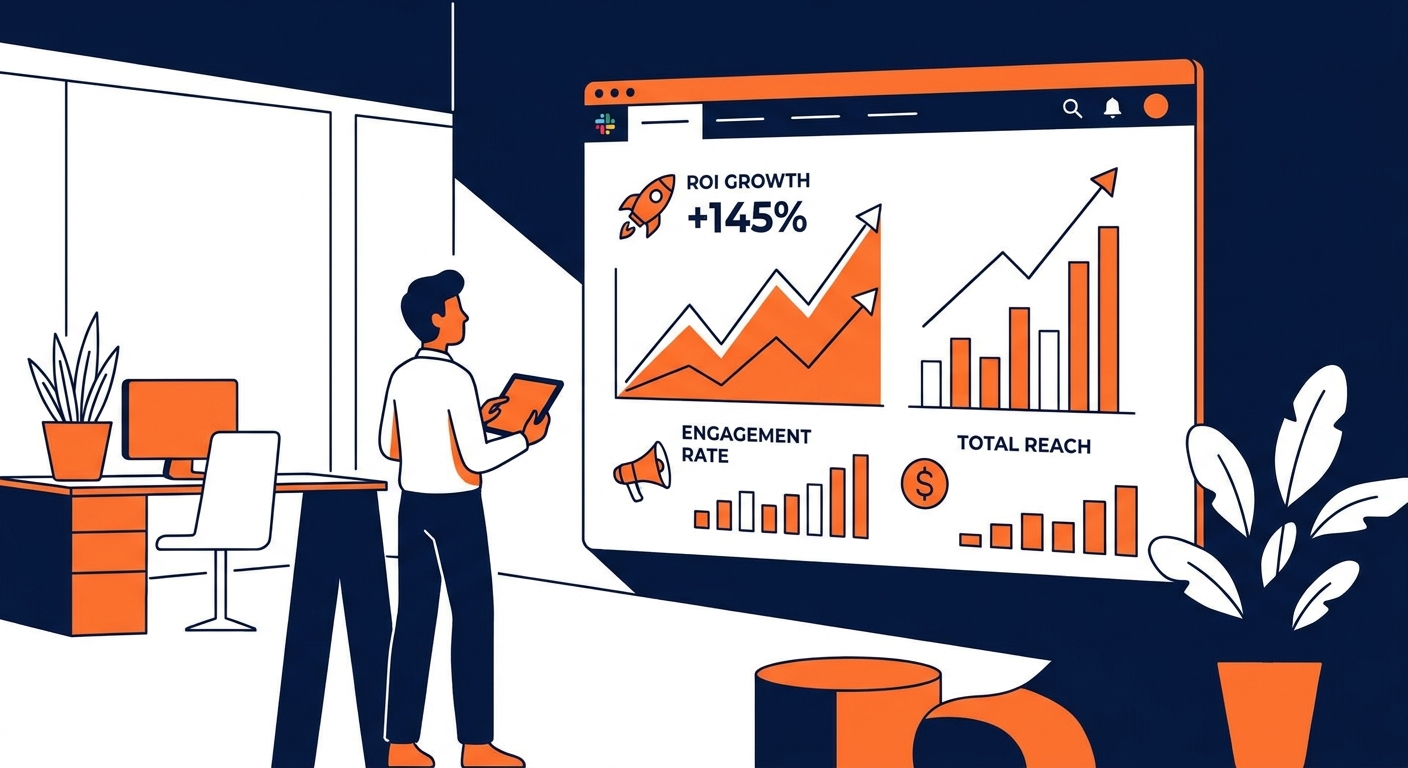
Stop tracking vanity metrics. Learn how to use social media reporting tools to prove ROI, bridge the dark funnel, and align social activity with business goals.

Run a social media audit that goes past vanity metrics: inventory accounts, check brand voice, track conversions, find content gaps and act on what you learn.
Social9 schedules your posts on 11 networks, and Autopilot can draft them in your brand voice for you to approve. Start on the free plan.