How agencies manage 20+ client calendars without burning out
A playbook for agencies running 20+ client calendars: workspace setup, a capacity formula, a monthly cadence, approval SLAs, safe access and burnout rules.
Playbooks
How to use social media for lead generation: pick the right networks, build lead magnets, use native lead forms, track UTM clicks and follow up fast. Social9 TeamProduct, content and engineering team at Social9Published Updated 6 min read
Social media generates leads when you give a specific audience a clear, low-effort reason to share their contact details or start a conversation. In practice that means publishing genuinely useful content on the one or two networks your buyers use, pairing it with a focused lead magnet or native lead form, tracking every click, and following up fast.
This guide covers how to choose networks, what to offer, which built-in lead tools exist on each platform, and a step-by-step plan you can start this week.
Most people do not buy, or even fill in a form, the first time they see a brand. Social media works as a lead source because it lets you show up repeatedly with helpful content until someone is ready to act. The basic funnel looks like this:
Word of mouth is a big part of step two. When customers, employees and partners share or comment on your posts, their networks see a recommendation from someone they know, which carries more weight than a brand talking about itself.
You do not need to be everywhere. Pick the networks where your buyers already spend time and where you can show up consistently.
| Network | Best for | Lead tools worth knowing |
|---|---|---|
| B2B, professional services, recruiting | Lead Gen Forms on ads and company Page features; Sales Navigator for prospecting | |
| Local businesses, consumer brands, communities | Lead ads (instant forms), Messenger, Groups | |
| Visual products, creators, ecommerce | Lead ads, DMs, link in bio | |
| TikTok | Consumer brands reaching younger audiences | Lead generation ads with instant forms |
| YouTube | Education-heavy products, long sales cycles | Links in descriptions, pinned comments |
| Google Business Profile | Local services | Posts with call and booking buttons |
| X, Threads, Bluesky | Founders, tech, media | Conversation and DMs; links to landing pages |
A useful rule: start with one primary network where you post several times a week and one secondary network where you repurpose. Expand only when the first is producing leads.
Content earns attention; an offer turns attention into a lead. The best social lead magnets are narrow and fast to use.
Lead magnets that tend to work on social:
Make the offer specific. "Download our marketing guide" is weak. "Get the 12-question checklist we use to audit a client's Instagram" tells the reader exactly what they get and who it is for.
Most of your posts should not ask for anything. They should be useful on their own and make the occasional call to action feel natural. A simple mix:
If your product is best explained visually, use short video. If you have research or industry analysis, LinkedIn posts and documents tend to suit it. Our guide to building a social media content strategy explains how to turn these into repeatable content pillars.
Every major network wants to keep users on-platform, so most now offer ways to collect leads without sending people to a website.
LinkedIn Lead Gen Forms attach to sponsored content and prefill a member's name, job title and company from their profile. For organic reach, an optimized personal profile matters as much as the company Page, because many B2B buyers check the person before they reply. See our LinkedIn profile optimization tips and how often to post on LinkedIn for the organic side.
Sales Navigator is LinkedIn's paid prospecting tool for finding and saving leads by role, company size and industry. Use it to build a list, then engage with those people's posts before you message them.
Meta's lead ads use instant forms that open inside the app, prefill contact details and let you add qualifying questions. On the organic side, keyword-triggered replies to comments (for example, "Comment GUIDE and we'll send it") can move interested people into a private message where you share the link.
TikTok offers lead generation ads with instant forms, which suit consumer offers such as quotes, bookings and sign-ups. Organic TikTok works best when the video itself delivers value and the offer sits in the bio link or a pinned comment.
On every network, a thoughtful reply or DM can be a lead. Answer questions in comments, join relevant groups and threads, and offer help before you pitch. Avoid automated connection spam; it damages your reputation faster than it builds a pipeline.
If you cannot see which posts produce leads, you cannot improve. Set up tracking before you start:
Social9 can add UTM tags to your links automatically as each post is published, and it can send keyword-triggered private replies on Instagram and Facebook, which covers two of the most tedious parts of this setup. For a broader measurement framework, see our social media ROI measurement guide.
Social media lead generation is not a single tactic. It is a system: the right audience, consistent helpful content, a specific offer, a low-friction way to respond, and tracking that shows what works. Start small with one network and one offer, measure honestly, and build from there.
It depends on who you sell to. LinkedIn is usually strongest for B2B because you can reach people by job title, company and industry. Facebook and Instagram suit consumer and local businesses, TikTok reaches younger audiences at scale, and Google Business Profile captures people already searching locally. Start where your existing customers spend time, then expand once one channel is working.
A lead magnet is something useful you offer in exchange for contact details, such as a checklist, template, short guide, webinar, free audit or trial. It works on social media when it solves one specific problem for one audience and can be consumed quickly. A narrow, practical offer usually converts better than a broad ebook.
Native lead forms, such as LinkedIn Lead Gen Forms and Meta lead ads, prefill details from the user's profile, so they reduce friction and often collect more leads. Landing pages give you more space to qualify and explain the offer, which can mean fewer but better leads. Many teams test both and compare cost per qualified lead, not just total leads.
Add UTM tags to every link you post so your analytics tool records which network and post sent each visitor, then set up a conversion goal for form submissions or sign-ups. Track leads by source in your CRM as well. Over a few months you will see which networks and content types actually produce qualified leads, not just clicks.
A playbook for agencies running 20+ client calendars: workspace setup, a capacity formula, a monthly cadence, approval SLAs, safe access and burnout rules.
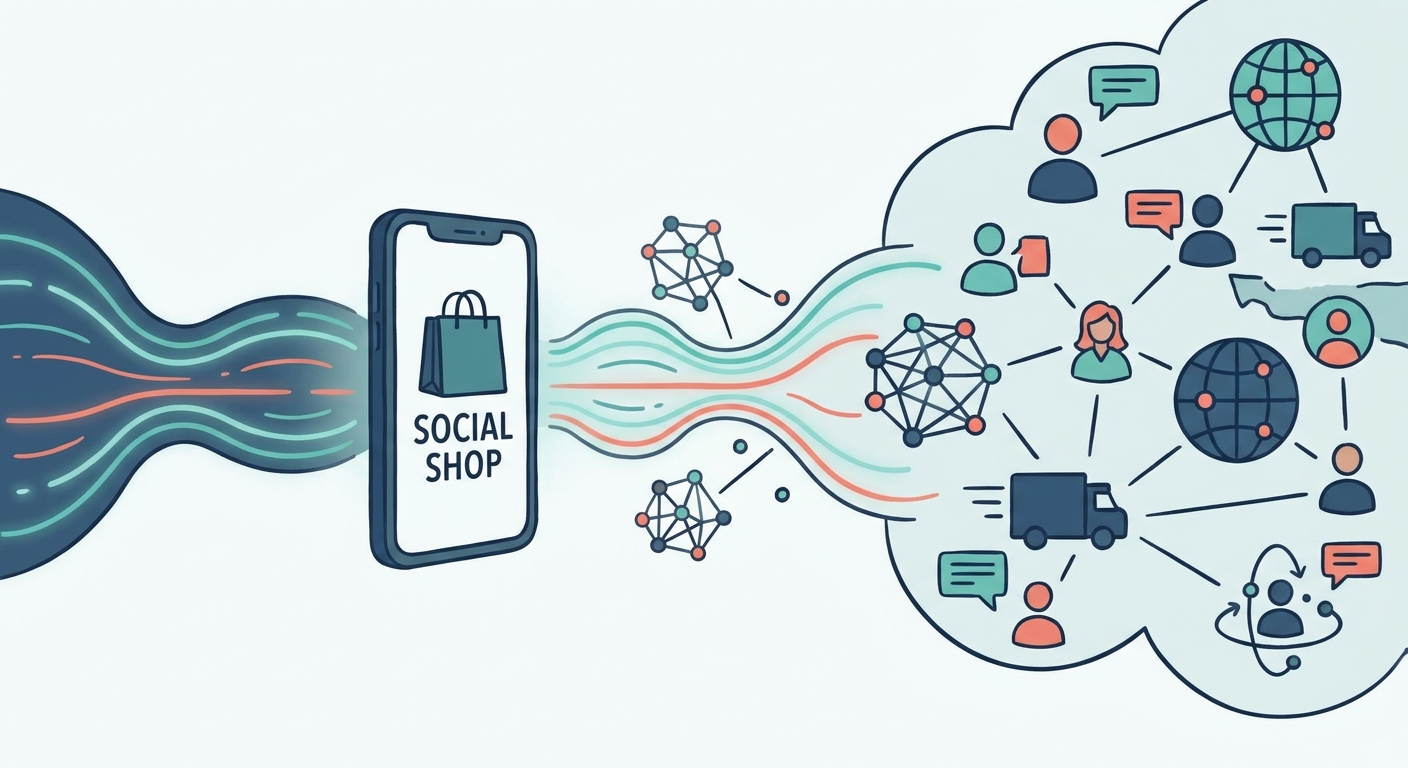
How AI integration APIs connect product catalogs to TikTok Shop, Instagram, YouTube and Pinterest, prepare you for agentic commerce, and cut manual work.

How to build a sustainable social media workflow: a six-stage loop, AI with human review, batching, fast approvals, a crisis pause plan and setups by team size.
Social9 schedules your posts on 11 networks, and Autopilot can draft them in your brand voice for you to approve. Start on the free plan.