What is social media autopilot? How AI posting works (and where to keep a human)
Social media autopilot uses AI to plan, draft, schedule and publish posts. Learn how the loop works, platform AI rules, and where a human must stay in charge.
Autopilot & AI
Learn how to create human-sounding product descriptions using ai tools that drive sales and engagement for your ecommerce brand. Alex ChenAI Content StrategistPublished 7 min read

Ever wonder why you can spot ai writing from a mile away? It usually sounds like a brochure for a hotel nobody actually wants to stay at—stiff, fake, and way too excited about "innovation."
Most bots default to a "hype" setting that just feels exhausting. If I see the word revolutionary or game-changing one more time in a product blurb for a basic toaster, I'm going to lose it. When every description uses the same five adjectives, nothing stands out.
People don't buy "ergonomic healthcare seating solutions"; they buy a chair that won't make their back hurt during a 12-hour shift. ai often misses the "why" behind a purchase.

Whether it's a finance app or a retail shop, bots forget that humans are messy and emotional. We need to feel something—even if it's just relief that a product finally solves a small annoyance.
Next, let's look at how to actually fix this by injecting some real personality back into the machine.
So, you want your bot to stop sounding like a corporate manual? It starts with the "who" before the "what."
If you just tell an ai to "write a product description," it’s gonna give you that beige, safe, boring fluff we talked about earlier. You gotta give it a soul—or at least a very convincing mask to wear.
Think of your prompt like casting an actor for a movie. You wouldn't just say "be a person," right? You’d tell them if they’re a grumpy detective or a bubbly barista.
The "show don't tell" rule is huge here. Don't just say "be funny." Show it what you mean.
Bad Prompt: Write a description for this coffee mug. Make it friendly and persuasive.
Great Prompt: You are a tired parent who hasn't slept in three days. Write a product blurb for this 20oz travel mug. Use a dry, slightly sarcastic tone. Mention how it fits in a stroller cup holder and doesn't leak when you inevitably drop your keys. Avoid words like 'premium' or 'best.'
According to a 2024 report by Sprout Social, about 34% of consumers say "authentic, non-promotional content" is what they want to see most from brands. Giving your ai a messy, human persona is the easiest way to hit that mark.

By the way, it's worth remembering that while we're "tricking" the ai into sounding human, we still gotta be honest about what the product actually does. Nobody likes a liar, even a funny one.
Next up, we’re gonna look at how to scale this up without the quality falling off a cliff.
Scaling a shop or a blog is a huge win, but honestly, it’s also where the "robot smell" starts to creep in. When you're trying to push out fifty product descriptions or a dozen social posts by lunch, it's easy to let quality slide just to hit a deadline.
The trick isn't just generating more text; it's about building a workflow where the ai does the heavy lifting while you keep the "soul" intact. You need a system that feels less like a factory and more like a really fast assistant.
If you're managing multiple brands, social9 is a lifesaver for making sure your ai-generated gems actually reach people. It helps creators take those polished product descriptions and turn them into engaging posts for instagram or x without starting from scratch every single time.
It's basically about working smarter so you don't burn out. According to a 2023 report by eMarketer, brands that use automation for content distribution see significantly higher engagement because they can actually stay active without losing their minds.

Anyway, once you've got the scale figured out, you still gotta make sure the machine isn't just making stuff up. Next, we'll look at the editing process to keep things accurate and grounded.
Let's be real—if you let an ai run wild with your product specs, it’s eventually going to hallucinate a feature that doesn't exist. I once saw a bot claim a standard cotton tee had "built-in bluetooth connectivity," which is a great way to get a one-star review and a very confused customer.
The "human-in-the-loop" part isn't just a buzzword; it's your safety net. You have to be the one to double-check that the ai didn't turn a "water-resistant" watch into a "deep-sea diving" instrument.

Once the facts are straight, you gotta make it sound like you. If your brand uses specific lingo or inside jokes that your community loves, the ai probably won't catch that vibe on its own.
According to a 2023 report by Workato, about 58% of marketers say that using ai has already improved their content's performance, but only when humans stay involved to steer the ship.
Now that we've polished the personality and checked the facts, let's talk about how to optimize for search and sales so your copy actually performs.
So, you finally got your ai to stop sounding like a toaster manual, but now you’re worried if anyone will actually find the page? It's the classic struggle—trying to please the google gods without making your actual customers want to close the tab.
The secret is to stop "stuffing" and start integrating keywords naturally. If you’re selling a rugged hiking boot, don't just repeat "waterproof hiking boots for men" five times in a row. Instead, use the ai to build a story where those words fit.

Honestly, at the end of the day, if a human likes reading it, a search engine probably will too. Just keep it real and don't overthink the "robot" side of things. Keep your eyes on the data, but trust your gut.
Social media autopilot uses AI to plan, draft, schedule and publish posts. Learn how the loop works, platform AI rules, and where a human must stay in charge.
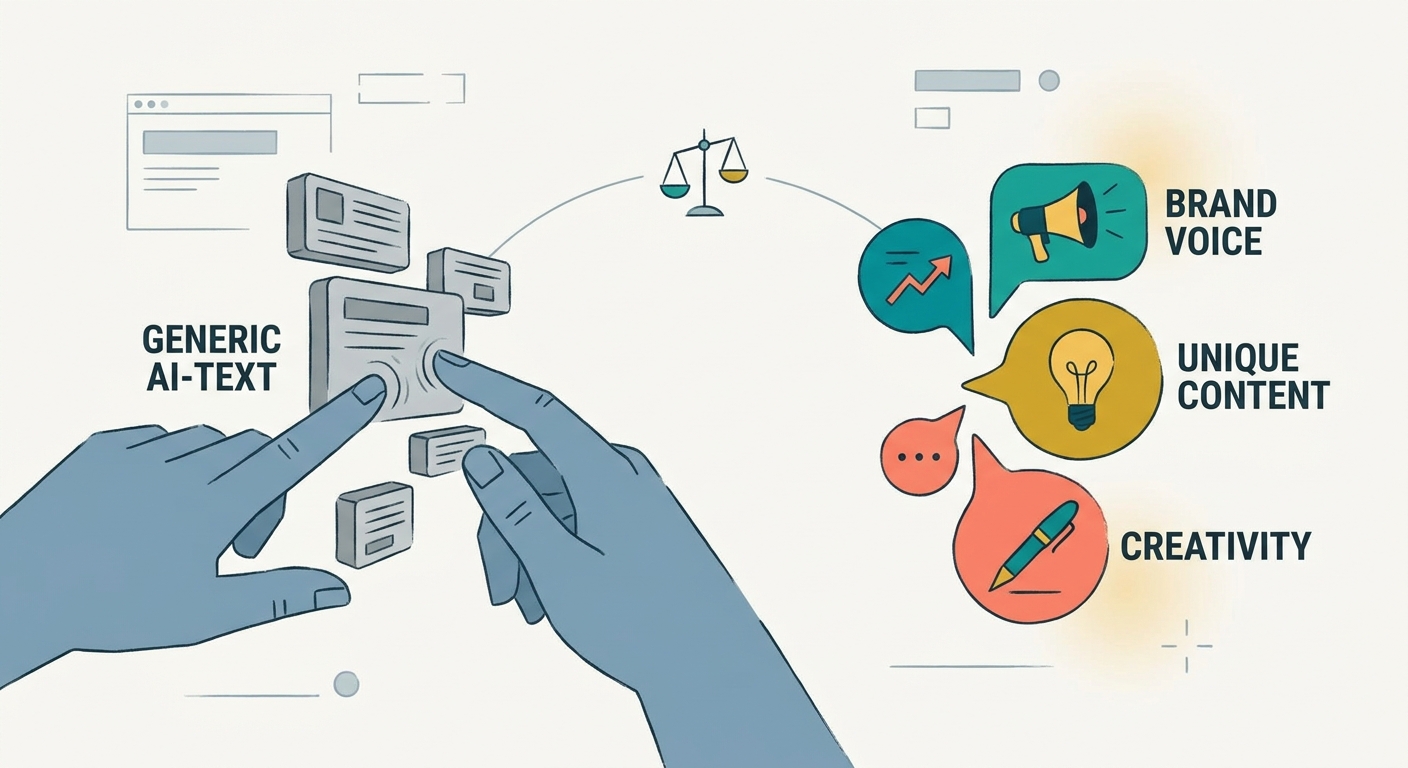
Learn how to scale your social media presence using the 70/30 automation rule to maintain your brand voice while leveraging AI for efficiency.
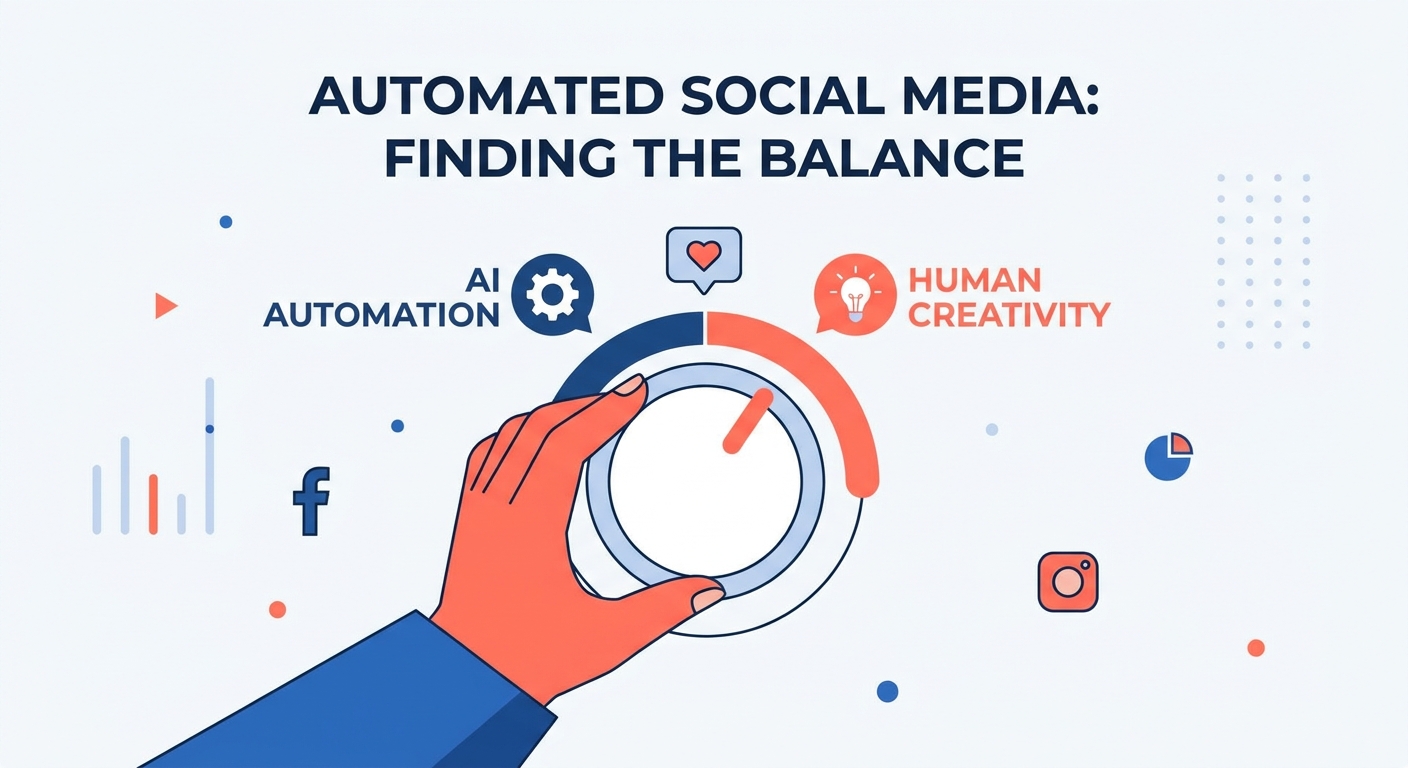
Learn how to scale social media content using AI without sacrificing your brand's unique voice. Master the 'Human-in-the-Loop' framework for authentic engagement.
Social9 schedules your posts on 11 networks, and Autopilot can draft them in your brand voice for you to approve. Start on the free plan.
We use strictly necessary cookies to run this site. With your permission, we also use analytics cookies to understand how the site is used. We never use advertising cookies. See our Cookie Policy.