What is social media autopilot? How AI posting works (and where to keep a human)
Social media autopilot uses AI to plan, draft, schedule and publish posts. Learn how the loop works, platform AI rules, and where a human must stay in charge.
Autopilot & AI
The days of agonizing over a static image in Photoshop while a trend dies in real-time? They’re dead. Gone.
In 2026, if you aren't using generative AI to turn Alex ChenAI Content StrategistPublished 5 min read
The days of agonizing over a static image in Photoshop while a trend dies in real-time? They’re dead. Gone.
In 2026, if you aren't using generative AI to turn lightning-fast internet culture into high-conversion assets, you’re basically shouting into a void. Creators today aren't waiting for a design team to "get it." They’re using neural networks to mash up cultural context with brand identity in seconds. This isn't just about efficiency—it's about moving at the speed of the internet. It’s a non-negotiable reality discussed in our deep dive into the Future of Content Creation that separates the brands that win from the ones that just make noise.
For years, the C-suite dismissed memes as "adolescent noise." In 2026, that perspective is a liability. Memes are the primary dialect of the digital native. They’re high-speed communication tools, packing complex emotional narratives into single frames.
The four pillars—relatability, humor, shareability, and a price tag of nearly zero—create a lethal cocktail for brand growth. The numbers back it up: according to the Statista Meme Marketing Report 2026, companies that bake meme culture into their social strategy see engagement rates up to 3x higher than those clinging to polished, sterile banner ads. When a brand speaks the language of the feed, it stops being an interruption and starts being a participant.
The "one-size-fits-all" approach is officially extinct. We’ve moved into an era of hyper-personalization. AI now lets brands serve memes tailored to the specific sub-interests of a micro-audience, swapping out visual elements on the fly to hit home with distinct demographics.
We’re also seeing a massive pivot toward interactive formats. Users are obsessed with memes that function as mini-games, polls, or "choose your own adventure" templates. These keep eyes on the screen significantly longer than a passive image ever could. And don't get me started on AI-driven brand mascots—digital personas that can be "prompted" to react to live events. As highlighted in the iF Design Trend Report 2026, the key to success today isn't just having a logo; it’s having a digital entity that can actually show up to the party.
Integrating AI doesn't mean hitting a "generate" button and praying for a miracle. It requires a pipeline that balances the chaotic, lawless speed of internet trends with the stability of your brand voice. By automating template adaptation, you ensure that as a format evolves, your brand assets evolve with it. No manual redesigns. No burnout.
The following pipeline illustrates how a trend moves from a flicker of an idea to a high-fidelity, published asset:
graph LR
    A[Trend Discovery] --> B[Template Selection]
    B --> C[AI Customization]
    C --> D[Ethical Review]
    D --> E[Publishing]

    style A fill:#f9f9f9,stroke:#333
    style C fill:#e1f5fe,stroke:#01579b
    style E fill:#e8f5e9,stroke:#2e7d32
Deepfake integration is also becoming standard, though it’s a sensitive tool. Used for parody or mascot representation, it creates a layer of hyper-realism that demands attention. But tread carefully. You need to keep that "human" spark alive; if it feels like a sterile corporate output, the internet will smell it. And they will roast you for it.
The fastest way to kill a meme is to try too hard. "Corporate cringe" happens when a brand forces a meme into a stale marketing campaign instead of just observing the subculture first. Before you deploy any AI-generated asset, you have to understand the "soul" of the template. Is it ironic? Is it wholesome? Is it a scathing critique?
Authenticity isn't about being "perfect." It’s about being aligned with the audience’s intent. If your AI tool is churning out content that feels disconnected from the cultural pulse, you’re doing it wrong. For those looking to bridge this gap, our AI Creative Suite offers brand-safe templates that prioritize nuance over raw volume, ensuring your voice remains consistent even when the trends change by the hour.
With great power comes the "Deepfake Dilemma." The ease with which AI can replicate a human likeness or a copyrighted style poses significant legal and ethical headaches. Brands must prioritize transparency. If you’re using AI to create a character or a hyper-realistic parody, disclose it.
The AI Ethics Guidelines for Creators provide a roadmap for navigating these waters. They emphasize that while parody law often protects creative work, the misappropriation of a private individual’s likeness is a massive minefield. Always operate under the mantra: "Just because you can, doesn't mean you should."
Speed is your greatest asset. To execute a strategy in five minutes, you have to stop treating meme creation as a "project" and start treating it as a "process."
For beginners, simple generative tools that rely on text-to-image prompting allow for rapid iteration. For the pros, custom-trained LoRAs (Low-Rank Adaptation) on your brand’s specific visual style allow for near-instant, high-quality output that stays distinct from the noise.
High-fidelity AI tools have largely killed the "uncanny valley" effect. Today, virality is driven by relevance and timing, not the origin of the pixels. If the content hits an emotional nerve or provides genuine value, the algorithm will prioritize it regardless of how it was made.
The primary risk is the right of publicity and defamation. Using a real person’s likeness for commercial gain without permission is a one-way ticket to litigation. Stick to public figures in clear parody contexts, and ensure your use falls under fair use protections. Or, better yet, just build your own original AI-generated characters.
Create a "Brand Style Prompt" library. This is a collection of specific instructions—voice, tone, visual aesthetic, and prohibited topics—that you feed into the AI as a system instruction for every request. This keeps the AI "tethered" to your established identity.
Beginners should start with platforms that offer built-in meme templates combined with generative image capabilities. Look for tools that emphasize speed and mobile-first design, as these are optimized for the platforms where memes actually live, such as Twitter (X), Instagram, and TikTok.
Social media autopilot uses AI to plan, draft, schedule and publish posts. Learn how the loop works, platform AI rules, and where a human must stay in charge.
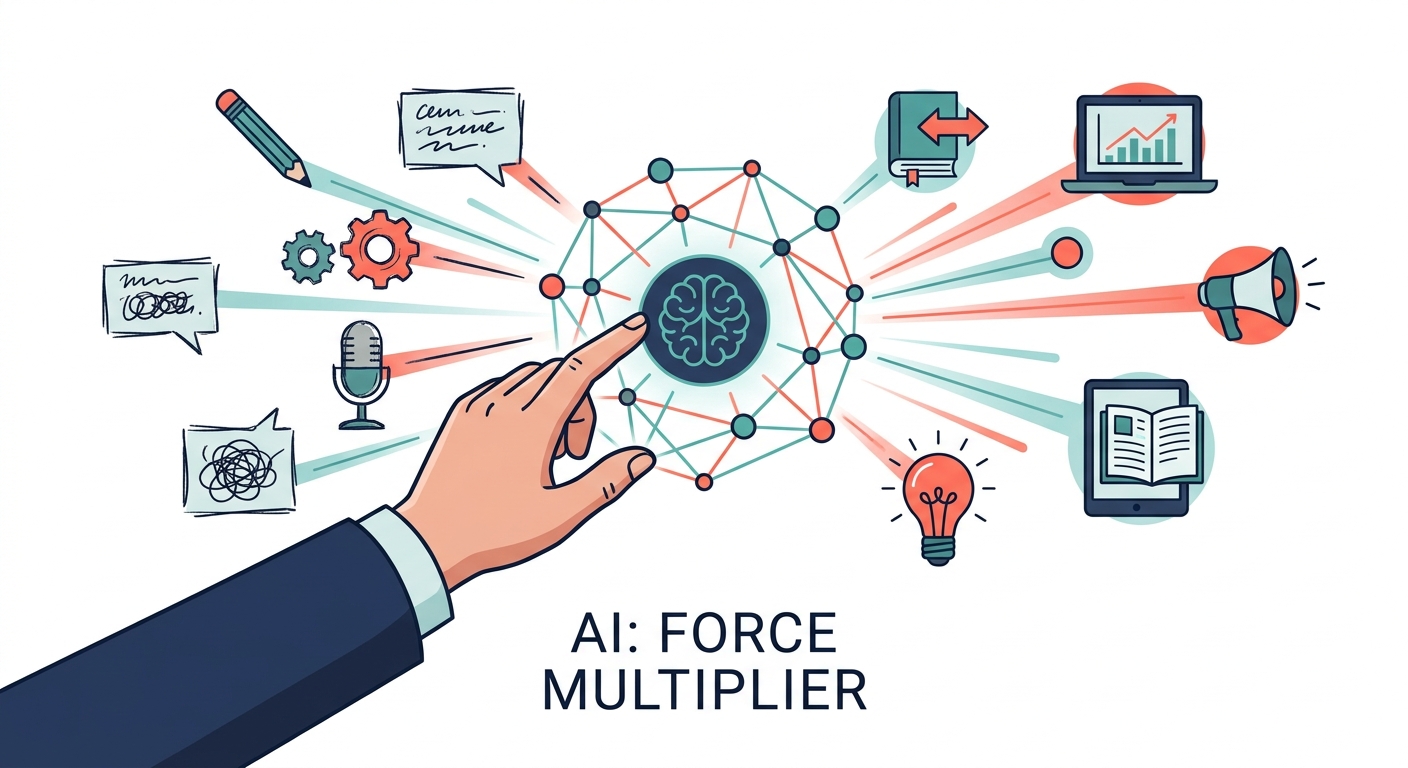
Content creation isn't writing anymore. It’s orchestration. If you’re still using AI as a "magic button" to spit out blog posts from start to finish, stop. Yo

Stop churning out generic AI fluff. Learn how to build a full-stack content workflow that scales your unique human expertise and builds reader authority.
Social9 schedules your posts on 11 networks, and Autopilot can draft them in your brand voice for you to approve. Start on the free plan.
We use strictly necessary cookies to run this site. With your permission, we also use analytics cookies to understand how the site is used. We never use advertising cookies. See our Cookie Policy.