What is social media autopilot? How AI posting works (and where to keep a human)
Social media autopilot uses AI to plan, draft, schedule and publish posts. Learn how the loop works, platform AI rules, and where a human must stay in charge.
Autopilot & AI
The "AI Gold Rush" of 2024 and 2025? It’s over. We’ve hit a wall. Welcome to 2026, the year of the "Trust Deficit."
For two years, the industry operated under Alex ChenAI Content StrategistPublished 6 min read
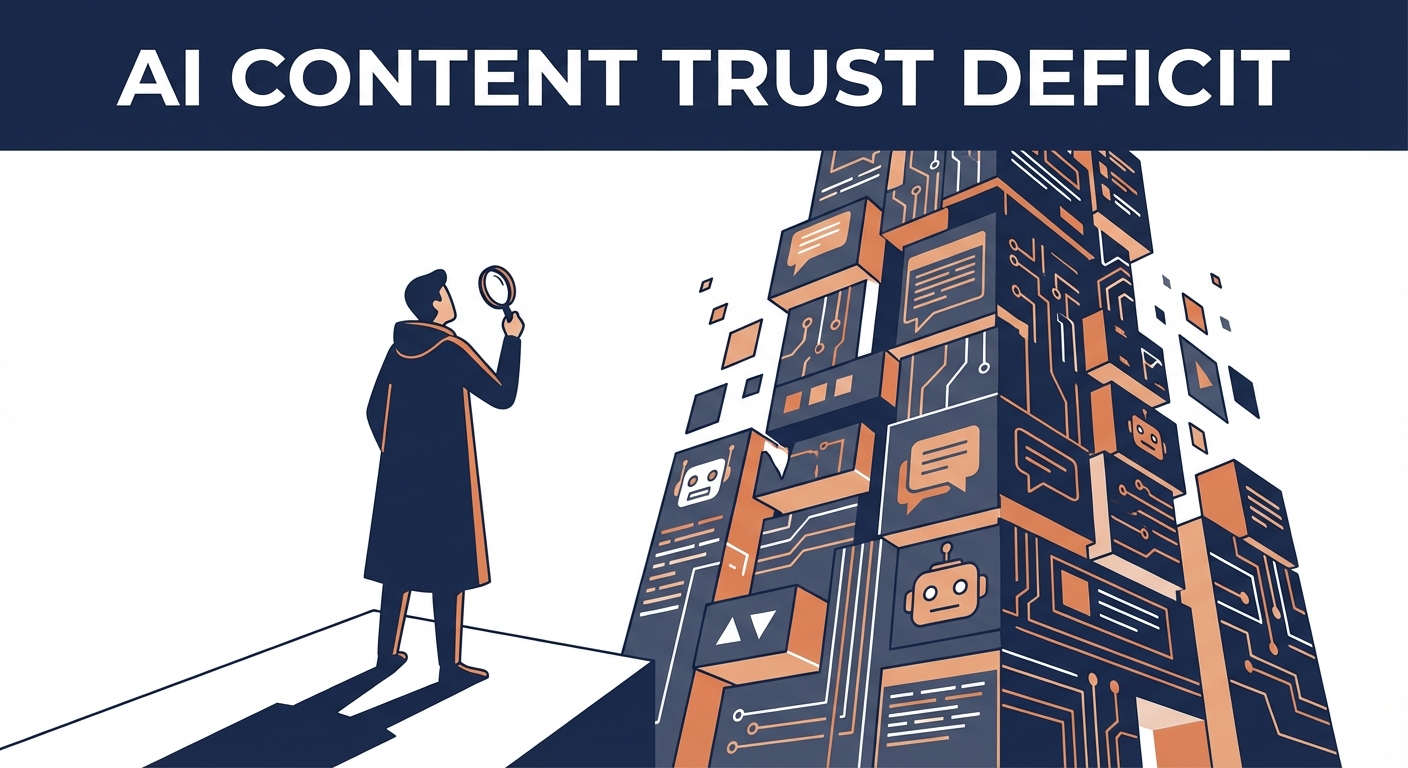
The "AI Gold Rush" of 2024 and 2025? It’s over. We’ve hit a wall. Welcome to 2026, the year of the "Trust Deficit."
For two years, the industry operated under a lazy, dangerous premise: if you can generate it, you should publish it. We prioritized the capacity to churn out noise over the necessity of having something to say. But today, the bill is coming due. The hidden cost of scaling content through unbridled automation is impossible to ignore.
Here’s the truth: AI is a high-octane engine, not the pilot. When you replace human intuition, rigorous vetting, and hard-won experience with raw algorithmic output, you aren’t just cutting corners. You’re building a business liability. If your content strategy relies on push-button blog posts, pull the emergency brake. Audit your output. Your audience is already walking away.
We are living in the era of "content pollution." The internet is drowning in synthetic prose—text written by nobody, for everybody. When every competitor uses the same foundational models to spit out the same "best practices" listicles, the value of that content drops to zero.
We’ve moved past the phase where volume drives growth. In 2026, audience retention is the only metric that actually pays the bills.
The 2026 AI Content Incidents Report highlights a sobering trend: as the volume of AI-generated content has skyrocketed, the rate of factual errors and brand-damaging hallucinations has followed suit. Readers have developed a sixth sense for "AI-isms"—that sterile, overly polished, suspiciously generic tone that lacks a pulse. When a reader clicks your link hoping for a breakthrough and finds a bland, 800-word summary of existing search results, you haven’t just wasted their time. You’ve signaled that your brand has nothing unique to offer.
There’s a pervasive myth in digital marketing that AI saves time. Proponents love to brag about how they can output a draft in seconds. They conveniently ignore the "Fact-Check Tax."
If you are running a professional operation, you cannot simply hit "publish" on a raw AI draft. You have to verify every claim. You have to cross-reference every statistic. You have to strip out the weirdly specific, hallucinated anecdotes that AI loves to invent.
By the time you’ve manually verified the data and rewritten the sections that sound like a malfunctioning robot, you’ve spent just as much time—if not more—than if you’d hired an expert to write it from scratch.
And the stakes are higher now. In 2026, "the AI hallucinated" isn't a defense that holds up in court. It doesn't satisfy a client who lost money based on your inaccurate advice, either. If you outsource your brand's voice to an unthinking algorithm, you’re gambling with your professional credibility. Is that a bet you really want to make?
Google’s E-E-A-T Guidelines aren't just suggestions. They are the blueprint for search survival in a post-AI world. The algorithm is getting smarter at sniffing out content that lacks "Experience." If your content is just a synthesis of existing web data, it offers nothing new to the ecosystem.
AI models are trained on the past. They aggregate what has already been said. They cannot provide the "boots on the ground" perspective that defines real expertise. When you rely solely on AI, your content lacks the proprietary data, the unique case studies, and the human-centric storytelling that Google prioritizes to establish authority.
graph TD
    subgraph AI_Only [The AI-Only Workflow]
        A1[AI Content Generation] --> A2[Publish]
    end

    subgraph Human_Loop [The Human-in-the-Loop Workflow]
        H1[AI Research & Outlining] --> H2[Human Narrative Drafting]
        H2 --> H3[Human Fact-Check & Edit]
        H3 --> H4[Publish]
    end
In a world where mediocrity is automated, the "human spark" has become a luxury good. Your audience is starving for contrarian opinions, personal anecdotes, and data that wasn't scraped from a public forum. When you share a story about a project that failed, or a hard-won lesson you learned in the trenches, you build a connection that an LLM can never replicate.
Brands that lean into human-centric storytelling—those that prioritize the nuance of human emotion and the specificity of professional experience—will command a premium this year. We believe that our content philosophy centers on this exact premise: technology should elevate the human voice, not replace it. Your readers don't want a transcript. They want a mentor, a guide, and a peer.
AI is a tool, not a creator. We need to define a "Boundary of Utility" to keep our strategy grounded.
Use AI for the grunt work:
These are tasks where AI excels, provided you are there to oversee the outcome.
However, there is a "Boundary of Risk" you must never cross. Never delegate your final tone, your opinion pieces, or high-stakes advice to a machine. If you are writing a piece on financial planning, legal compliance, or complex medical advice, the responsibility must remain entirely human. As noted in The Ethics of AI Persuasion, the way we use these tools carries moral weight. Manipulating readers with machine-generated, potentially biased content is a slippery slope that leads to a complete erosion of your brand’s integrity.
To navigate the current landscape, we recommend a strict 3-Step "Human-in-the-Loop" protocol:
Scaling content output without sacrificing quality is the primary challenge of 2026. We specialize in helping brands implement this "Human-in-the-Loop" workflow, ensuring that your output remains authoritative and distinct. If you are struggling to balance the speed of AI with the necessity of human oversight, our content editing services are designed to bridge that gap, helping you maintain a voice that is unmistakably yours.
Not inherently, but low-quality, unedited AI content rarely meets the high threshold for E-E-A-T. Google does not penalize AI content specifically, but it does penalize content that lacks depth, accuracy, and original insight—all of which are common casualties of automated production.
Look for "AI-isms." If your drafts are filled with words like "delve," "tapestry," or "game-changer," and if the advice feels generic enough to apply to any company in your industry, it is likely too AI. If you can swap your company name with a competitor's and the article still makes perfect sense, you have failed the authenticity test.
The biggest risk is the long-term erosion of brand trust. Once a reader identifies your content as "AI-slop" that provides no unique value, they stop visiting your site. Furthermore, the reputational damage from publishing inaccurate, hallucinated information can be difficult to recover from in a competitive market.
Yes—AI is a powerful assistant, but a dangerous primary author. It is excellent for structural planning, data organization, and generating initial ideas, but the creative heavy lifting and the final fact-checking must always be kept in human hands.
Inject personal anecdotes that illustrate your points, insert original research or proprietary data that isn't available on the open web, and adopt a strong, contrarian stance that reflects your actual expertise. If the draft feels safe and agreeable, it’s not human enough.
Social media autopilot uses AI to plan, draft, schedule and publish posts. Learn how the loop works, platform AI rules, and where a human must stay in charge.
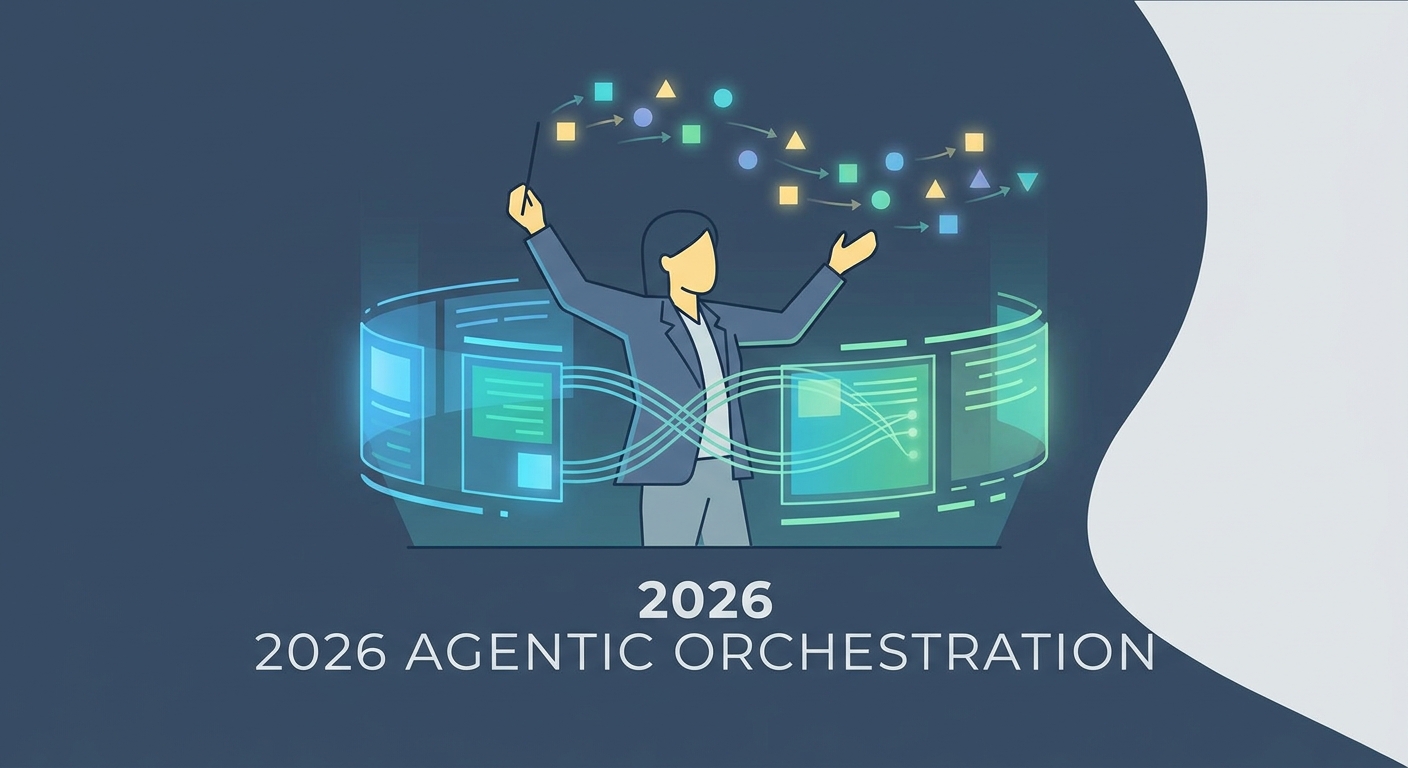
Stop using AI as a typewriter. Learn to build agentic workflows that scale high-authority content and beat synthetic mediocrity in 2026.
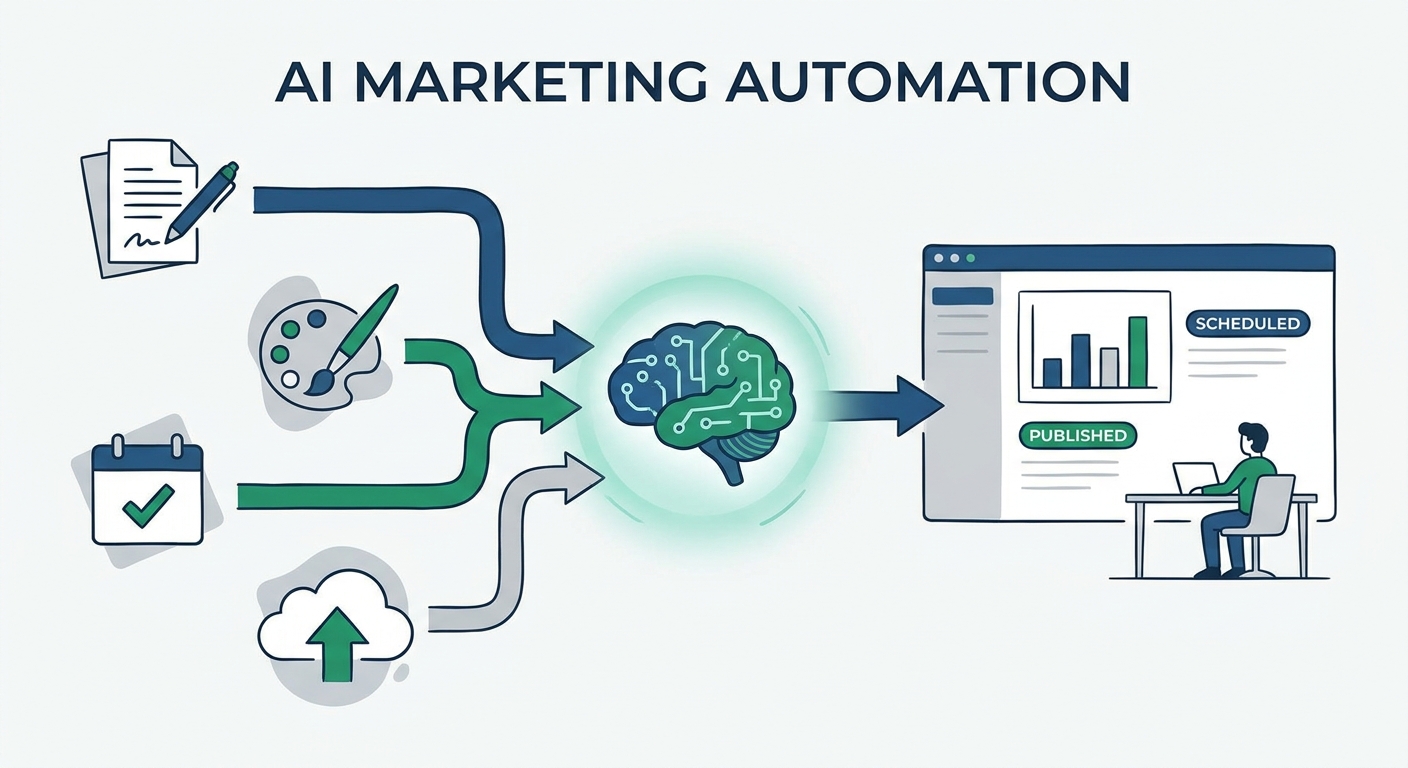
Stop manual content switching. Discover the 10 best AI social media post generators of 2026 to automate your marketing workflow and scale your content output.
Social9 schedules your posts on 11 networks, and Autopilot can draft them in your brand voice for you to approve. Start on the free plan.
We use strictly necessary cookies to run this site. With your permission, we also use analytics cookies to understand how the site is used. We never use advertising cookies. See our Cookie Policy.