Introduction to AI and Creative Generation

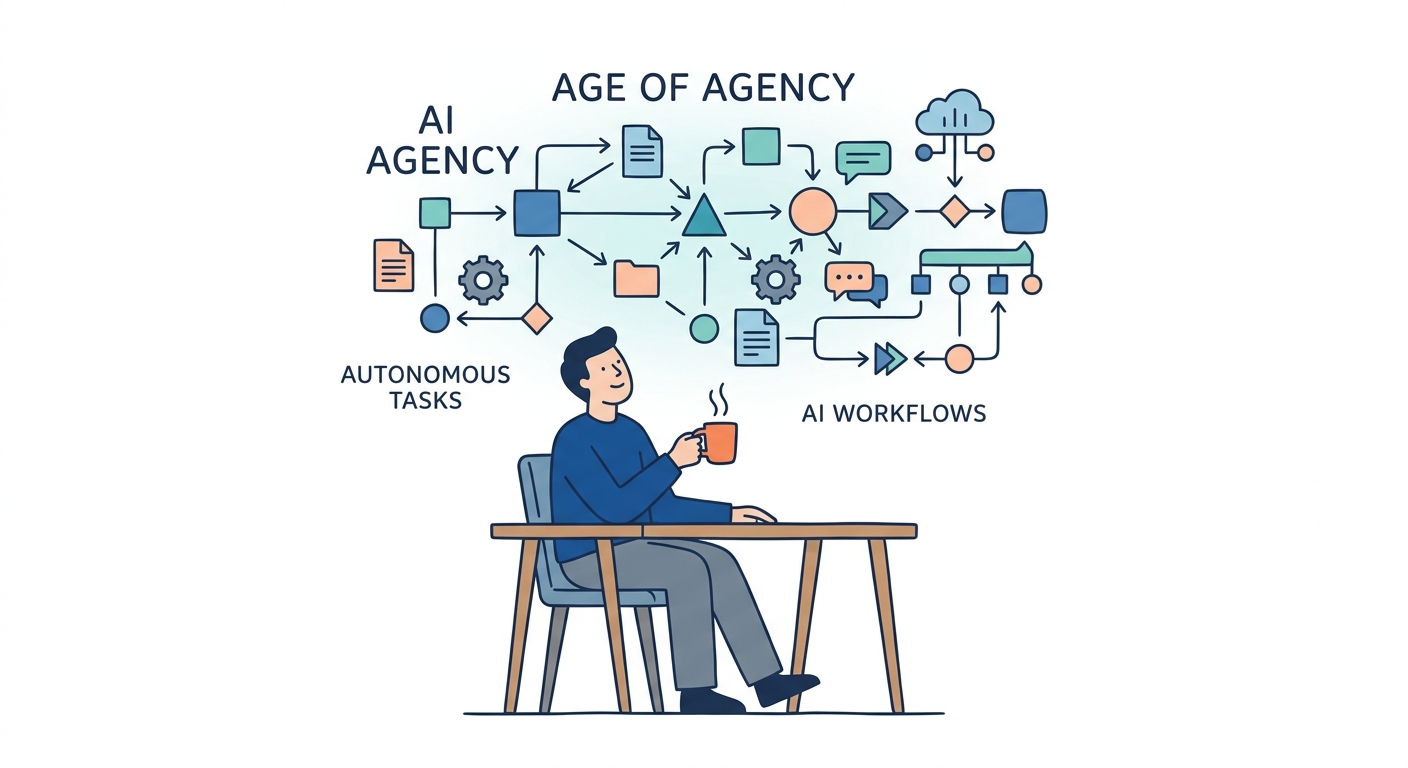
The days of treating a chatbot like a digital vending machine—input prompt, receive text, repeat—are dead. That was 2024. In 2026, we’ve crossed the threshold into the Age of Agency.
We aren’t just "prompting" anymore. We’re orchestrating.
The focus has shifted from simple text generation to Agentic AI: autonomous systems that don't just answer questions, but execute complex, multi-step workflows while you sip your coffee. For business leaders and creative pros, this isn't some futuristic experiment. It’s the new baseline. If you aren't using these engines as force multipliers to handle the heavy lifting, you’re already falling behind. The world demands scale, but it also demands surgical precision. Here is how you survive—and win—in this new reality.
Why the Creative Landscape Shifted
The "query-response" model is obsolete. You know the one: you ask, the AI answers, and you’re left with a static block of text that still needs a total rewrite.
We’ve moved to a "goal-oriented" model. Now, you define the objective—say, a full product launch campaign—and the agent handles the drudgery: the research, the initial draft, the internal review, and the final polish.
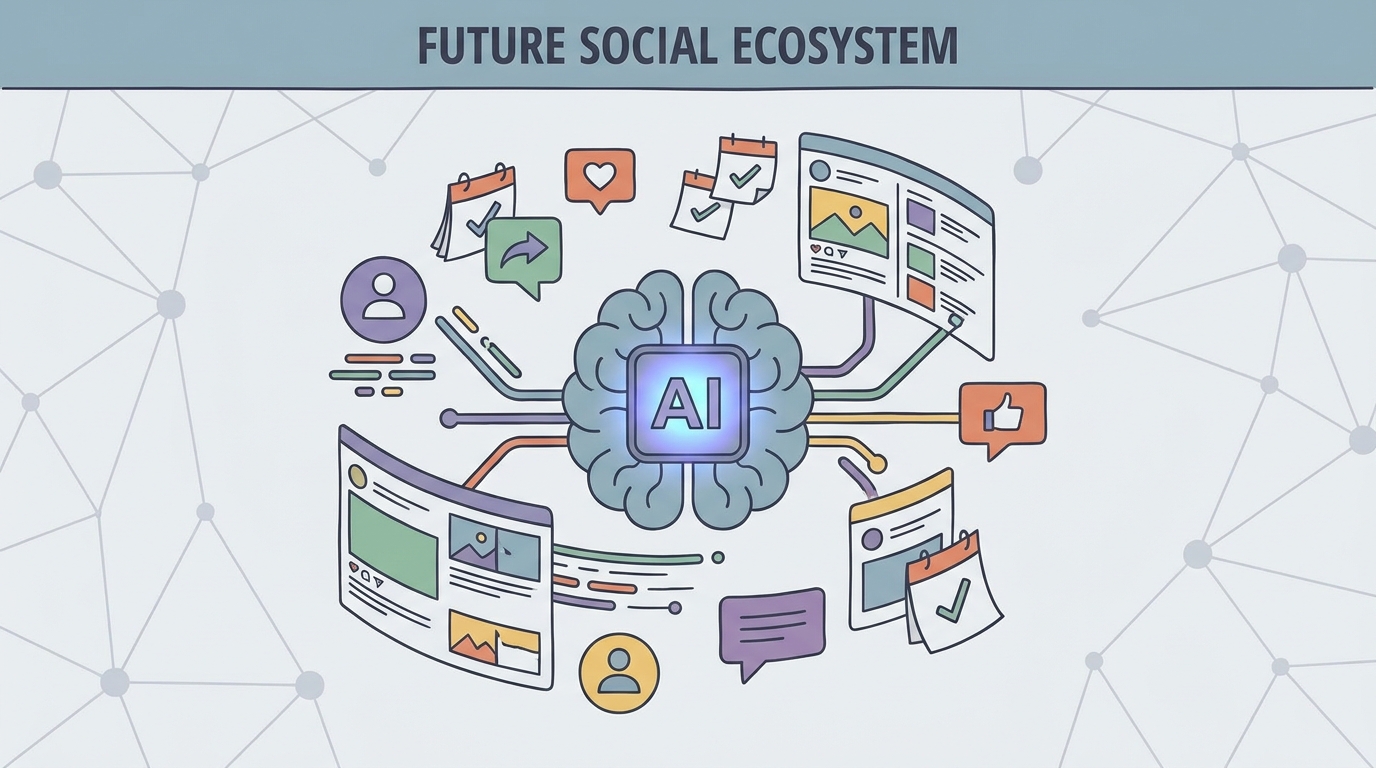
This evolution is tied to the rise of multimodal workflows. We’ve stopped treating text, video, and 3D assets as separate silos. Your creative workflow should be a single, flowing river. A single prompt can now dictate the tone of a whitepaper, the visual style of a video, and the structural integrity of a 3D product render simultaneously. According to the 2026 AI Trends Report, this convergence is the heartbeat of modern organizational agility. It allows teams to pivot their messaging in real-time, cutting through the bottlenecks that used to paralyze production cycles.
Generative AI: Beyond the Marketing Fluff
Let’s strip away the buzzwords. At its core, Generative AI is just a massive pattern-recognition engine. It’s trained on the sum of human digital knowledge, and it doesn't "think"—it predicts the most statistically likely sequence of tokens. Whether those tokens are words, pixels, or geometric coordinates, the math remains the same.
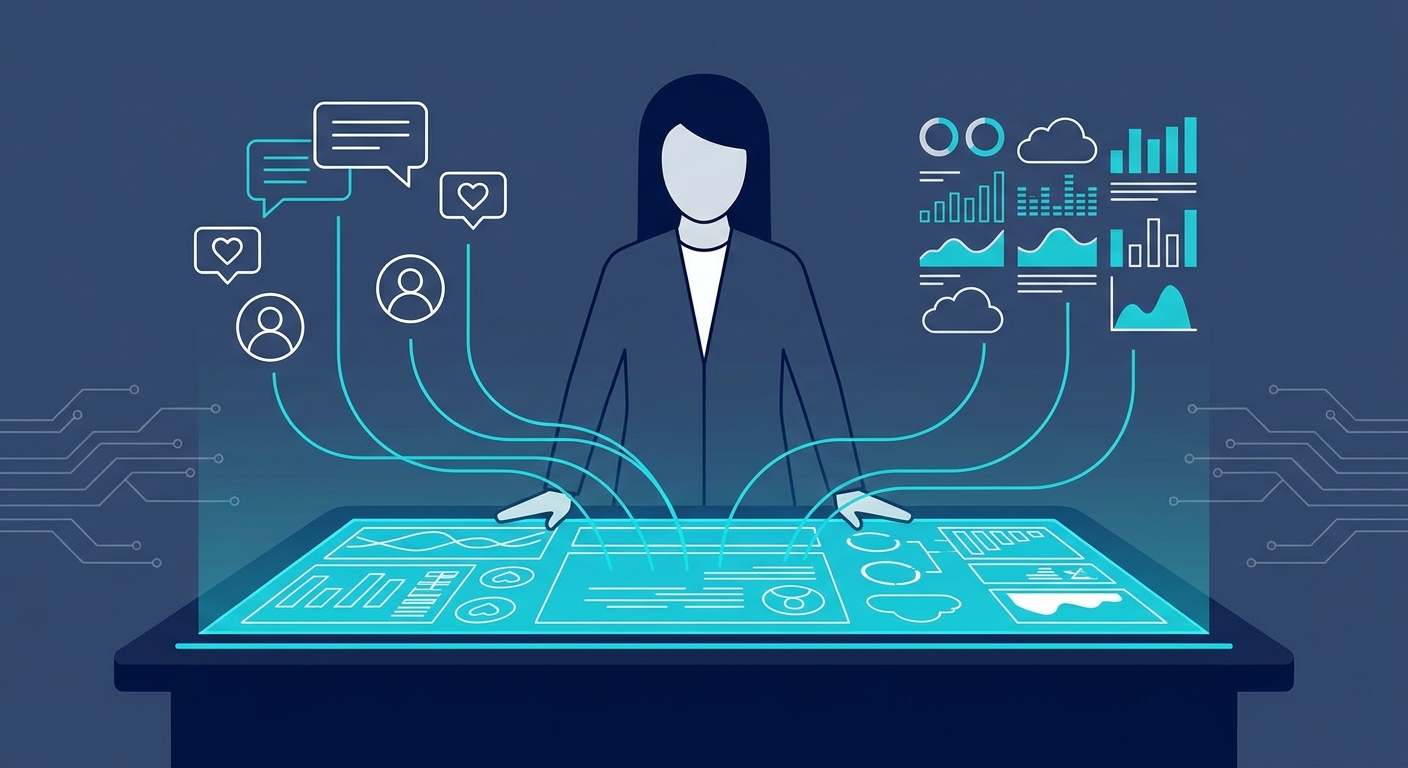
The real shift for business leaders is moving from "Chatbot" to "Creative Engine." A chatbot is a passive tool that waits for your command. A creative engine is an active participant in your workflow.
By cutting out the manual touchpoints, your team evolves. You stop being "makers" of every single component and start being "architects" of the output. This isn't just about speed. It’s about freeing up your best minds for the high-level strategy that actually drives growth.
Driving Real ROI
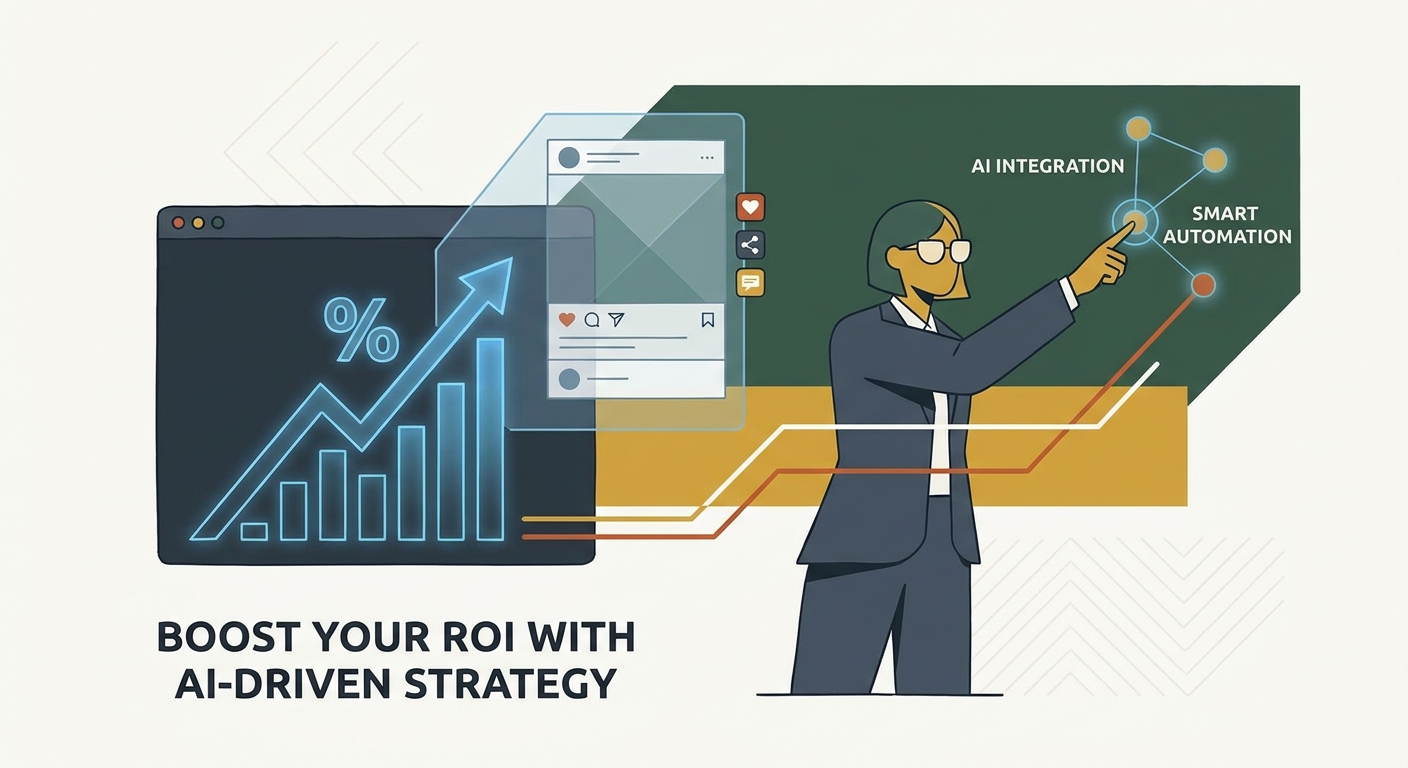
Skepticism is fine, but the balance sheet doesn't lie. We aren't talking about "cool tech" anymore; we’re talking about a business imperative. Research into Generative AI ROI Statistics shows that for every $1 invested, companies see an average return of $3.70.
That ROI isn't magic. It’s simple math: time-to-market. When your team can spin up high-fidelity assets in hours instead of weeks, you can capitalize on trends while your competitors are still holding their first planning meeting. Plus, AI-driven personalization lets you speak to individual segments at scale—a task that used to be prohibitively expensive. When you integrate our AI service/tool into your stack, you’re buying the ability to iterate faster than anyone else in your space.
Building the "Human-in-the-Loop" Workflow
The most successful organizations today aren't automating their creativity into oblivion. They’re refining it. The "Human-in-the-Loop" framework is your safeguard. It ensures your brand voice doesn't turn into a soulless echo chamber.
Follow this 4-step blueprint:
- Ideation: You set the stage. Define the strategy, the audience, and the core message.
- Prompt Engineering: The human instructs the AI on specific constraints, tone, and format.
- Execution: The AI generates the heavy lifting, pulling from your brand’s historical data.
- Human Refinement: The expert editor steps in. You fact-check, tweak, and inject the "human spark"—the nuance, the humor, and the emotional resonance that AI simply cannot fake.
This cycle keeps you as the architect. The AI is just the builder. By keeping the human at the end of the chain, you guarantee that every piece of content—from a tweet to a whitepaper—is vetted for quality and alignment.
Real-World Impact
In B2B SaaS, this is a game-changer for technical documentation. Generating accurate, easy-to-read guides from raw product data used to take weeks of engineering time. Now? The AI does the heavy lifting, freeing your engineers to, you know, actually build the product.
For E-commerce, the shift is even wilder. We’re seeing high-fidelity, multimodal assets replacing expensive studio shoots. Need your product in a lifestyle setting? Adjust the lighting, the background, and the context on the fly to match regional preferences. If you want to see how this looks in practice, check out our previous content strategy guide for a deep dive into how these assets fuel a marketing funnel.
Authenticity is the New Currency
The biggest fear among CMOs? Turning their brand into a bland, generic snooze-fest. But that only happens if you use the "default" settings.
To stay authentic, you have to fine-tune. Feed the AI your best legacy content. Show it your past successful campaigns, your high-performing articles, and your internal style guides. Train the engine to speak your language.
Also, don't hide it. As noted in the latest AI Content Best Practices, transparency is the fastest way to build trust. Audiences don't mind AI assistance, but they hate being lied to. Label your AI-assisted work. It tells your audience that you value them enough to be honest about your process.
The Risks: Keep Your Eyes Open
Let’s be clear: AI hallucinations are real. If you’re pushing out data-heavy whitepapers, you need a rigorous fact-checking layer. Don't be lazy.
The legal landscape is still shifting, too. Speed is a competitive advantage, but speed without integrity is a massive liability. You cannot treat AI as a "set it and forget it" solution. Every piece of output needs a human lens to ensure it doesn't infringe on IP or propagate a brand-damaging error.
Getting Started Today
Stop waiting for your competitors to set the standard. Start with a simple "Readiness Checklist":
- Audit your assets: Find the tasks that are high-volume but low-complexity. Start there.
- Pick one pilot project: Don't overhaul your whole company on Monday. Just pick one content stream.
- Prioritize experimentation: Create a culture where it’s okay to fail with a prompt. Focus on learning, not immediate perfection.
Perfection is the enemy of progress. Start small, iterate often, and keep the human at the center of the process.
Frequently Asked Questions
Will AI replace human writers and designers in 2026?
AI won't replace humans; it will replace those who refuse to use it. The premium on human oversight, creative strategy, and emotional intelligence has never been higher. The professionals who thrive will be those who can direct AI agents to produce work that is faster, cheaper, and more effective than traditional methods.
How do I maintain my brand voice when using AI?
Maintain your brand voice by creating custom system prompts and fine-tuning models on your high-performing historical content. By grounding the AI in your specific style, vocabulary, and values, you ensure that the output remains consistent with your brand identity rather than defaulting to generic, robotic language.
What are the biggest legal and ethical risks of AI-generated content?
The primary risks involve intellectual property disputes, copyright nuances, and the potential for factual inaccuracies. To mitigate these, implement a strict "human-in-the-loop" review process, use tools that offer commercial indemnity, and always maintain transparency with your audience through AI-disclosure markers.
What is the best AI tool for a beginner to start with?
For a beginner, the best starting point is a multimodal platform like Claude or ChatGPT. These tools are designed to handle diverse asset types—from writing code and technical articles to analyzing data and generating images—providing a single, intuitive interface that lowers the barrier to entry for complex creative tasks.