In-Depth Review of a Notorious Horror Film

TL;DR
- Cannibal Holocaust remains the definitive, gritty ancestor of found-footage cinema.
- Explores how Deodato's marketing and realism triggered real-world legal controversy.
- Analyzes the film's role as a critique of media voyeurism and ethics.
- Compares 1980s raw brutality with modern high-budget horror atmospheric tension.
Looking at Cannibal Holocaust through a 2026 lens feels like staring into the original sin of found-footage cinema. It is the definitive yardstick for how much "reality" an audience can stomach before the screen stops being a window and starts acting like a mirror for their own voyeurism.
While modern audiences might be obsessed with the polished, high-concept dread of something like The Bone Temple, Ruggero Deodato’s 1980 shocker is the grim, unwashed ancestor to the entire genre. It’s not just a movie. It’s a cinematic artifact that was so convincing it forced Italian authorities to drag its director into court on murder charges. It remains cemented in film history—not just for the brutality, but for the fundamental, uncomfortable questions it forces us to ask about the ethics of the lens.
The Hook: Why Do We Still Talk About Cannibal Holocaust?
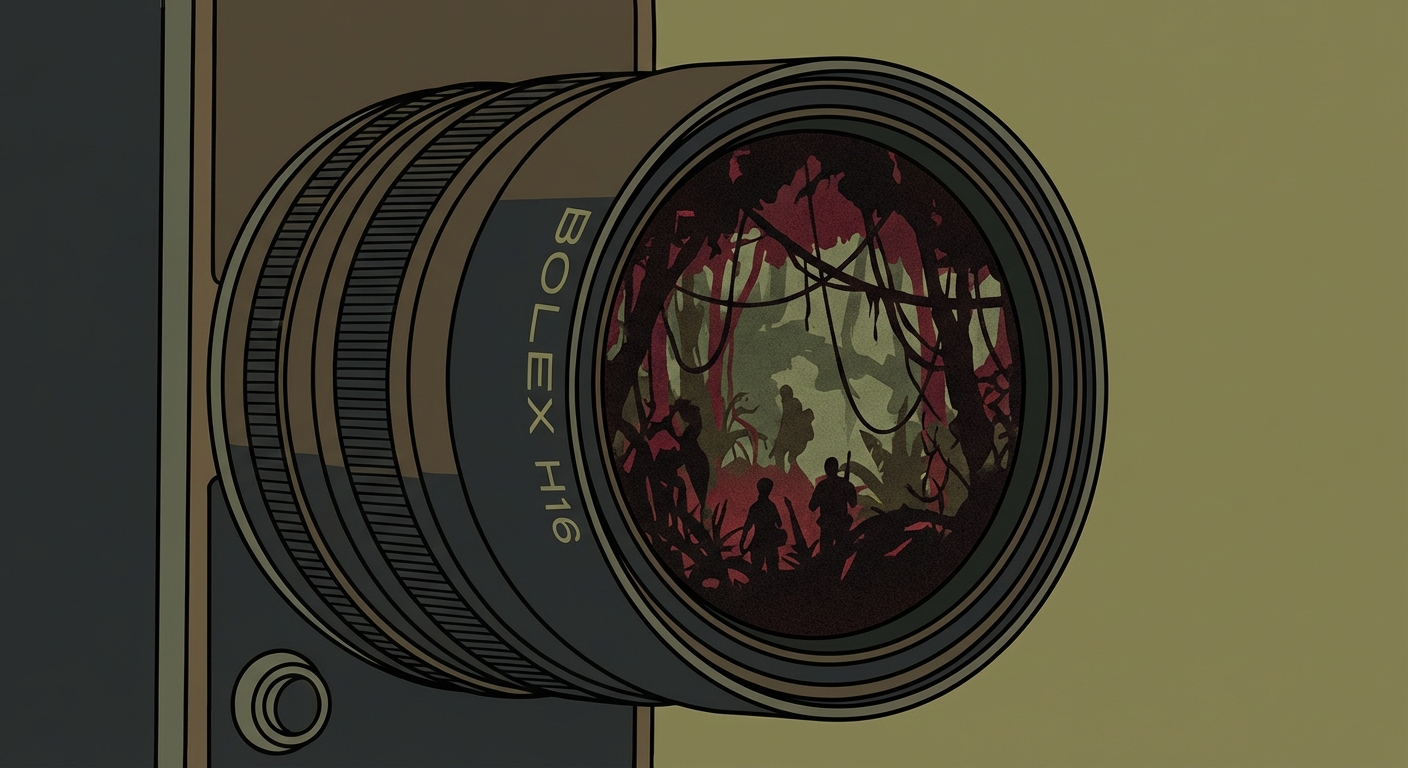
The notoriety of Cannibal Holocaust is a rare beast in the 2026 horror landscape. In an era where digital effects can replicate any nightmare imaginable, the film’s grainy, 16mm aesthetic still feels dangerously, uncomfortably authentic. We keep talking about it because it weaponized the "missing footage" trope long before The Blair Witch Project turned it into a commercial juggernaut.
If you want to see how it stacks up against the current crop of genre-defining hits, the Rotten Tomatoes 2026 Horror Guide offers a fascinating contrast. It highlights just how far modern directors have drifted, trading the raw, unpolished cruelty of the 80s for psychological finesse and high-budget atmospheric tension. But even with all that polish, nothing quite matches the grime of Deodato’s vision.
The Context: Was the Controversy Merited?
When Deodato dropped this film, the backlash was something else. He was met with a level of hostility rarely seen in cinema history. The premise—a rescue team recovering the reels of a lost documentary crew—was so convincing that the film was banned in dozens of countries.
The "manufactured controversy" was actually a brilliant, if ethically bankrupt, marketing play. Deodato forced his actors to stay out of the public eye for months to "prove" they were actually dead, blurring the line between fiction and snuff. It was a dirty trick. But there is a distinction to be made: while the film is undeniably exploitative, it’s also a scathing—if deeply hypocritical—critique of the media’s appetite for tragedy. The controversy wasn't just about the violence. It was about the audience’s dawning realization that they were the ones fueling the destruction of the very subjects they were watching.
Plot Overview: A Descent into the Green Inferno
The narrative follows Professor Harold Monroe, an anthropologist sent into the Amazon to find a film crew that vanished while documenting indigenous tribes. What he discovers is a collection of footage showing the crew’s systematic abuse of the locals—a series of provocations that eventually lead to their own horrific demise.
The film splits its time between the "civilized" world’s search for the crew and the brutal, unfiltered reality of the "found" reels. It is a slow, suffocating descent into a setting that feels entirely indifferent to the suffering of those trapped within it.
How Does the Atmosphere and Sound Design Shape the Fear?
The true power of Cannibal Holocaust isn't in the blood; it’s in the juxtaposition. Riz Ortolani’s haunting, melancholic score is the secret weapon here. It’s a sweeping, beautiful orchestral theme that feels entirely misplaced, creating a cognitive dissonance that makes the violence feel even more alien and wrong.
The silence of the jungle is also weaponized. Instead of the jump-scares that define modern slasher films, Deodato relies on the agonizing pacing of the "found" sequences. The camera doesn't cut away. It lingers. It forces you to acknowledge the physical weight of what’s happening, manipulating your pulse through sheer, unadulterated endurance.
Is the "Notorious" Factor Just Shock Value or Artistic Merit?
This is the great debate that has raged for four decades. If you dismiss the film as mere shock value, you’re missing the point. The film frames the "civilized" Western crew as the true monsters, challenging the viewer to reconcile their own interest in the film with the moral bankruptcy of the characters on screen.
When weighed against the standards set by Roger Ebert’s Great Movies List, Cannibal Holocaust clearly falls short of "greatness" in the traditional sense. Yet, it possesses a singular, jagged vision that makes it an essential—if repulsive—study in film history. It is a work of art that seems to actively hate its audience, and there is a strange, dark integrity in that.
Deconstructing the Tropes: How Cannibal Holocaust Challenges Modern Expectations
The film subverts the traditional protagonist arc by ensuring there are no heroes. While we often analyze the "Final Girl" in our Definitive Guide to Horror Tropes, Cannibal Holocaust predates the polished evolution of the survivor archetype. It offers a nihilistic void where morality is a luxury nobody can afford.
The "Watchability" Index: Can You Handle It in 2026?
Modern viewers are accustomed to high-definition gore, but Cannibal Holocaust hits differently because of its documentary-style grit. It feels dirty. It feels illegal. Before you hit play, consult the IMDb Parent Guide to understand the specific triggers involved. It is not for the faint of heart.
| Feature | Rating (1-10) | Notes |
|---|---|---|
| Psychological Dread | 9/10 | The hopelessness is absolute. |
| Visceral Violence | 10/10 | Graphic, realistic, and deeply unpleasant. |
| Pacing | 6/10 | Deliberate, slow, and often meditative. |
| Animal Cruelty | 10/10 | The most difficult aspect for modern viewers. |
The Verdict: A Masterpiece or a Misstep?
Cannibal Holocaust is a film that you watch once, regret, and never forget. It isn't a masterpiece in the traditional sense, but it isn't a simple mistake, either. It is a landmark of exploitation cinema that demands to be studied rather than enjoyed.
If you are a student of the genre or interested in the Top 10 Cult Classics of the Decade, this film provides the essential context for why the industry eventually moved toward the regulated, safety-conscious production models we see today. It remains a raw, bleeding nerve of a movie. Caution is not just recommended; it is mandatory.
Frequently Asked Questions
What makes Cannibal Holocaust so notorious compared to other horror movies?
The film is notorious because it successfully convinced the public that it was a real-life snuff film. Unlike standard horror that relies on supernatural threats, this film’s dread is entirely internal and psychological, stemming from the realization that human beings are capable of the atrocities depicted on screen.
Is Cannibal Holocaust just shock value, or does it have artistic merit?
It is a blend of both. While it utilizes extreme imagery to provoke a reaction, its structure as a critique of media exploitation and the arrogance of Western interventionism provides a layer of thematic depth that has influenced generations of filmmakers.
Where can I stream Cannibal Holocaust legally in 2026?
Availability shifts frequently, but it is often hosted on boutique streaming services like Shudder or specialized cult-cinema platforms like Arrow Player. Always check local listings to ensure you are accessing a licensed, high-quality transfer.
How does Cannibal Holocaust hold up for modern audiences?
The pacing is much slower than modern horror, which some viewers may find dated. However, the themes of media ethics and the "documentary" aesthetic feel more relevant than ever in our current age of constant content creation and digital voyeurism.