Understanding the Impact of AI in Modern Storytelling

TL;DR
- AI has evolved from novelty generation to clinical, predictive narrative architecture.
- A three-layered tech stack optimizes stories for maximum emotional impact and engagement.
- Human-in-the-loop orchestration is essential for injecting soul into algorithmic content.
- Emotional Resonance Index is the new gold standard for measuring audience engagement.
- Data-driven storytelling bridges the gap between cold metrics and human connection.
We’ve officially graduated from the honeymoon phase of generative AI. You remember the novelty, right? The "look at this cool poem a robot wrote" phase? That’s dead. In 2026, nobody cares if an AI can write a story. The only question that matters is whether it can engineer one that actually hits you in the gut.
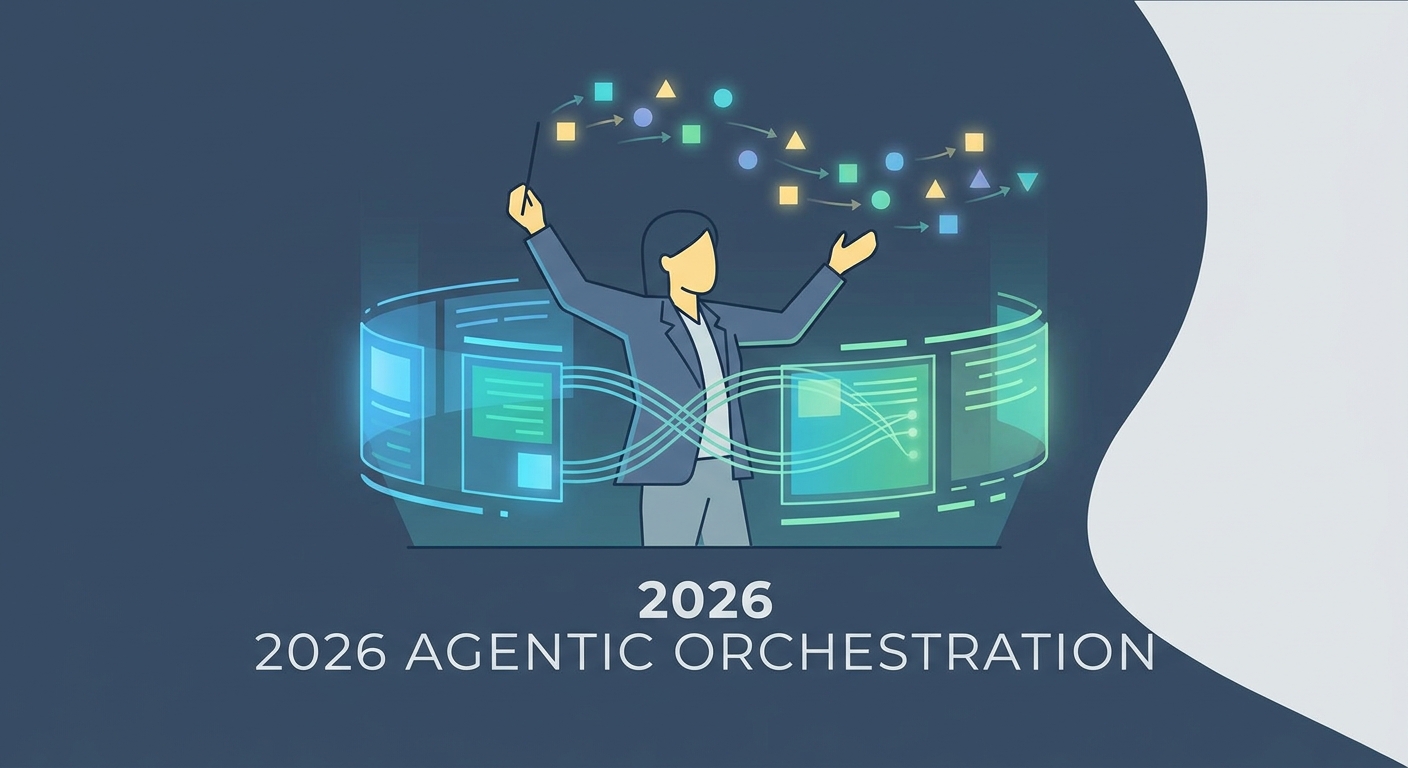
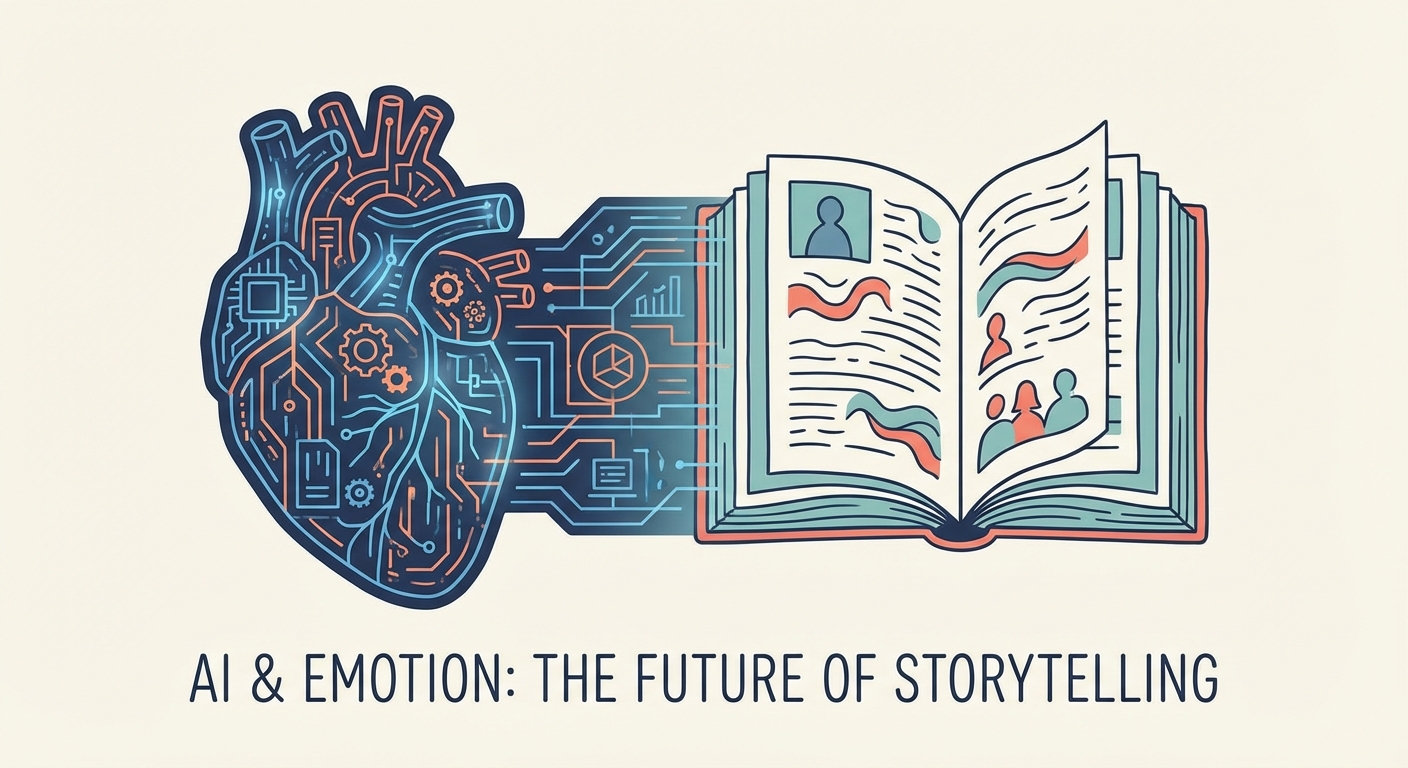
The industry has moved on from playing with chatbots. We’ve entered the age of clinical, predictive narrative architecture. We’re talking about "Authentic Intelligence"—a fancy way of saying we’re using massive datasets to map the human heart, while keeping a human hand on the steering wheel. AI isn't here to replace the storyteller. It’s a digital tuning fork. It helps us find that sweet, resonant frequency where cold data finally meets a warm pulse.
The AI Storytelling Stack: Looking Under the Hood
If you’re still relying on gut instinct to guide your narrative arcs, you’re flying blind. To build a story that actually sticks, you need the right tech stack. We’ve moved away from "throwing things at the wall to see what sticks" and toward a three-layered approach that turns raw content into a high-octane engagement engine.
First, you’ve got the Emotion Recognition Layer. This is your sensor array. By using Hume AI, creators can map audience sentiment with terrifying accuracy. You know if your tone is landing before you’ve even typed the first paragraph. Second, there’s the Predictive Narrative Engine. Think of this as your editor-in-chief, analyzing decades of performance data to suggest pacing, tension, and resolution beats that actually keep people watching. Finally, there’s the Human-in-the-Loop (HITL) Orchestration. This is the non-negotiable part. This is where the strategist injects the grit, the weirdness, and the soul that no algorithm can fake.
This stack isn't about guessing. It’s the difference between firing an arrow into a pitch-black forest and using a laser-sighted scope.
Why the "Emotional Resonance Index" is the Only Metric That Matters
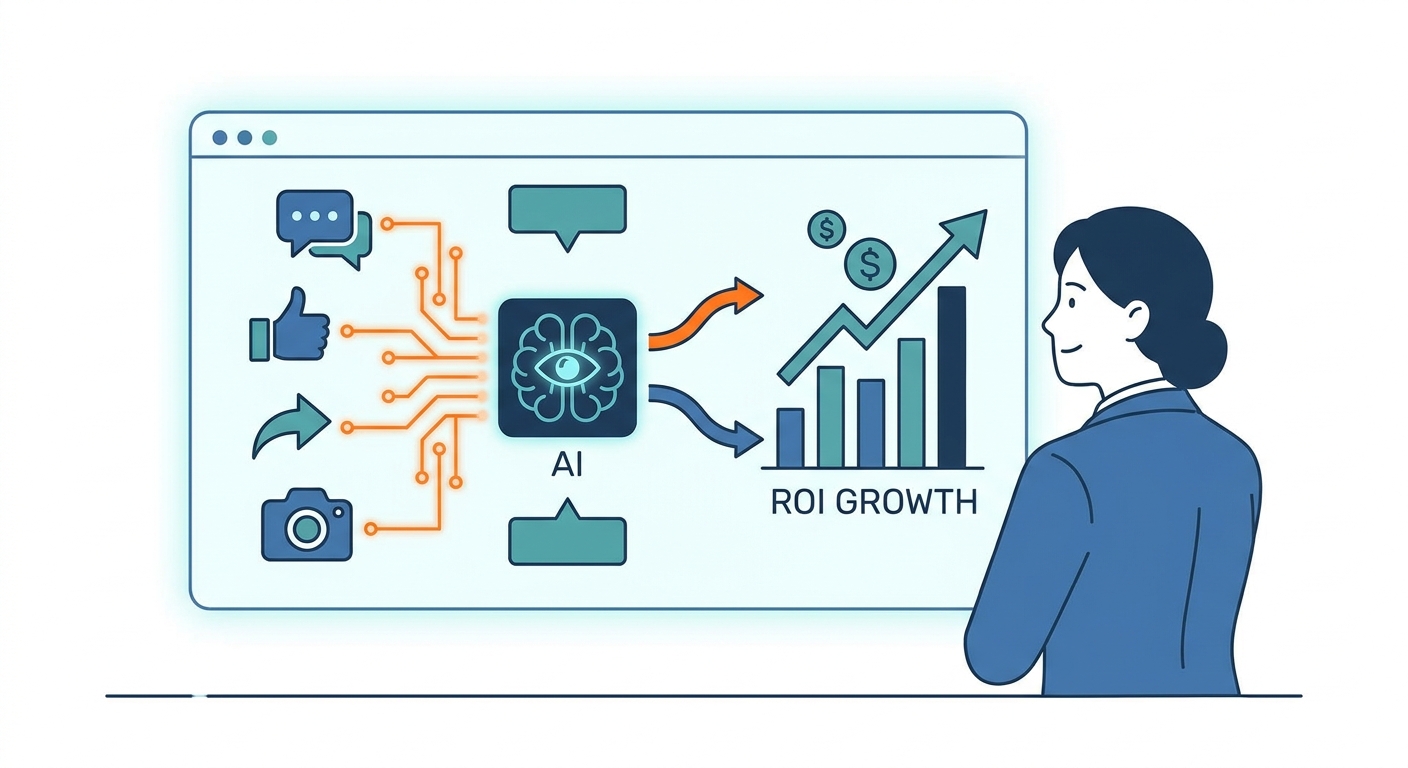
Let’s be honest: vanity metrics are dead. Clicks? Impressions? They’re just noise in a crowded room. In 2026, the only currency that matters is the Emotional Resonance Index (ERI).
According to MIT Sloan Review’s insights on 2026 trends, the brands winning the game aren't the ones with the most reach; they’re the ones with the highest "Narrative Retention Time." They don't care if you saw the ad. They care if the ad made you feel something.
ERI tracks the correlation between your story’s beats and the audience’s emotional spikes. If you’re trying to inspire, does the sentiment actually trend toward hope? If you’re ignoring these indices to chase raw volume, you’re sacrificing loyalty for a quick hit. Data isn't the enemy of emotion. It’s the map that leads you to it.
The "Authenticity Premium": Why Humans Still Rule
There’s a massive sense of fatigue out there. The internet is drowning in synthetic, soulless slop. Over half of all users—52%—are actively suspicious of anything that looks like it was churned out by a machine. They can smell the "uncanny valley" from a mile away.
This has created an "Authenticity Premium." People are starving for flaws. They want the lived-in, messy, gritty reality of human storytelling. This is exactly why the "Human-in-the-Loop" (HITL) model is the only way to build long-term trust.
AI is a beast at building the bones—the structure, the research, the formatting. But it can’t provide the soul. It can’t tell a story about a failed product launch with the self-deprecating, razor-sharp humor of a CEO who’s been through the wringer. If your brand is stuck in the middle, trying to balance efficiency with empathy, our Content Strategy Services are built to bridge that gap. You use the AI for the heavy lifting, and you let the humans handle the final, soulful edit.
The Workflow: Scaling Without the Soul-Crushing Sameness
Efficiency doesn't have to mean homogenization. You can scale production without sounding like a robot if you have a disciplined "Prompt-to-Story" workflow.
Here is your playbook:
- Data-Driven Audience Mapping: Before you write, ask your AI to synthesize what your audience is actually worried about. What are they celebrating? What’s keeping them up at night?
- AI-Assisted Arc Drafting: Let the engine plot your narrative. Ensure you have a clear hook, rising tension, and a resolution that actually delivers on the promise of your headline.
- The Human Edit: This is the non-negotiable phase. Inject your brand’s specific anecdotes, interview clips, or personal observations. If the text feels too smooth, too perfect, too "corporate"—cut it. Imperfection is the new luxury.
How to Sound Like You in a Sea of Sameness
The biggest fear for modern marketers? The "sea of sameness." If everyone is using the same LLMs, how do you keep your edge?
The answer is Creative Orchestration. You don't just prompt the model; you train it. Feed it your brand guidelines, your past wins, your specific lexicon, and the weird stuff that makes your company unique.
Take the "Aurion" automotive pivot as a masterclass. They were in a dying market that felt cold and overly technical. They used AI not to write their ads, but to identify the exact sentimental triggers of their premium buyers. By using AI to predict which human stories would land, they maintained an emotive, high-end voice while scaling across global regions. If you want to see how this looks in practice, we’ve documented several success stories where brands threaded this needle perfectly.
And don't forget the visual side. Using tools like RunwayML ensures your visual tone matches your written content, keeping your brand identity cohesive even when you’re moving fast.
The Ethical Imperative: Transparency Wins
The anti-AI backlash isn't just a trend; it's a warning. In 2026, transparency is your strongest differentiator. If you’re using AI, just own it. Audiences don't hate tech; they hate being lied to.
Lean into the "Ethical Storytelling Checklist" for every campaign:
- Source Verification: Did we double-check the AI’s factual assertions?
- Human Oversight: Did a real person review the final draft for tone and nuance?
- Disclosure: Is the use of AI transparent?
- Value-Add: Does this piece provide something a human couldn't have found in a 30-second Wikipedia scan?
When you lean into these standards, you stop using AI as a crutch and start using it as an asset that actually builds trust.
Frequently Asked Questions
Does using AI make storytelling feel robotic?
It only feels robotic if you stop at the AI’s first draft. AI provides the structure and the research, but it lacks the lived experience and emotional context of a human. The "robotic" feel comes from laziness; the "human" feel comes from the edit.
How do I maintain my unique brand voice when using AI tools?
Treat your AI as a junior copywriter. You must feed it your best past work, your style guides, and explicit examples of your brand’s "voice." If you treat it like a search engine, you’ll get generic results. If you treat it like an extension of your creative team, you’ll get consistent, high-quality output.
Are audiences going to stop trusting brands that use AI?
They will stop trusting brands that use AI deceptively. Transparency is the antidote to distrust. If you are honest about how you use technology to improve your service or storytelling, audiences are generally willing to engage. It is the attempt to pass off synthetic content as "authentic" that triggers the backlash.
What is the most important metric for AI-driven stories in 2026?
The Emotional Resonance Index (ERI). Stop counting clicks. Start counting how many people engaged with your story until the end—and more importantly, how they felt while doing it.