What is social media autopilot? How AI posting works (and where to keep a human)
Social media autopilot uses AI to plan, draft, schedule and publish posts. Learn how the loop works, platform AI rules, and where a human must stay in charge.
Autopilot & AI
If you’re still dragging grainy stock images into a basic editor and slapping white text over them, you aren’t just behind the curve. You’re invisible.
In 202 Alex ChenAI Content StrategistPublished 5 min read
If you’re still dragging grainy stock images into a basic editor and slapping white text over them, you aren’t just behind the curve. You’re invisible.
In 2026, the barrier to entry for high-quality, culturally resonant content has collapsed. It’s been replaced by a "hybrid" workflow—a divide between the amateur "slop" posters and the pros who actually command attention. Using an AI meme generator today isn't about letting a machine do your thinking. It’s about building a creative force multiplier that turns raw, human-led concepts into high-fidelity visual assets that platforms actually want to push.
The numbers aren't lying. The meme economy has ballooned into a $6.1 billion powerhouse because it’s the only form of advertising that people actually want to see. They hunt for it. They share it. They save it.
According to The State of Meme Marketing 2026 Report, memes consistently nail a 19% click-through rate. Compare that to the sad 6% average for standard display ads.
This isn't just about punchlines; it’s about "Active Creative Participation." Audiences are tired of being sold to, but they love being part of a cultural inside joke. When you tap into that, you stop being a brand that interrupts the feed and start being a brand that defines it. If your strategy relies on static, uninspired creative, you’re ignoring the most potent engagement engine of the decade.
There’s a massive misconception floating around: The algorithm hates AI.
That’s wrong. The algorithm doesn't hate AI. It hates "slop"—that low-effort, low-resolution, repetitive junk that clogs up servers and bores users to tears. If you aren't careful, you’ll trigger the "Great Meme Reset," where platforms like TikTok and Instagram apply a 35–45% reach penalty to content they flag as low-quality AI generation.
The secret to survival? Transparency.
By utilizing TikTok's AI Content Labeling Policy and similar native disclosure tools, you signal to the platform that your content is meant for humans. Some creators panic, thinking this will tank their reach. The data says otherwise. Self-labeled AI content typically sees only a 5–8% dip in reach. Compare that to the crushing 45% shadowban that hits when the platform’s automated systems catch you trying to hide your process.
Work with the algorithm. Don’t try to outsmart the house.
Forget the one-size-fits-all generators. You need a specialized kit.
The "Hybrid Strategy" is how you scale. Never ask an AI to "make a meme." That’s how you get slop. Instead, use AI to build the individual components of a story you’ve already storyboarded.
The heavy hitters use a "Stacked Workflow": generate your base character assets in Midjourney, animate those assets in Viggle to capture the right emotion, and then pull them into a human-centric editor like CapCut or InShot. That’s where you add the "human touch"—the specific text overlays, the trending audio sync, and the pacing that AI timing simply can’t replicate.
graph LR
    A[Midjourney: Base Asset Generation] --> B[Viggle: Character Animation]
    B --> C[CapCut/InShot: Text Overlay & Audio Sync]
    C --> D[Platform Labeling: AI Disclosure]
    D --> E[Viral Distribution]

    style A fill:#f9f,stroke:#333,stroke-width:2px
    style B fill:#bbf,stroke:#333,stroke-width:2px
    style C fill:#bfb,stroke:#333,stroke-width:2px
    style D fill:#fbb,stroke:#333,stroke-width:2px
    style E fill:#ddd,stroke:#333,stroke-width:2px
By keeping the final edit in a human-centric tool, you maintain the "cultural fluency" required to trick the algorithm into seeing your content as a high-value, human-curated piece of media. For a deeper dive into the broader picture, read how to build a viral content strategy in 2026.
The biggest mistake I see? Relying on "prompt-only" memes.
Type "a funny meme about Mondays" into a generator, and you get a dry, cliché result that nobody will share. Cultural nuance is the lifeblood of a viral meme.
The best tools in 2026 allow for custom template uploads. Use your own photography or branded illustrations and use AI to modify them, not replace them. When you feed the AI your own context, you maintain a level of brand consistency that generic models can't touch. If you're using AI as a crutch, you’re failing. Use it as a paintbrush.
The "Creative Multiplier" philosophy is simple: use AI to iterate, not to dictate.
Instead of mass-producing 50 memes and praying one sticks, generate five high-effort concepts. Test them. Then, use the AI to create variations based on the highest-performing elements.
Quantity-first creators are destined to be labeled as "slop" and relegated to the bottom of the feed. Quality-first creators use the speed of AI to refine their vision, ensuring that every frame, every caption, and every beat is optimized for the audience. You aren't a factory. You’re a curator who moves at the speed of light.
Not necessarily. While premium subscriptions offer higher limits, the 2026 landscape is dominated by pay-per-use dashboards. These allow you to access high-end models like Sora 2 or Kling 3 without a monthly commitment, meaning you only pay for the compute power you actually use to build your viral assets.
The best defense is active compliance. Use the native "AI-generated" toggles provided by the platforms. While you might worry about a reach hit, the 5–8% reduction from labeling is a small price to pay to avoid the 45% algorithmic penalty that comes from being flagged as "hidden" or "low-quality" AI slop.
Think of an AI generator as your digital artist, and a standard editor as your layout designer. The generator creates the raw, high-fidelity visual assets from scratch, while the editor (like CapCut) is where you apply the human-centric text, timing, and audio syncing. A 2026 workflow requires both to be effective.
Absolutely. The data is clear: video-based memes, particularly those utilizing character animation, drive 5–10x more engagement than static images. In a feed dominated by fast-scrolling, motion is the most effective way to force a thumb to stop.
Social media autopilot uses AI to plan, draft, schedule and publish posts. Learn how the loop works, platform AI rules, and where a human must stay in charge.
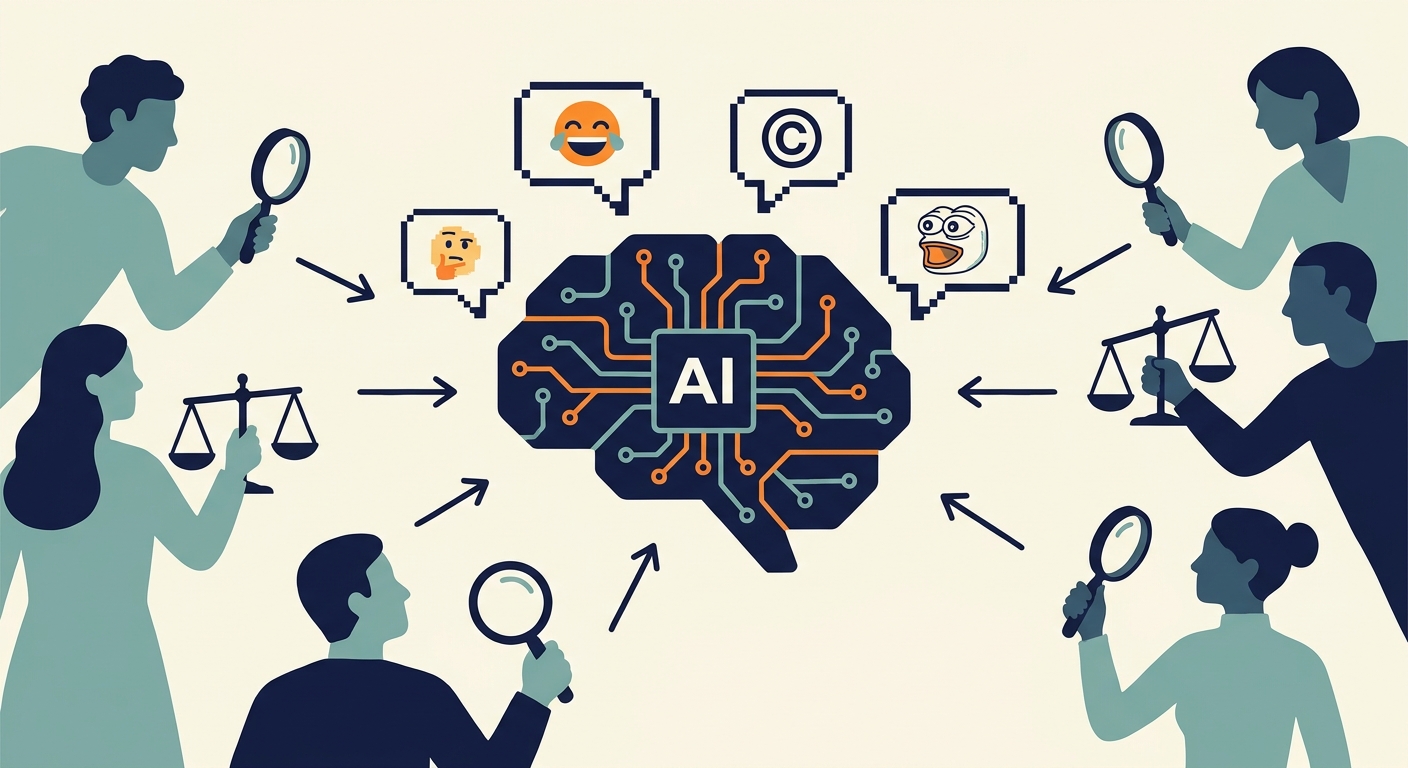
The internet was built on the back of the "remix"—a chaotic, beautiful, and often legally precarious exchange of cultural artifacts. It’s the digital equivalent
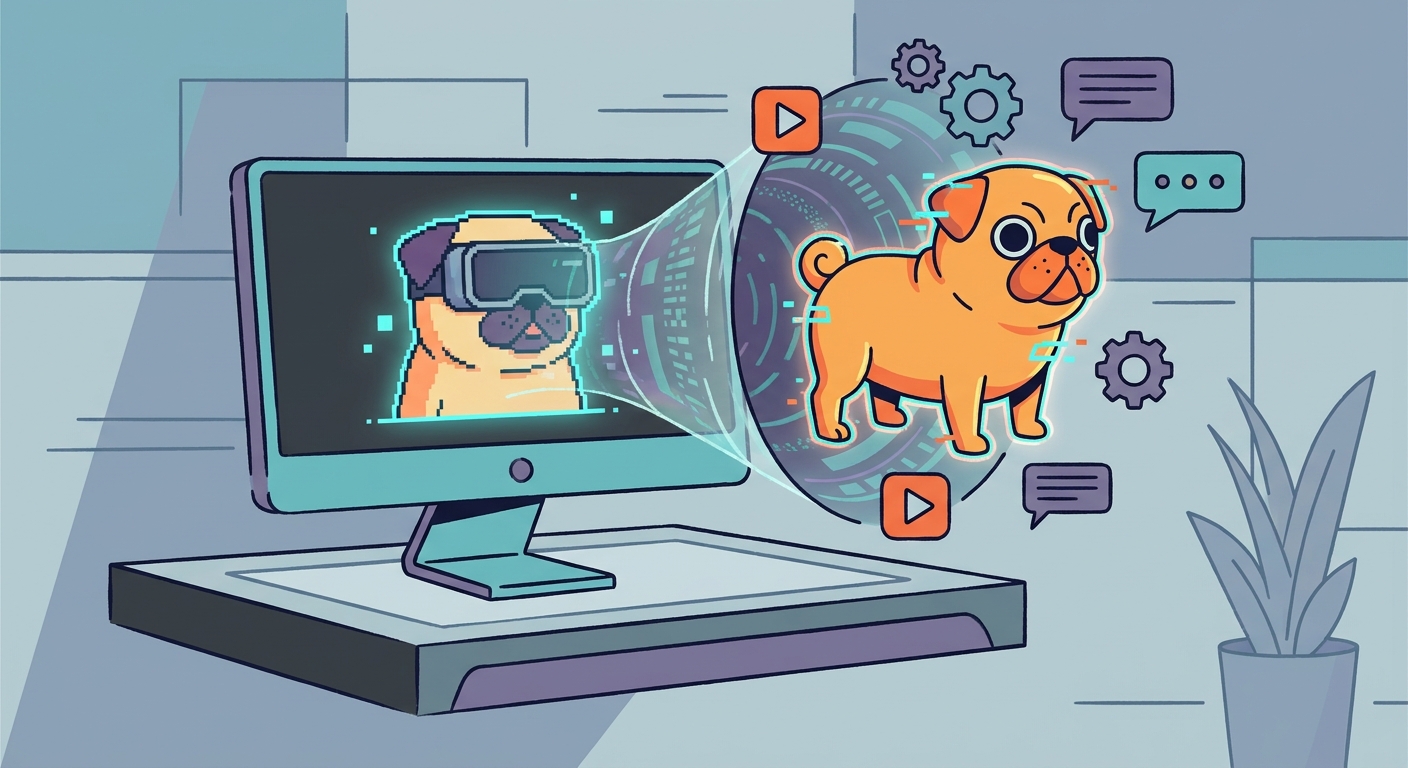
The "Distracted Boyfriend" template is officially six feet under. If you’re still pushing out static images and dusty stock photography to grab attention in 202
Social9 schedules your posts on 11 networks, and Autopilot can draft them in your brand voice for you to approve. Start on the free plan.
We use strictly necessary cookies to run this site. With your permission, we also use analytics cookies to understand how the site is used. We never use advertising cookies. See our Cookie Policy.