What Are AI-Generated NFTs and Why You Need an AI Creation Tool

Forget everything you thought you knew about launching a digital collection. The days of spending six months hunched over a tablet, drawing layer after layer until your wrist gives out? They’re over.
In 2026, the barrier to entry has effectively evaporated. You don’t need to be a master illustrator to launch a successful project. You just need a vision. The modern NFT creator is a "creative director." You aren't building brick-by-brick anymore; you’re using generative tools to iterate, refine, and deploy high-quality collections that would have once required an entire studio and a small fortune.
The Shift: From Manual Labor to Digital Architecture
We’re living through a massive pivot in how digital value works. For years, the NFT space was a grind. It was all manual labor—artists sketching traits, compositing layers in Photoshop, and praying the style remained consistent across 10,000 items.
That era is buried. The marriage of Generative AI and blockchain technology has democratized the ability to build massive, cohesive digital brands.
This isn’t about just churning out images. It’s about the "Creator-as-Curator" model. Your value isn't tied to your ability to draw a perfect pixelated eye. It’s tied to your taste, your ability to guide AI models, and your capacity to weave a narrative. You’re building a brand, not just a gallery. If you’re still fuzzy on how the plumbing works, this guide on understanding blockchain technology is the best place to get your bearings on the infrastructure that makes these assets immutable.
2026 is the year the "technical friction" of coding an NFT died. If you have a vision, you can ship.
What Actually Is an AI-Generated NFT?
Strip away the hype, and you’re left with two things: the asset and the contract.
First, the asset: thousands of unique characters or pieces generated by an AI model trained on a specific aesthetic. Second, the smart contract: the code on the blockchain that defines supply, rarity, and ownership rights.
When you use AI, you aren't just hitting "randomize" and hoping for the best. You’re setting the guardrails. You control the metadata—those specific attributes that dictate which items are common and which are legendary. By weaving these traits into the generative process, you ensure the rarity is mathematically sound. That’s not just tech; that’s market logic.
The Workflow: Hand-Carving vs. Industrial Precision
Think of the difference between traditional art and AI-assisted workflows like building a house. The traditional way is hand-carving every single brick. The AI way is using industrial-grade, pre-fab components that you assemble with surgical precision.
In a manual setup, the artist is the bottleneck. In an AI workflow, your intent is the bottleneck. You spend your energy on prompt engineering and curating the output, ensuring every piece feels like it belongs to the same universe.
Why Scalability is the "Holy Grail"
The "10,000 PFP" (Profile Picture) drop is still the gold standard for community projects. But let’s be real: trying to draw 10,000 unique, cohesive assets by hand is a recipe for burnout. It’s a logistical nightmare that almost always leads to inconsistent quality.
By training proprietary models on your own artistic style, you achieve a level of brand consistency that’s nearly impossible to replicate manually. As highlighted in the State of Generative AI 2026, the tools we have now allow for rapid iteration cycles. You can keep your audience engaged because you aren't waiting months for a design pass. Scalability here isn't just about volume; it’s about scaling your creative soul without losing the plot.
The Art of "NFT-Ready" Prompting
If you’re using generic prompts, you’re going to get generic results. "NFT-ready" prompting is a technical skill. You have to think about aspect ratios—usually square for PFPs—and seed consistency.
You need to act like a film director. Define the lighting, the color palette, and the character anatomy in the prompt itself. And then? Be ruthless. The human element is the final line of quality control. You’re the curator. If an AI output doesn't fit the story, it goes in the trash. That curation is exactly what makes your collection stand out.
Why You Need an AI Creation Tool
The biggest hurdle for most creators isn't the art—it's the smart contract. You can generate 1,000 legendary images, but if you can't deploy them to the blockchain, they’re just JPEGs on your hard drive.
This is where a no-code AI NFT generator becomes mandatory.
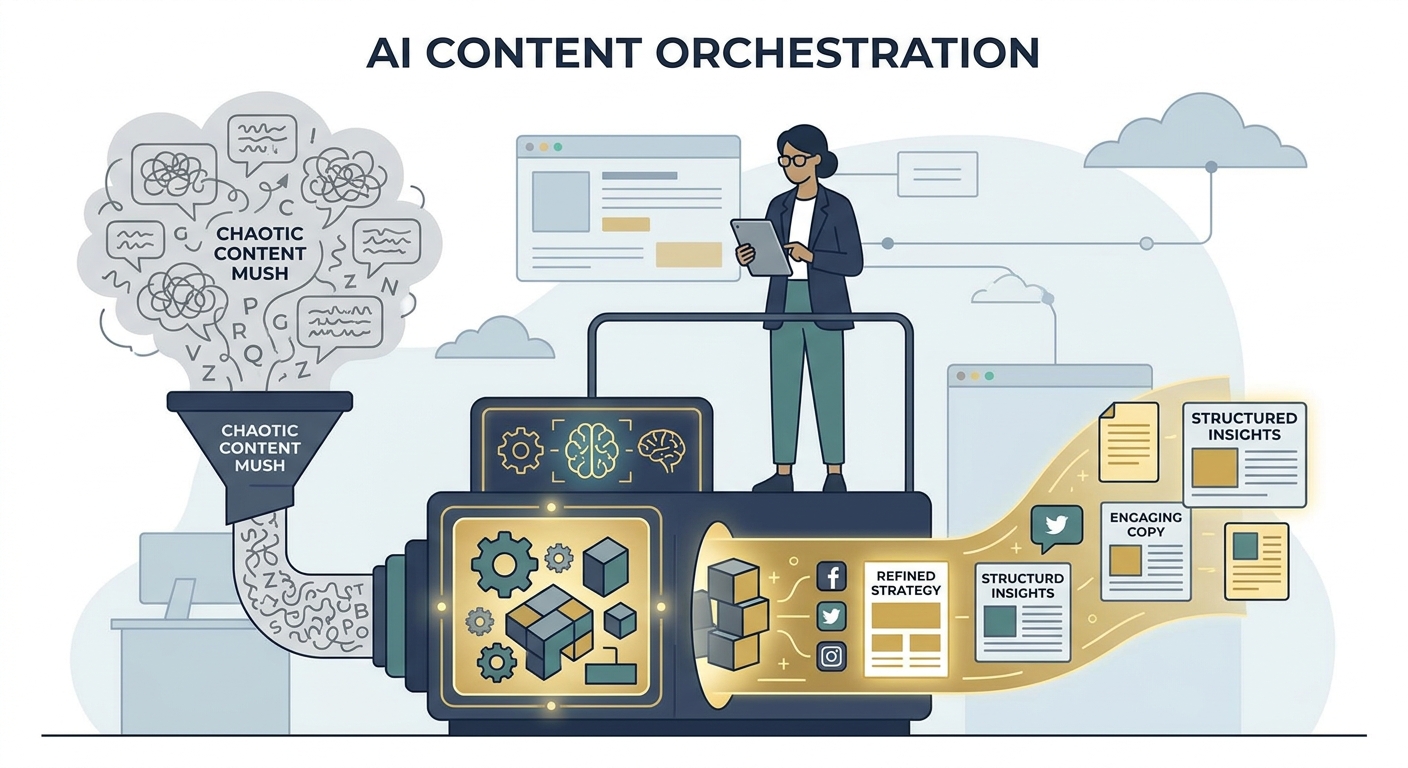
These tools do the heavy lifting. They bridge the gap between your curated images and the blockchain by automatically generating the JSON metadata and the smart contract infrastructure. You save hundreds of hours of developer time. That means you can stop debugging code and start doing what actually moves the needle: marketing, community building, and roadmap development.
Addressing the Skeptics
Look, the debate over "AI-generated" vs. "Human-made" art is tired. Every time a new tool comes along—from the paintbrush to the digital tablet—the gatekeepers complain. AI is just the next step.
The "soul" of an NFT project isn't in a brushstroke. It’s in the human curation, the narrative, and the community you build. Transparency is your best friend here. Be open about using AI. If you're worried about the legal side of things, this AI Art Ethics Guide is a great resource to help you understand the current reality of IP and digital ownership.
Case Study: Concept to Launch in One Hour
Let’s talk numbers. Imagine you want to launch a "Cyber-Botanical" creature collection.
- The Old Way: Hire illustrators, coordinate styles, manage layer files, and wait weeks for production.
- The New Way: Prompt a base model for consistent traits, curate 1,000 high-res images in an hour, and use a no-code tool to deploy.
The cost-effectiveness is staggering. By cutting out the middleman, you drastically lower your overhead. That budget can now go toward marketing or community rewards. If you’re curious about how the math works for your own project, reviewing our pricing and features will show you just how quickly you can bridge the gap from concept to launch.
Your New Role: The Digital Architect
The role of the artist has evolved into something far more powerful: the digital architect. You aren’t just drawing; you’re designing a system. With the right AI tools, you have the power to build, scale, and own your creative vision in ways that were pure science fiction a few years ago.
Stop drawing. Start directing. Build the collection.
Frequently Asked Questions
Do I need to be a professional artist to create AI-generated NFTs?
No. The modern NFT landscape favors those with a strong vision, curation skills, and the ability to prompt effectively, rather than those with manual drawing skills.
Are AI-generated NFTs considered "real" art?
Art is subjective. AI acts as a sophisticated collaborative tool where the human provides the creative direction, the narrative, and the curation, confirming these as legitimate digital assets.
Can I copyright AI-generated NFT art?
Copyright laws for AI-generated content are evolving rapidly. Generally, you own the rights to the collection and the minted assets through your smart contract, but it is advised to check your specific jurisdiction for the latest legal nuances.
How much does it cost to use an AI creation tool?
Many platforms offer freemium models. For professional, large-scale collections, subscription or per-mint fees are the standard, representing a fraction of the cost of traditional manual artistic labor.