Critique of a Controversial Horror Film: A Spoiler Discussion

TL;DR
- Examines why Acheron has become a polarizing, divisive horror film.
- Analyzes director Elena Vance’s use of metaphor over traditional narrative.
- Provides a spoiler-heavy breakdown of the film’s complex third act.
- Explains why the film’s flaws are intentional artistic choices.
Acheron isn’t a film you watch; it’s a film you endure. It sits in that rare, volatile space where high-concept ambition hits the brick wall of modern audience expectations, effectively becoming the year’s most aggressive lightning rod.
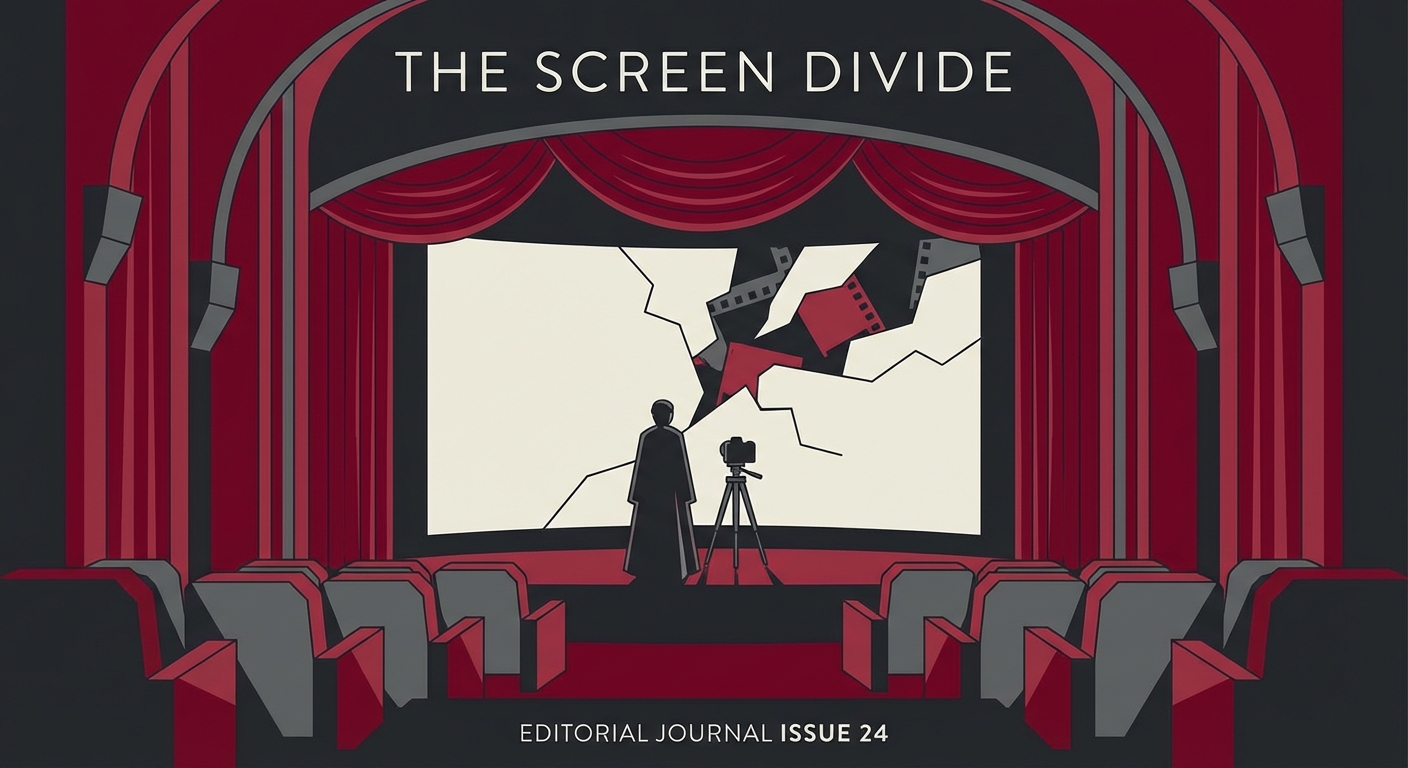
The production value? It screams prestige. It’s all velvet shadows, heavy atmosphere, and sound design that feels like it’s vibrating inside your skull. Yet, the audience reaction has been nothing short of a civil war. We’re witnessing a total divide: one camp hails it as a masterpiece of existential dread, while the other dismisses it as a pretentious, two-hour slog.
But here’s the truth the critics are missing: the flaws are the features. If you want a movie that holds your hand and delivers a tidy, red-bowed resolution, you’re looking at the wrong screen. Perfect horror is predictable. And predictable horror? It’s boring. Acheron is messy, it’s loud, and it refuses to apologize for the fact that it doesn't care if you "get it."
The Spoiler-Bridge: Are You Ready for the Deep Dive?
⚠️ DANGER: SPOILERS AHEAD ⚠️
The following analysis contains full plot revelations, including the final act, character deaths, and the specific mechanics of the film's ending. If you haven't seen Acheron yet, stop reading now. Go watch it, sit with your confusion, and come back when you’re ready to pick the bones apart.
Why Is Acheron So Divisive?
The friction here isn't just about the plot. It’s the chasm between what the director wants and what the audience expects. Director Elena Vance didn't set out to build a jump-scare engine; she set out to build a mirror. When you apply the principles found in Roger Ebert’s Guide to Film Criticism, it becomes clear that Vance is using the audience's patience as a weapon.
The viewers wanted a creature feature. They were promised a ghost story. What they got was a two-hour meditation on grief that just happens to feature a flayed entity living in the crawlspace. This mismatch is why the Letterboxd discourse is currently screaming into the void. If you want to see the sheer scale of the divide, check out the latest Letterboxd Discussion Thread where users are debating whether the film is a misunderstood classic or a vanity project that went off the rails. It’s a classic Rorschach test. Half the audience is just angry that they saw a monster instead of their own reflection.
Did the ending ruin the movie or elevate it?
- It was a pretentious, nonsensical mess.
- It was the only way to resolve the themes.
- I’m still too confused to have an opinion.
What Actually Happened in the Third Act? (Spoiler-Heavy)
To understand the final twenty minutes, stop looking for logic and start looking for metaphor. The "reveal" isn't that the protagonist, Sarah, was dead all along—that would be a cheap, tired trope. Instead, the reveal is that she was the architect of the entity.
- The Manifestation: The entity isn't an external threat; it’s a physical manifestation of Sarah’s repressed trauma from the prologue.
- The Logic Gap: Critics point to the fact that the entity interacts with other characters as a "failure of narrative logic." But within the rules of the film’s Understanding Horror Tropes framework, the entity acts as a contagion. It spreads through shared guilt.
- The Final Frame: When Sarah walks into the light of the burning house, she isn't escaping; she’s merging. The final shot of the entity’s eyes turning the exact shade of blue as Sarah’s is the ultimate confirmation: the "hero" and the "monster" are one and the same.
Did the Pacing Issues Kill the Tension?
The debate over the film's pacing usually boils down to a misunderstanding of what a "slow-burn" is supposed to do. Critics argue the second act stagnates. But "stagnation" here is a deliberate design choice. It mimics the numbness of clinical depression.
By refusing to provide the standard "rising tension" beats, Vance forces you to sit in the discomfort. If you felt bored, the film succeeded. You were experiencing exactly what the protagonist was experiencing: the agonizing weight of waiting for something—anything—to happen.
Is the Gore "Artistic" or "Gratuitous"?
There is a sequence in the basement involving a rusty pipe and a shoulder that has been making the rounds on social media as the "most gratuitous moment of 2026." But is it? Look at the gore as an extension of the film’s themes of decay. It moves from "shock value" to "visual poetry." It isn't there to make you wince; it’s there to make you acknowledge the fragility of the flesh. When violence is sanitized, horror loses its teeth. Acheron is toothy, jagged, and entirely unapologetic.
The Financial Reality: Performance vs. Critical Reception
Despite the polarized reviews, Acheron has been a financial juggernaut. According to The Numbers Box Office Data, the film has already tripled its production budget in its opening month. This proves a vital point: controversy is the best marketing tool in the modern horror landscape. People aren't going to the theater because they read a glowing review; they are going because they saw a tweet about how "messed up" the ending was and they needed to see it for themselves. The "divisive premium" is real, and studios are starting to take notice.
Where Does Acheron Stand in the Horror Canon?
History is kind to the controversial. Look back at films once reviled for their pacing or their endings—usually, they eventually become the benchmark for their era.
| Film | Theme | Controversy Level |
|---|---|---|
| Acheron (2026) | Manifested Trauma | Extremely High |
| The Thing (1982) | Paranoia/Isolation | High (at release) |
| The Witch (2015) | Religious Fanaticism | Moderate |
The Verdict: Is It Worth Your Time?
If you are "The Purist"—someone who demands tight narrative logic and clear-cut resolutions—you will likely walk away from Acheron feeling cheated. If you are "The Casual Fan," you might find the second act a test of your willpower. But if you are "The Gore-Hound" or someone who appreciates when a film pushes the boundaries of the medium, Acheron is a mandatory viewing experience. It demands to be discussed, dissected, and debated. For more thoughts on movies that dare to be different, check out our other film reviews.
Frequently Asked Questions
How do I write a spoiler-heavy review without ruining the film for new viewers?
The key is the "Spoiler-Bridge." Use a high-contrast, visual warning that serves as a non-negotiable threshold. By placing your most explosive analysis behind this barrier, you respect the reader’s agency, allowing them to opt-in to the deep dive only after they've made an informed choice.
What makes a horror movie "controversial" in 2026?
Today’s controversy is driven by the rejection of the "comfort-horror" trend. Films that prioritize experimental, high-concept storytelling over traditional genre expectations—like unexpected endings or non-linear pacing—inevitably clash with the audience's desire for predictable, franchise-friendly beats.
Is it better to review a movie immediately or wait until the hype dies down?
There is a trade-off. Reviewing immediately captures the "first-mover" search traffic and taps into the raw, immediate reaction of the zeitgeist. Waiting allows for a more "distilled" perspective, free from the noise of opening-weekend hysteria. The best approach? Do both. A short, visceral initial reaction followed by a long-form deep dive weeks later.
How do I balance objective film criticism with my subjective fear/reaction?
Don't try to strip yourself out of the review. The most compelling criticism happens at the intersection of the technical (cinematography, sound, pacing) and the visceral (how your heart rate spiked, where you looked away). Your reaction is a data point; use it to explain why the film worked or failed on a human level.