Understanding the AI-Powered Content Creation Craze: Risks and Rewards


The era of “AI experimentation” is officially dead. If you’re still treating generative AI like a parlor trick—using it to churn out quick social posts or testing its boundaries with weird, whimsical prompts—you’re already drifting into the rearview mirror.
Welcome to 2026. We’ve entered the "Operational Era." The competitive edge no longer belongs to the companies that simply use AI; it belongs to the organizations that have woven it into the very fabric of their enterprise-wide workflows. The gold-rush frenzy for sheer speed has cooled. In its place is a disciplined, almost surgical, focus on structural maturity. The goal now? Balancing the machine’s relentless velocity with the irreplaceable, messy nuance of human expertise.
Beyond the Hype: Why 2026 Is the "Operational Era"
For years, businesses treated AI like a shiny new toy. We played with it. We broke it. We marveled at it. But the novelty has worn off, replaced by the cold, logistical reality of operational requirements. According to recent insights on AI business adoption, the winners aren't the prompt-hackers anymore. They are the organizations that have moved past siloed, chaotic experiments toward centralized, governed systems.
Maturity in 2026 isn't about having the coolest chatbot; it’s about standardization. It’s about building repeatable, high-fidelity pipelines where the input—a strategic brief—is as sharp as the output. If your team is still "winging it" with LLMs, you aren't doing marketing. You’re just adding to the digital landfill. True integration means AI isn't a separate task or a "side project." It’s a silent, humming partner in the lifecycle of every asset you create.
The Triad: Velocity, Personalization, and Efficiency
When you stop treating AI as a magic wand and start treating it as a utility, you unlock three specific levers that were once impossible to manage at scale.
1. Velocity and Scaling
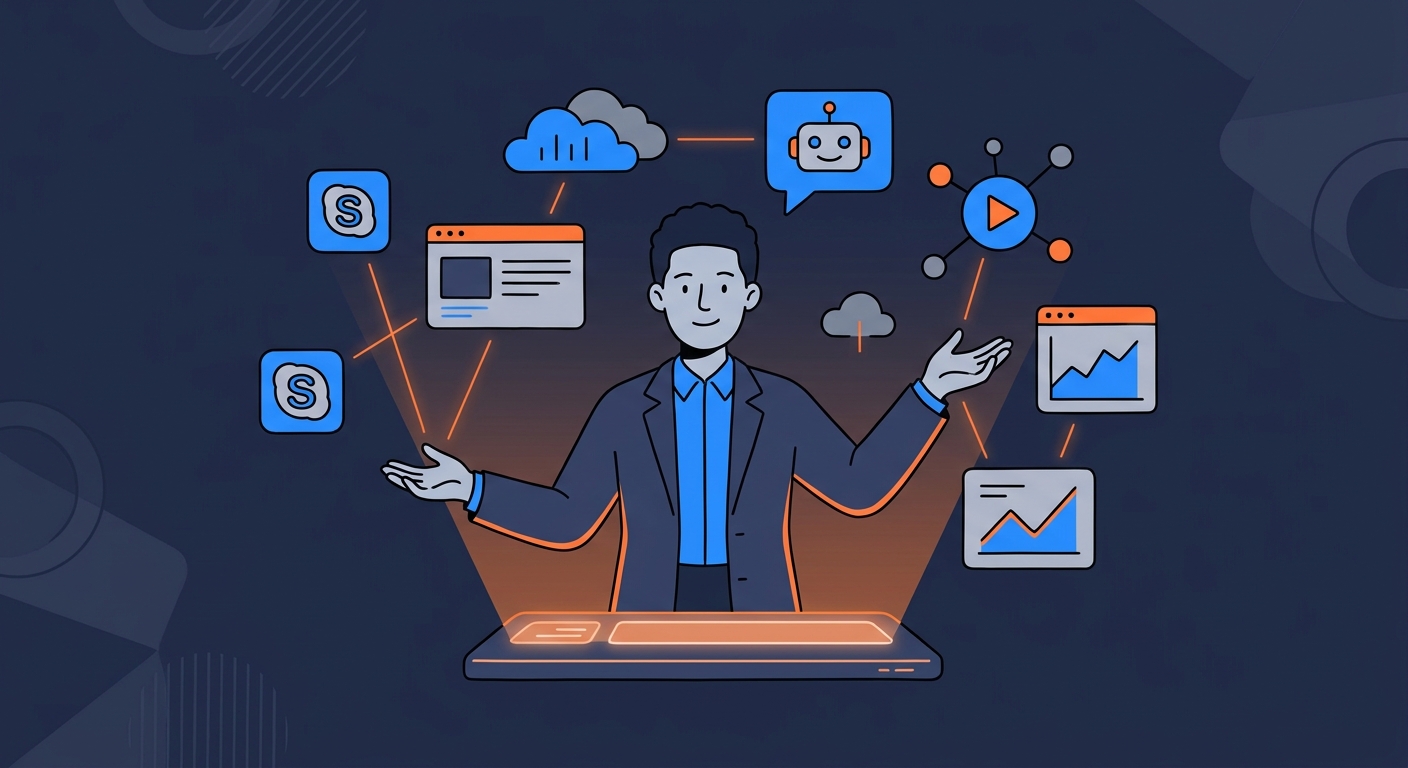
We’ve moved past the text-only phase. Modern workflows are multimodal. You take one high-level strategic brief and atomize it—instantly—into blog posts, video scripts, audio snippets, and visual assets. This isn't just about producing more content. It’s about maintaining a heartbeat across every channel where your audience hangs out. You aren't just loud; you're everywhere, consistently.
2. Hyper-Personalization
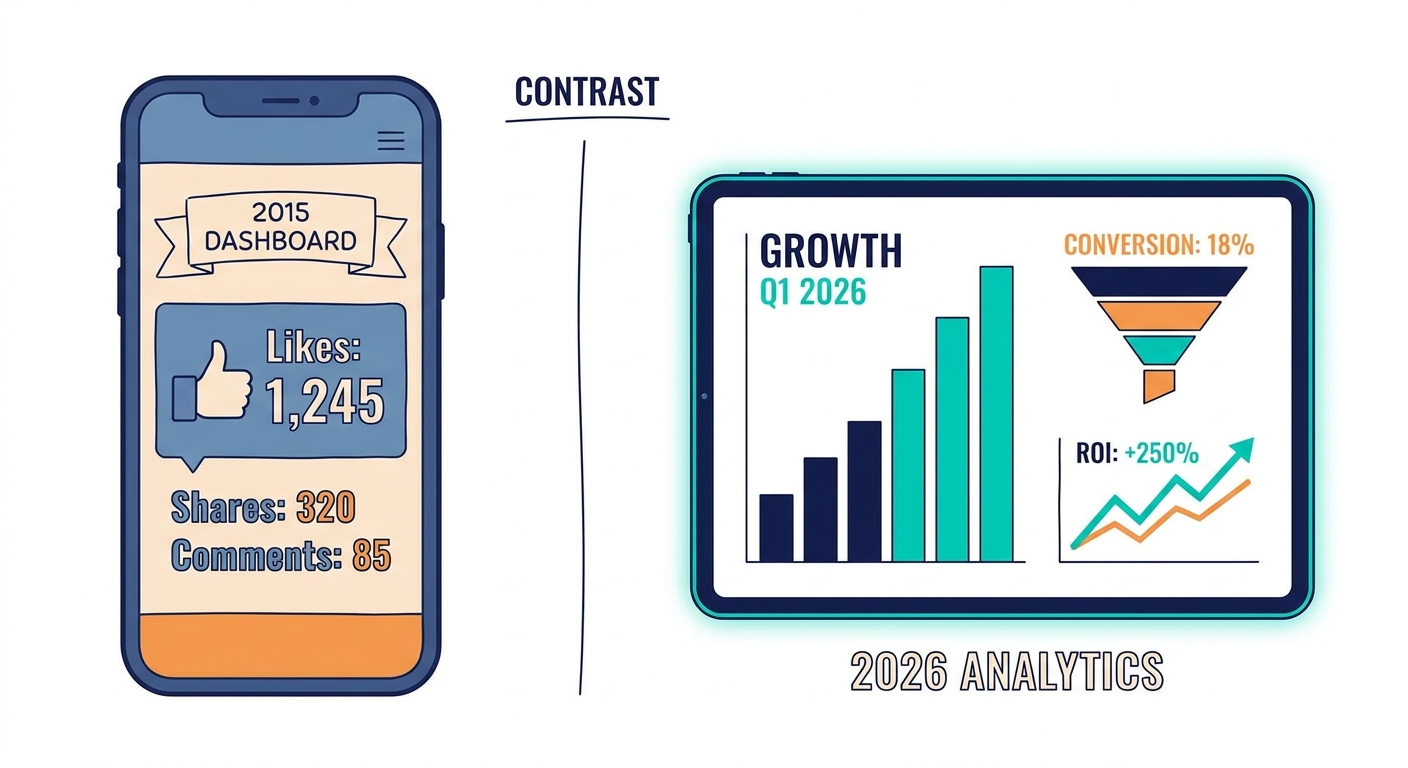
Predictive analytics have finally caught up. We’re moving away from the "one-size-fits-all" trap. By feeding actual audience data into your models, you can tailor content segments to specific pain points in real-time. Stop sending generic industry reports. Start generating content that speaks directly to the specific stage of the customer’s journey. Relevance is the only currency that matters today.
3. Operational Efficiency
The "blank page" is a productivity killer. By automating the grunt work—the research, the outlining, the initial formatting—AI clears the path for your human team to do what they actually get paid for: synthesizing complex ideas and injecting a brand-specific perspective. AI turns your writers into editors and your editors into high-level strategists.
The Hidden Risks: The "Mean" and the "Trust Gap"
The sirens of automation are seductive, but they carry a hidden cost. The biggest threat? Brand voice dilution.
When you let base models dictate your tone, you inevitably drift toward the "mean." You end up with flavorless, middle-of-the-road output that sounds exactly like every other company using the same software. You become background noise.
Then, there’s the "Trust Gap." As research on AI risks and bias highlights, the potential for hallucinations and baked-in bias remains a persistent threat to your reputation. In an era of rampant misinformation, an AI-generated error isn't just a typo. It’s a full-blown credibility crisis. If you skip the human verification step, your brand becomes a liability.
Building the "Human-in-the-Loop" (HITL) Workflow
The "Human-in-the-Loop" approach isn't just a suggestion; it’s your only insurance policy. The model is simple: AI handles the heavy lifting—the drafting, the formatting, the research—but a human expert acts as the final, uncompromising gatekeeper.
Governance is everything. Your team must treat AI output as a rough draft that demands "brand injection." This means cross-referencing facts against your proprietary data, tweaking the tone to match your specific brand guidelines, and gutting the robotic, repetitive phrasing that plagues LLM outputs.
Are You Ready for Generative Engine Optimization (GEO)?
The SEO playbook from three years ago? Throw it out. It’s obsolete.
We’ve shifted from traditional search—where you fought for blue links on a SERP—to Answer Engine Optimization (AEO). When a user asks Perplexity or Gemini a question, they aren't hunting for a list of links. They want a definitive, summarized answer. Right now.
To win here, you must structure your data for the machine. Focus on direct answers, crystal-clear definitions, and high-authority citations. If your content is vague or hidden behind walls of marketing fluff, the AI will ignore you. You need to position your brand as the primary source of truth for your niche. You can learn more about how this shifts the landscape in our future of SEO guide.
The "Anti-AI" Pivot: Human-First as a Luxury
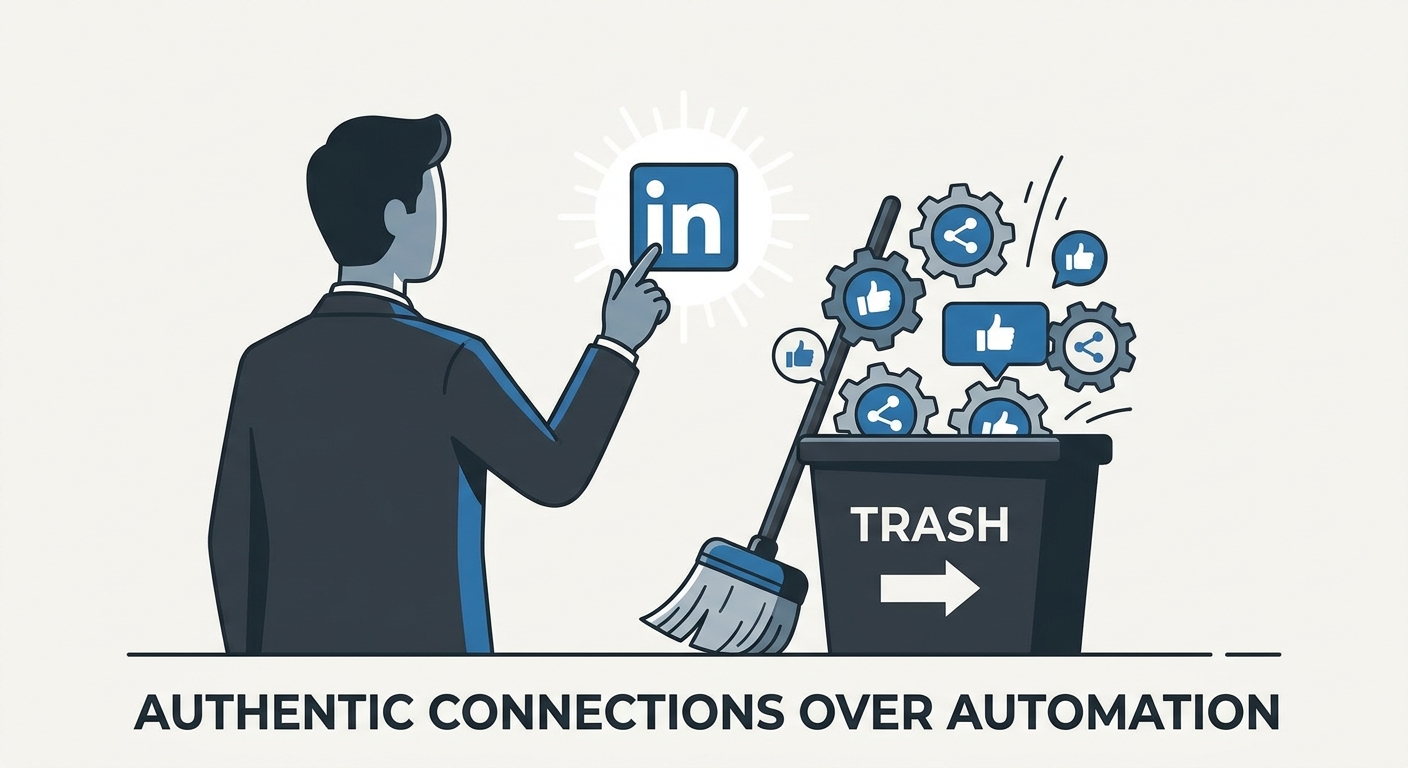
As the internet drowns in AI-generated "slop," authentic, expert-led content is becoming a luxury good. Consumers have developed a sixth sense for soulless, automated writing. They can smell the lack of effort from a mile away.
Brands that pivot toward "Human-First" content—built on real proprietary research, unique POVs, and actual lived experience—will command a premium. Differentiate your brand by doing what the AI cannot: go to the source. Interview your customers. Conduct original surveys. Share the "ugly" truths of your industry that training models haven't even touched yet. If you need help balancing this human touch with your operational systems, explore our professional content strategy services.
Future-Proofing for 2027: The Rise of Agentic Workflows
Looking forward, the conversation shifts from "human-in-the-loop" to "agentic workflows." We’re moving toward a future where autonomous AI agents don't just write; they optimize. These systems will monitor real-time performance data and automatically tweak headlines, meta-descriptions, and CTAs based on what is actually converting.
According to Stanford AI experts' predictions, the next wave of development will emphasize systems that operate with less human oversight, provided the initial strategy is sound. The winners of 2027 will be those who spent 2026 building the systems that allow these agents to operate within the guardrails of a strong, defined brand identity. The goal isn't to replace your team. It’s to give them the leverage to build a more resonant, impactful brand than they ever could have alone.
Frequently Asked Questions
Is Google penalizing AI-generated content in 2026?
Google isn't penalizing content because it's AI-generated. They are, however, aggressively hunting down low-value, unoriginal, and mass-produced "slop" that adds zero unique perspective to the web. If your content is boring and redundant, it will rank poorly—regardless of whether a human or a machine wrote it.
What is the biggest risk of using AI for content in 2026?
Brand dilution. If you rely solely on base models, your content will inevitably sound like everyone else's. In a market flooded with generic output, losing your unique voice is the fastest way to become invisible to your target audience.
How do I make sure my content shows up in AI search answers?
This is the core of Generative Engine Optimization (GEO). Success relies on providing direct, authoritative answers to specific questions, using structured data, and building your reputation as a high-authority source that AI models are incentivized to cite as a reference.
What exactly is the "Human-in-the-Loop" approach?
It’s an operational workflow where AI handles the heavy lifting of research and drafting, while a human expert provides the final synthesis, fact-checking, and the essential injection of brand personality. It ensures you maintain speed without sacrificing the quality and trust your audience demands.