Social Media Competitor Analysis: Using AI to Outperform Your Industry Rivals

TL;DR
- ✓ Move beyond vanity metrics to analyze deep audience sentiment using AI tools.
- ✓ Identify your true attention rivals beyond direct product industry competitors.
- ✓ Use machine learning to forecast competitor pivots and gain a predictive advantage.
- ✓ Shift your strategy from reactive stalking to proactive market dominance in 2026.
If you’re still manually auditing your competitors—scrolling through their feeds and counting likes—you aren’t conducting an analysis. You’re just engaging in digital voyeurism.
In 2026, the gap between market leaders and the rest of the pack isn't about resources. It’s about speed. It’s about how fast you can turn raw, messy data into actual, actionable intelligence. As noted in the latest social media trends 2026, the digital world has moved past vanity metrics like follower counts. Nobody cares how many people follow your rival if those people aren't paying attention. To win today, stop looking at what your competitors are posting and start decoding why their audience cares.
Why "Stalking" Is a Dead End
The old way of doing things? It was reactive. You’d catch a rival’s post going viral, panic, and think, "We should do that." That’s how you end up in second place forever.
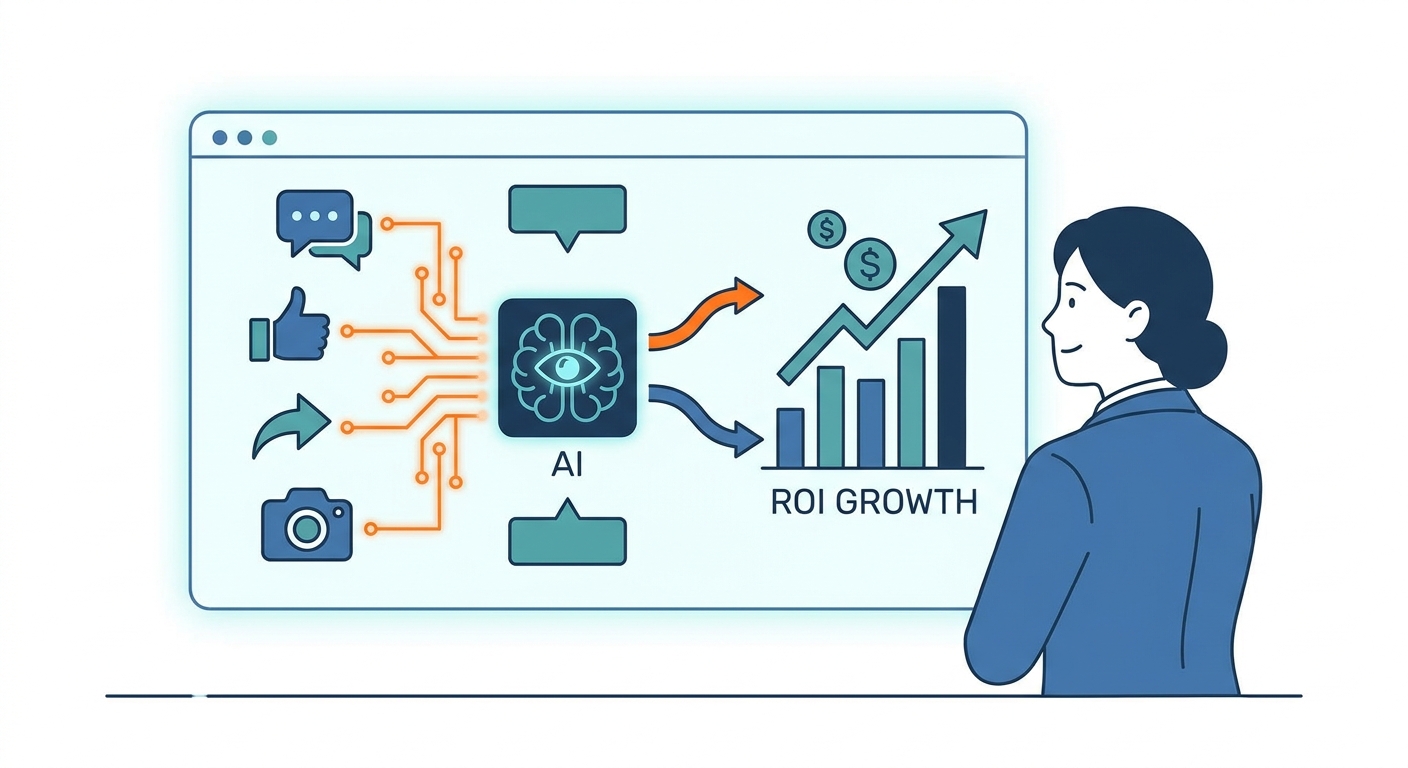
Real intelligence is about sentiment. It’s that invisible emotional thread that makes someone hit "share," "save," or "buy." AI lets us peel back the layers of a post. We can now categorize content into buckets: Is this driving engagement because it’s educational? Is it a spicy hot take? Or is it just relatable humor? When you map these archetypes across your competitive landscape, you stop guessing. You stop stalking. You start building a predictive model of where your industry’s attention is heading.
Who Are You Actually Fighting?
Here is a trap most brands fall into: they think their social media rival is the same company on their pricing matrix.
Wrong.
Your real digital competitor is anyone fighting for your audience’s limited attention span. If you sell high-end CRM software, your "product" rival might be Salesforce. But your "attention" rival? That’s probably a charismatic LinkedIn influencer or a YouTube channel crushing the "productivity hacks" conversation.
These creators are living in the mental real estate you need to own. If they’re training your customers to ignore your content in favor of theirs, they are winning—even if they don't sell a single piece of software. Your strategy has to be platform-agnostic. Stop looking for logos; look for the accounts that steal your audience's time.
The Metrics That Actually Matter in 2026
If your dashboard is still drowning in "reach" and "engagement rate," you’re looking in the rearview mirror. While Share of Voice is still the gold standard for measuring your brand’s footprint, it’s useless without conversion attribution and predictive benchmarking.
True dominance is about how much of the conversation you own and how efficiently that conversation turns into revenue. Using machine learning, you can now forecast when your competitors are about to pivot. If they start shifting their ad spend or changing their video format, your AI tools should flag this weeks before they hit "publish." That’s how you counter-program. You don't react; you anticipate.
Automating the Deep Work: The Intelligence Loop
Stop spending hours scraping data. That’s grunt work. You should be spending your time synthesizing insights.
By automating the collection of transcripts, caption structures, and engagement patterns, you can spot "white space"—those topics your audience is starving for that your competitors haven't touched. This isn't about letting AI write your posts. It’s about letting AI build the map so you can find the path of least resistance to your audience’s heart.
The "Anti-Copycat" Framework
Fear of plagiarism paralyzes most marketing teams. But there is a clean, ethical way to use AI to analyze competitors without turning into a clone. Treat their content as a data set, not a blueprint.
Use these prompts to extract the structure, not the soul:
- The Structural Deconstruction: "Analyze this transcript from a high-performing competitor video. Break down the hook, the transition points, and the CTA. Give me a structural template I can adapt to our brand voice."
- The Sentiment Gap Analysis: "I’ve provided the captions from our top 5 competitors over the last month. Categorize them by emotional tone (fear, aspiration, instruction). Where is the gap? What tone are they all ignoring that we could own?"
- The Audience Interest Map: "Analyze the comments on this thread. What are the top 3 questions the audience is asking that the creator ignored? Give me a list of topics where we can provide more value."
For more on bridging the gap between analysis and production, see our guide on how to use AI for content creation.
Cracking the "Dark Social" Code
"Dark Social"—those private DMs, Slack channels, and gated industry groups—is where the real decisions get made. Public analytics tools are blind to it.
However, AI can now track discourse shifts by scraping public-facing discussions in niche forums or subreddits where your audience hangs out. By monitoring these "fringe" data points, you can spot trends long before they hit the major platforms. If you see a shift in a private community, you have a 30-day head start on the competition.
Case Study: Data into Dominance
A mid-market SaaS brand was struggling on LinkedIn. They used AI to audit their top three rivals and found a pattern: everyone was obsessed with "product-led" content. They were all clinical, robotic, and painfully boring.
Following the principles in our social media strategy guide, the brand pivoted to a "human-first" narrative strategy. They started telling stories about the people using the software. Within 90 days, they captured the market's attention by simply filling the void left by their competitors’ robotic tone. They didn't have a bigger budget; they just had better intelligence.
Avoiding the "Automation Trap"
The biggest mistake? Relying on AI to create the content. If you use AI to write your posts, you’re just adding to the noise. According to market analysis on AI in marketing, the brands that win in 2026 use AI for the "deep work" of analysis, but they keep a human hand on the wheel for execution.
If your AI says "humor" is a winning strategy, don't ask it to write a joke. Use that insight to brief a human creator who understands your brand’s specific brand of wit. AI finds the data. You must craft the soul.
Your 2026 Tool Stack: From Free to Enterprise
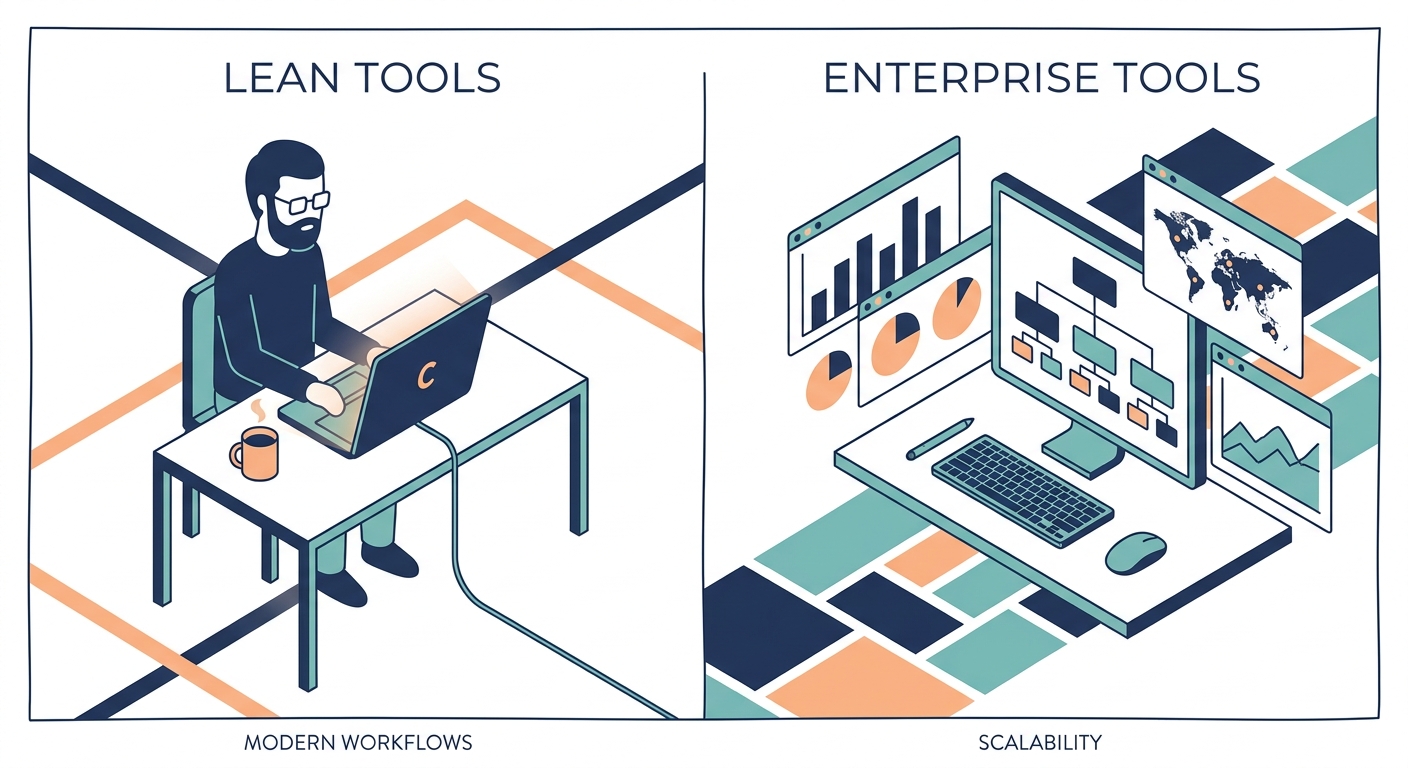
Your stack should scale with your ambition:
- The Starter Tier: Use native platform analytics, Google Trends, and free versions of tools like SimilarWeb for baseline data.
- The Growth Tier: Integrate mid-tier AI listening tools that offer sentiment analysis and basic trend forecasting.
- The Enterprise Tier: Full-suite predictive intelligence platforms that aggregate cross-channel data and provide automated, real-time strategic recommendations.
Frequently Asked Questions
How often should I conduct a social media competitor analysis?
Perform a deep-dive, AI-driven audit quarterly to adjust your overarching strategy, but implement monthly "pulse checks" to identify emerging trends and shifts in competitor messaging.
Can AI really replace human competitor analysis?
No. AI is an exceptional analyst, but a mediocre strategist. It can identify the "what" and the "how" of your competitor’s performance, but only a human can decide how to position your brand to exploit those findings.
What are the best free tools for social media competitor research?
Start with native platform insights, Google Trends for search-intent mapping, and the free tiers of tools like SimilarWeb or social listening platforms like Talkwalker or Brand24.
How do I differentiate between product competitors and social media rivals?
A product competitor sells what you sell. An attention competitor sells content that captures the same demographic's time. In the social landscape, your attention competitors are often more dangerous because they dictate the "cultural temperature" of your industry.
What is the most common mistake brands make when using AI for benchmarking?
The most common mistake is over-reliance on automation for content creation. Using AI to copy a competitor’s structure is smart; using AI to copy their voice is a brand-killing mistake.