AI-Driven Tools for Generating NFT Collections

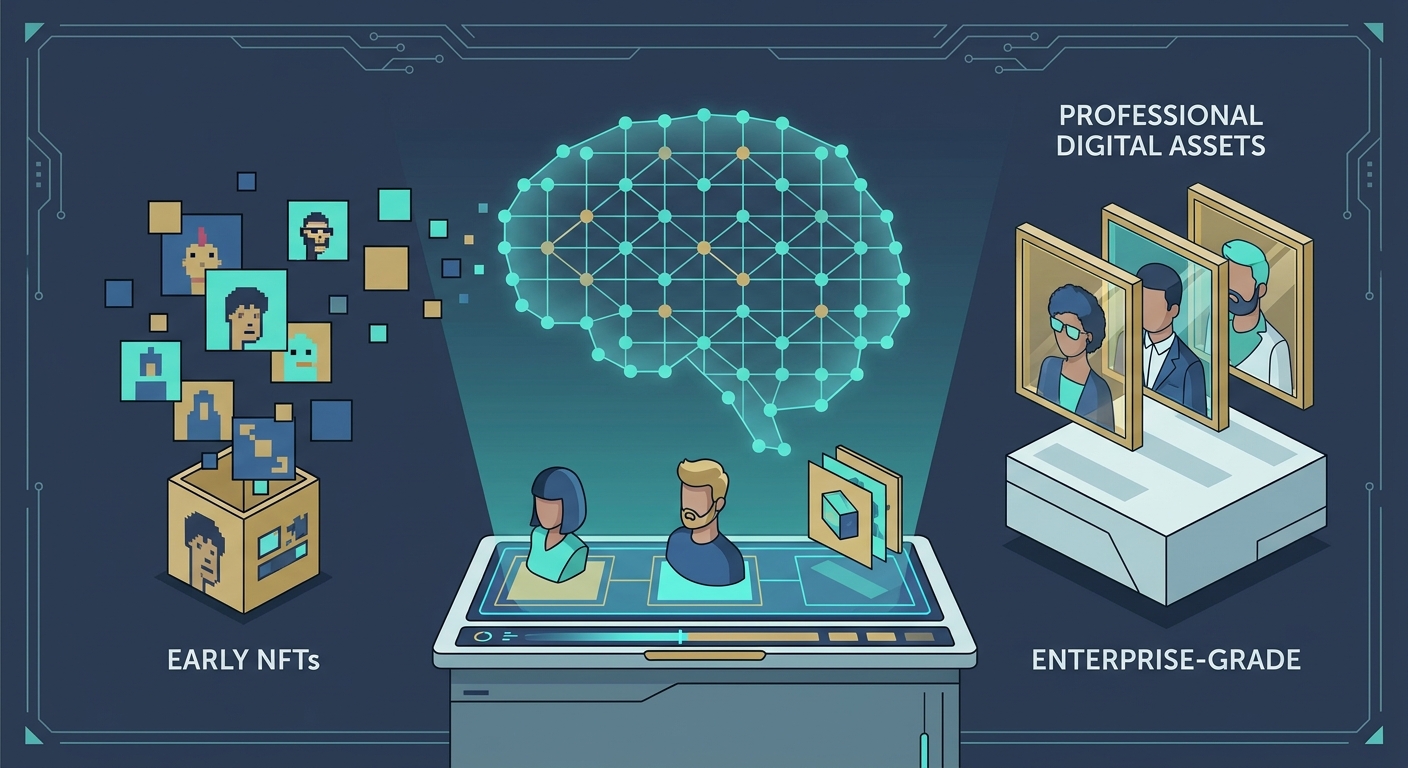
The era of "low-effort" NFT PFPs is stone-cold dead. Remember 2021? That wild west of haphazard, pixelated layers flooding the market? That’s history. In 2026, the digital asset scene has grown up. We’ve moved past the novelty phase into an ecosystem of functional, enterprise-grade collectibles. As pointed out in the latest AI-powered NFT market report, technology isn't just a shortcut for lazy creators anymore. It’s the engine room. If you want to build a collection that actually offers value to holders, you need to be using these tools with intention.
The Shift Toward Intelligent Creation
Let’s be real: generative art used to be a miserable, manual slog. You spent weeks stacking layers in Photoshop, pulling your hair out over rarity spreadsheets, and burning your budget on developers to write custom smart contracts.
That friction? Gone.
Today’s AI-driven platforms act as full-stack production studios. They don’t just spit out images; they analyze market demand, forecast floor prices, and handle the heavy lifting of blockchain deployment. We aren't in the gold rush anymore. We’re in the professional era. By using AI to iterate on thousands of variations, you can stress-test your visual appeal against historical market data before you ever mint a single token. This isn't about churning out junk. It’s about using machine learning to ensure every asset is visually distinct, mathematically balanced, and ready for the metaverse.
Why AI-Driven Tools are the New Standard
Scalability is the name of the game. You aren't limited by how fast you can draw traits anymore. With the right stack, you can generate 10,000 unique assets in minutes—each with complex, trait-driven metadata that defines both rarity and utility.
Accessibility has reached an inflection point, too. No-code platforms have democratized the "smart" side of the house. You can deploy a custom smart contract—the heartbeat of your collection—without writing a single line of code. These platforms offer a "predictive edge," analyzing live market trends to suggest rarity distributions that actually resonate with buyers. If you’re playing the long game, you aren't just selling art. You’re launching a digital product that has to survive the volatility of the market.
How the AI-NFT Workflow Functions
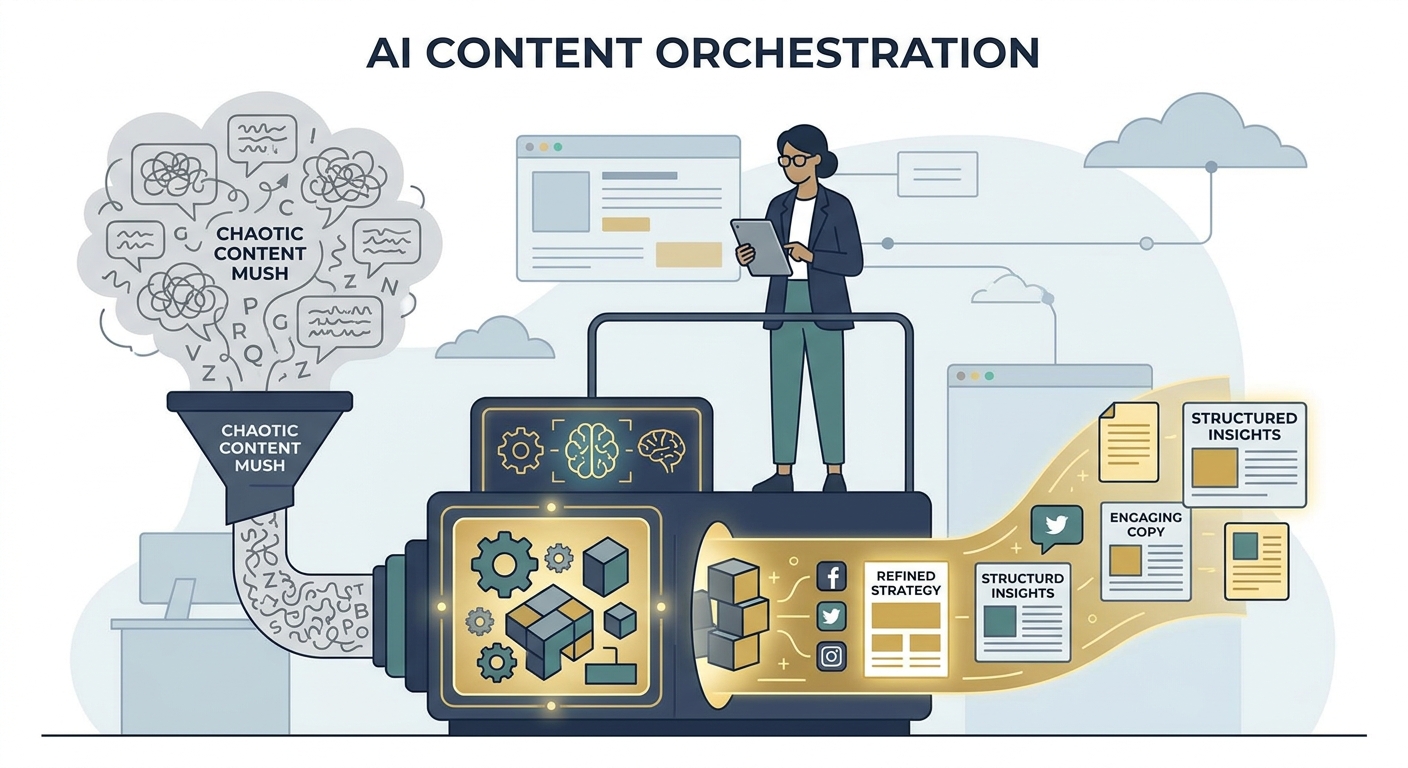
To build a professional-grade collection, you’ve got to map out the pipeline. It starts with prompt engineering—defining the aesthetic parameters of your base layers. These layers then hit the AI generation engine, ensuring stylistic consistency across thousands of variations. Once the assets are cooked, they’re mapped to metadata files (those JSON files that tell the blockchain exactly what your NFT is) and finally pushed to the network.
Navigating the 2026 Toolset
The market is noisy. There are a million tools out there, but only a few have the muscle for a serious project. When you’re picking your stack, look for native multi-chain support and transparent smart contract auditing. Don't skip these steps.
- ArtEngine PRO: The gold standard for bulk-layering. It handles "conditional logic" like a pro—meaning you can ensure specific traits only show up on certain base characters.
- Verdict: The go-to for professional studios that need total control.
- GenMint Studio: A no-code, all-in-one beast. It takes you from AI generation to the final minting transaction without breaking a sweat.
- Verdict: Perfect for solo founders or small teams who don't have a dev on payroll.
- LayerMaker AI: This one integrates directly with OpenAI model documentation to refine base art quality.
- Verdict: Essential if you need high-fidelity, high-res assets that look good on a billboard.
A quick word of warning: check the commercial rights policy. If a free-tier generator keeps ownership of your output, you’re asking for a legal headache the moment your project goes viral. Read the fine print.
The "Human-in-the-Loop": Balancing AI and Authenticity
Here is the biggest mistake people are making in 2026: total automation. If you let the bot do everything, your collection is going to feel sterile. It’ll lack the "soul" that actually builds a community.
You need a "Human-in-the-Loop" approach. Use AI to handle the heavy lifting—the base layers, the common traits, the repetitive math. But manually curate the "Legendary" or "1-of-1" assets. That’s where your lore lives. Use AI to draft your character backstories, sure, but have a human writer polish the tone. When you marry machine efficiency with human intentionality, you create a product that feels high-tech but deeply personal. That’s the secret sauce.
A 2026 Safety Checklist for Creators
Before you hit "deploy," secure your assets. The smart contract audit is non-negotiable. Never, ever deploy a contract that hasn't been vetted by a reputable third party. You can verify your contracts on Etherscan to keep things transparent and prove you aren't hiding any backdoors.
Also, watch your metadata hosting. Use decentralized storage like IPFS. If you host on a centralized server that vanishes, your NFTs become "broken" images. Nothing kills a project faster than a dead link.
Beyond the Art: Designing for Long-Term Utility
A collection in 2026 is only as good as its interoperability. If you want your assets to hold value for years, build for the metaverse. Make sure your assets are compatible with standard 3D formats and that your smart contract is upgradeable. If you’re feeling rusty, brush up on our guide to blockchain basics so you understand how these assets interact with external protocols.
Remember, once the collection is live, the work is only half-finished. If you’re struggling to gain traction, check out our guide on marketing your digital collection. It breaks down how to build a community that actually holds your assets instead of just flipping them for a quick buck.
The Technical Workflow: Layering and Metadata
The magic happens in the randomization phase. You aren't just layering images; you’re assigning mathematical rarity scores to every trait. This is where the "value" of an NFT is born.
Frequently Asked Questions
Do I need to know how to code to create an NFT collection in 2026?
No. Modern AI-driven generators provide no-code interfaces that handle smart contract deployment and metadata generation automatically, allowing you to focus on the creative side of the project.
Are AI-generated NFTs considered original art?
Yes, in the context of digital collectibles, provided you have the commercial rights to the AI model's output and have added unique artistic direction or human curation to the final product.
How do I ensure my collection stands out in a crowded market?
Focus on "utility"—what holders can do with the NFT—and community engagement. Use AI tools to create high-quality, high-resolution unique traits rather than generic, low-effort bulk images.
What are the hidden costs of using AI NFT generators?
While the software might be subscription-based, you must account for "gas fees"—the network transaction costs required when deploying smart contracts and minting individual items on the blockchain.
Will my collection be compatible with future metaverse platforms?
If you select tools that support standard metadata structures and decentralized storage, your collection will be architecturally prepared for integration into future metaverse environments and interoperable gaming platforms.