How to Build an AI-Driven Social Media Calendar That Actually Converts

TL;DR
- ✓ Shift from reactive posting to an AI-orchestrated, data-driven content strategy.
- ✓ Audit historical data to identify content that drives revenue instead of vanity metrics.
- ✓ Map every piece of content to specific stages of the customer journey.
- ✓ Use AI as a strategic analyst to optimize your calendar for maximum conversions.
A high-converting social media calendar isn't born from creative whims or riding the latest viral wave. It’s built on cold, hard data. Most brands treat their content calendar like a digital junk drawer—shoving in random posts, crossing their fingers, and hoping something sticks.
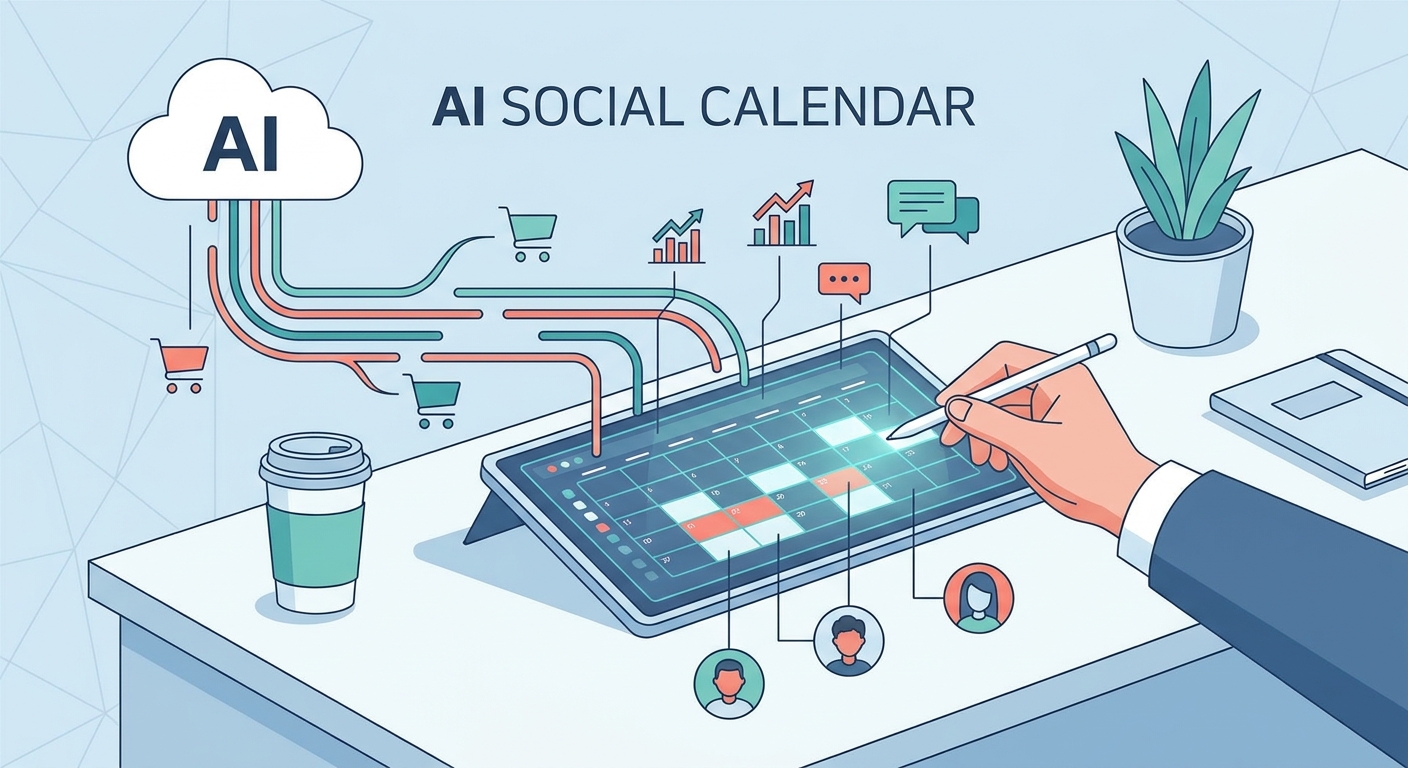
By 2026, the shift from "AI-assisted" to "AI-orchestrated" isn’t just a competitive edge; it’s the baseline for staying in business. To build a calendar that actually moves the needle on revenue, you have to stop treating AI as a glorified copywriter. Start treating it like a strategic analyst that maps every single post to your customer’s journey. If it doesn't serve a specific conversion goal, it shouldn't be on the calendar. Period.
Why Do Most Social Media Calendars Fail to Convert?
The graveyard of social media strategy is packed with calendars that prioritized vanity metrics over real business outcomes. If your team is obsessed with "Likes" and "Comments," you’re optimizing for dopamine, not dollars. The biggest mistake? A lack of a documented content strategy. Without one, you’re just scrambling for ideas instead of working a funnel.
When you post ad-hoc, you lose the chance to actually nurture your audience. A conversion-focused calendar needs a logical flow:
- Awareness: Teaching the reader.
- Consideration: Solving their specific product-related headaches.
- Conversion: Making the direct ask.
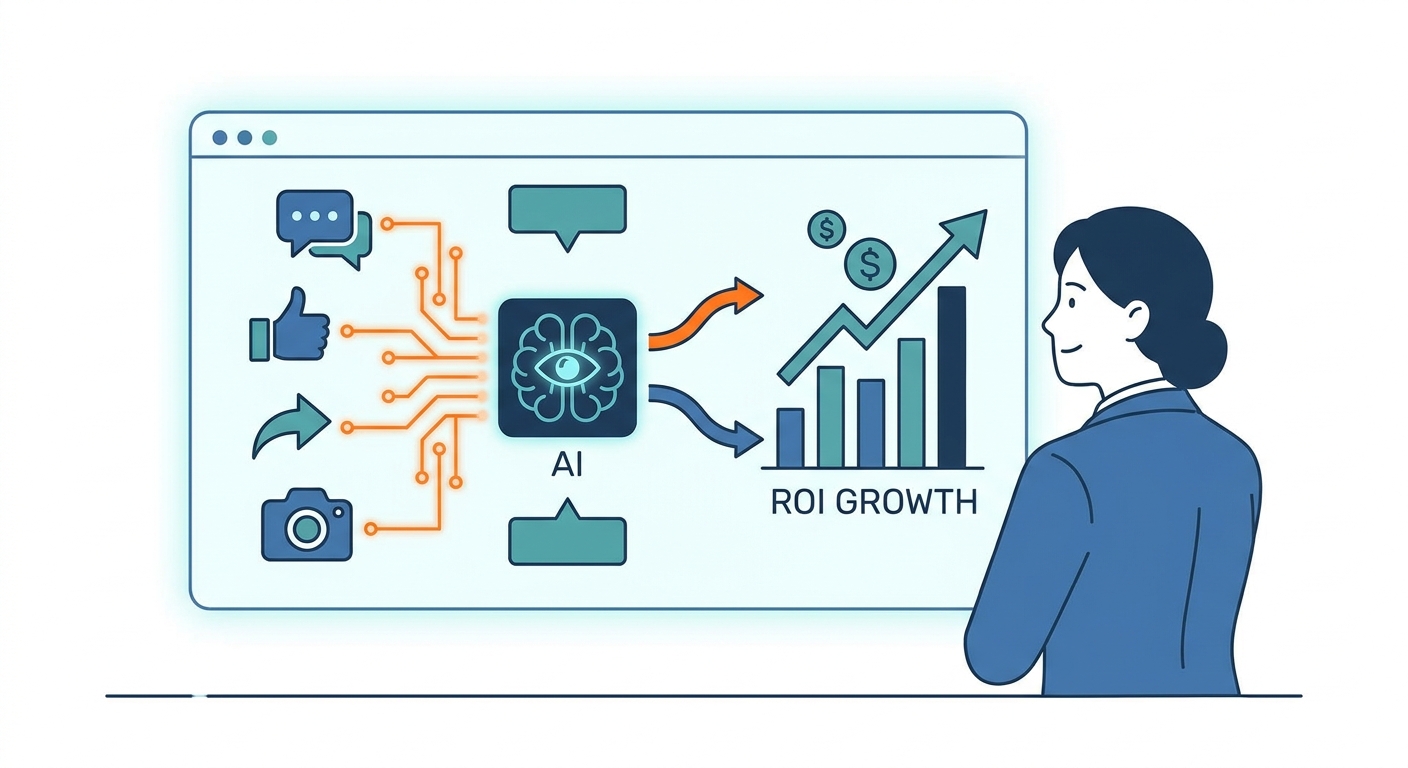
Without this structure, your content is just noise. You’re filling a feed, not building a brand. According to the Sprout Social Index 2025/2026, brands that anchor their content in clear, measurable objectives absolutely crush reactive competitors in every category of ROI.
How Do You Audit Your Past Performance for Future Success?
Before you feed your data into an AI engine, perform a "Clean Slate" audit. You can't automate garbage and expect gold to come out the other side. You need to look at your historical data to see which content pillars actually moved the needle. If you want to learn how to conduct a social media audit that strips away the dead weight, focus on conversion attribution, not engagement volume.
Use AI to ingest your last twelve months of performance data. Ask the model to categorize posts by outcome, not format. Which educational carousels actually led to newsletter sign-ups? Which product-led videos drove direct clicks to your sales page? By identifying these high-conversion "winners," you can ruthlessly prune the content formats that don't pay the bills. This is the difference between a busy calendar and a profitable one.
What Does an AI-Orchestrated Workflow Look Like?
The 2026 planning cycle is a loop, not a straight line. You feed historical data and market trends into your AI, which then identifies high-conversion topics. These topics map to your customer journey, get drafted in your specific brand voice, and then—crucially—get pushed to a human for final polish.
This workflow ensures the AI handles the heavy lifting of data processing and drafting, while the human strategist keeps the brand’s soul and cultural nuance intact.
How Do You Build Your Content Pillars for Maximum ROI?
Your content pillars must mirror the stages of your customer’s journey. If you’re only posting "Top of Funnel" educational content, you’re attracting an audience that will never open their wallets. If you only post "Bottom of Funnel" sales pitches, you’ll alienate your community.
- Awareness: Industry pain points and thought leadership.
- Consideration: How your solution solves those specific pain points.
- Conversion: Social proof, case studies, and direct calls to action.
Beyond these, adopt the "White Space" strategy. Reserve 15–20% of your calendar for reactive content. Modern AI tools are brilliant at spotting micro-trends within 24 hours. If you fill 100% of your calendar weeks in advance, you forfeit the ability to join the conversations happening right now. Leave the gaps. Let the AI flag trend-jacking opportunities, and fill them in real-time.
How Do You Prompt AI to Create High-Converting Content?
The quality of your output is tied directly to the quality of your input. If your prompt is "Write a post about my product," you’ll get robotic, generic sludge. You need to build a "Strategist Persona" for your AI.
Your prompt should include:
- Brand Identity: Define your tone—are you the sassy disruptor or the academic authority?
- Style Guide: Feed it your best-performing past copy.
- Customer Pain Points: Be explicit about what keeps your audience up at night.
- The "So What?" Factor: Force the AI to focus on the benefit, not the feature.
By leveraging Meta AI for Creators or similar models, you can iterate on these drafts. Treat the first output as a rough sketch. Use the AI to refine it—ask it to "make this punchier," "dial up the urgency," or "cut the corporate jargon."
Which Tools and Tech Stack Should You Choose?
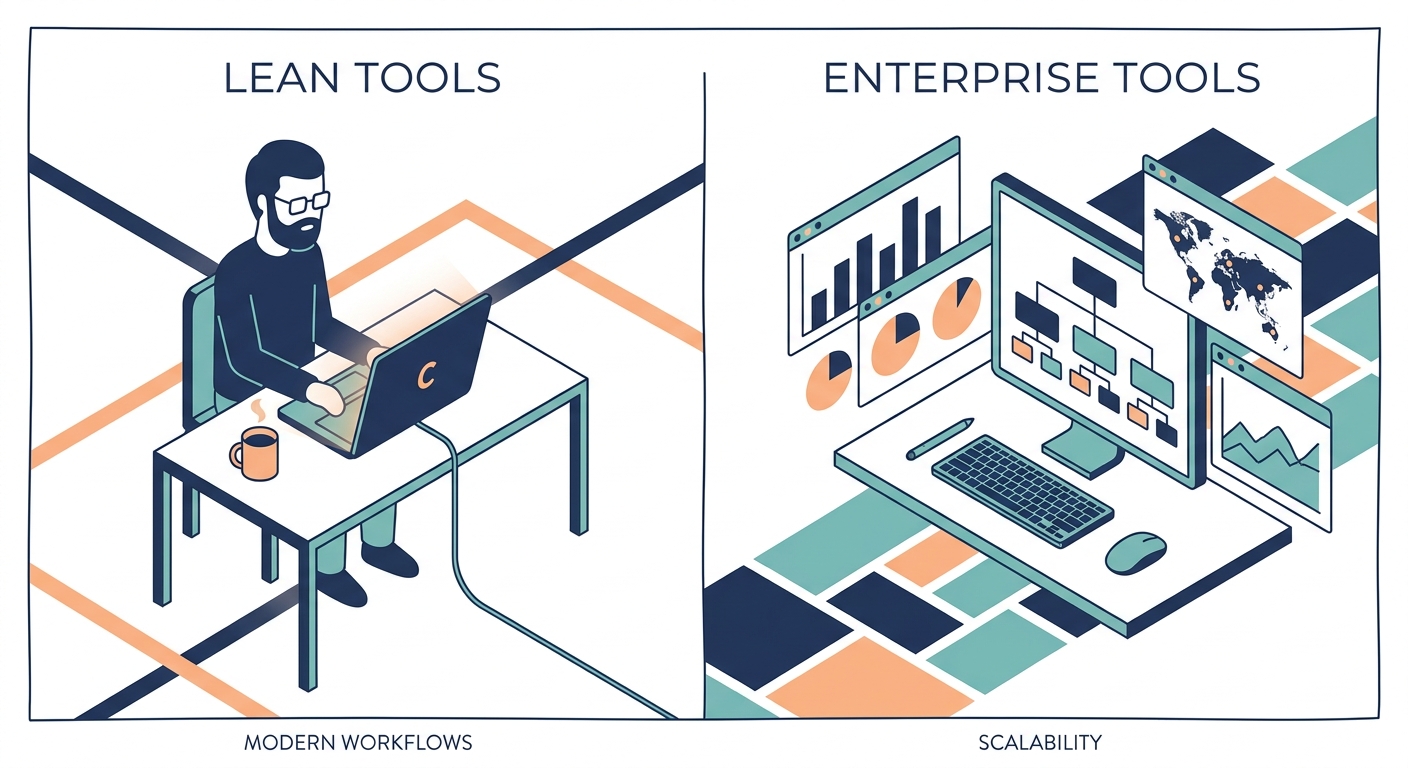
Integration is the bridge between a "nice-looking" calendar and a "converting" one. You need a tech stack that connects your scheduling platform directly to your CRM and analytics suite. If your calendar tool doesn't talk to your landing page tracker, you are flying blind.
The best stacks allow for a "Human-in-the-Loop" advantage. While we offer AI Marketing Services to help businesses build this exact architecture, you can start by ensuring your chosen platform supports robust UTM parameter management. Every single link in your calendar should be tagged. If you don’t know where a lead came from, you can’t scale what works.
How Do You Measure Success Beyond Vanity Metrics?
To stop chasing vanity metrics, focus on the "Conversion per Pillar" ratio.
- Step 1: Create unique UTM links for every content pillar.
- Step 2: Track these links through to your CRM.
- Step 3: Calculate the conversion rate for each post type.
If your "Educational" pillar has a 5% click-through rate but zero conversions, and your "Social Proof" pillar has a 1% click-through rate but a 20% conversion rate, you know exactly where to shift your resources. A calendar that converts is one that is constantly being optimized based on where the money is actually flowing. If you need help setting up this attribution framework, our conversion tracking guide provides a step-by-step breakdown of how to connect the dots.
Frequently Asked Questions
How much of my social media calendar should be AI-generated?
Aim for 70% AI-assisted planning and creation, leaving 30% for human-led cultural agility and brand voice refinement. AI handles the volume and the data; you handle the soul of the brand.
Does using AI for content make my brand sound robotic?
Only if you don't feed the AI your specific brand tone, style guides, and unique customer data. AI is a tool, not a replacement for your brand personality. If your output sounds robotic, your prompt is the problem, not the model.
How do I measure if my calendar is actually "converting"?
Stop tracking vanity metrics like "likes." Instead, link your calendar posts to UTM-tracked landing pages and monitor the click-through rates (CTR) and conversion rates per content pillar within your CRM.
What is the biggest mistake brands make with AI calendars in 2026?
Over-automation. Using AI to post without human review leads to "tone-deaf" content that ignores real-time market shifts and community sentiment. Always keep a human in the loop for the final sign-off.