Exploring the Viral Phenomenon of a Modern Horror Movie

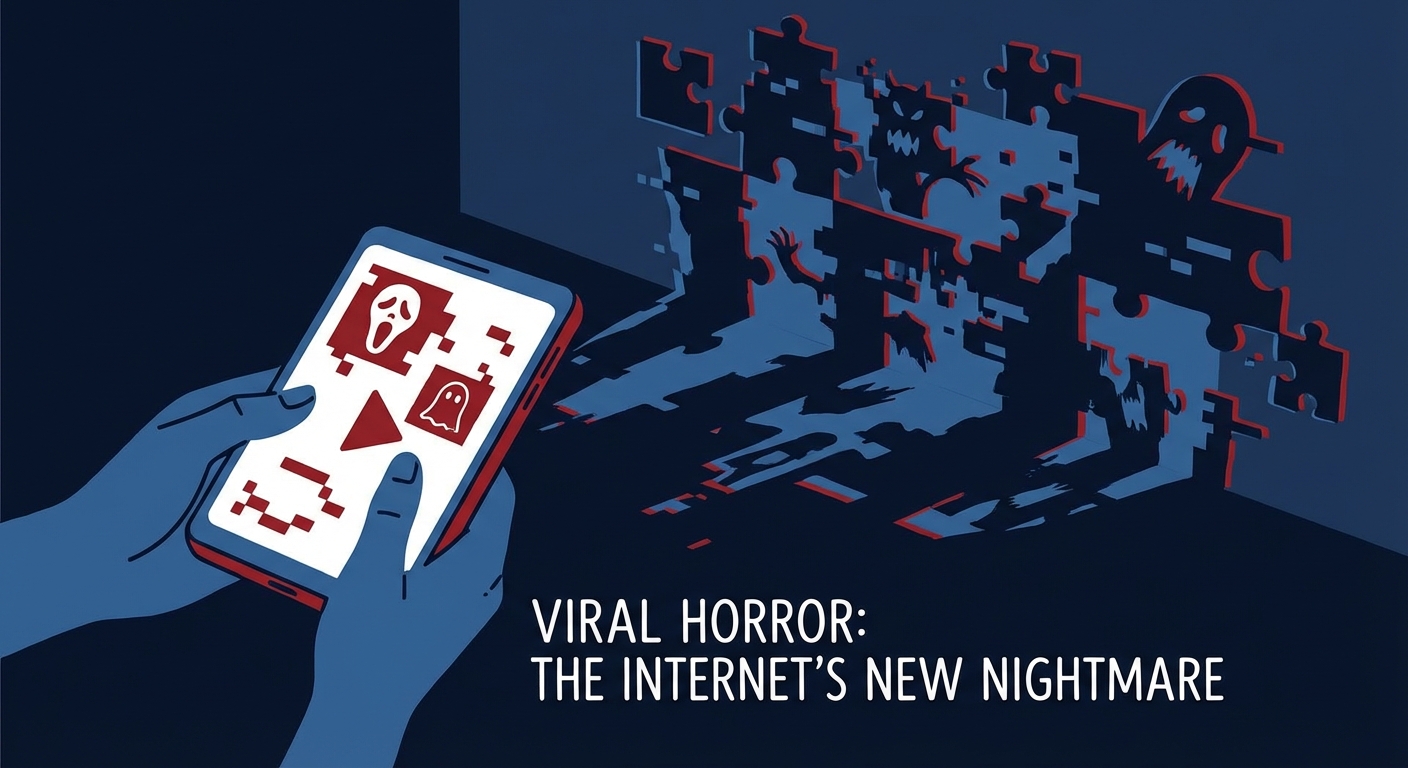
The days of relying on a famous face or a bloated Super Bowl ad to sell a horror flick are dead. Nobody cares about your A-list cameos anymore. In 2026, the biggest box office hits aren't being "sold"—they’re being discovered in the dark corners of the internet.
Modern horror is built from the ground up using "synthetic" reality. It turns passive viewers into amateur detectives. It’s not about blasting a trailer in everyone’s face; it’s about crafting a mystery so jagged and strange that the audience feels a compulsion to solve it. Studios have finally ditched the sterile, top-down marketing of the early 2000s in favor of something decentralized, messy, and community-driven. These days, the movie isn't just a product. It’s the grand prize at the end of a digital scavenger hunt.
Why Is "Workplace Horror" Replacing the Supernatural?
The ghosts are gone. We’ve evicted the Victorian specters and the masked slashers of the past. In their place? Something far more relatable: the fluorescent-lit, soul-crushing nightmare of the modern office.
As we all drown in professional burnout and the permanent erosion of our personal time, horror has pivoted to mirror our actual lives. You can see this shift clearly in The Evolution of Horror Trends 2026. The haunted house is out. The haunted spreadsheet is in.
This isn't just a change in set design; it’s a shift in psychological warfare. When a film depicts a protagonist unraveling because of a toxic manager or an endless loop of soul-sucking quarterly reviews, it hits a nerve a jump-scare never could. Modern audiences project their own professional exhaustion onto these stories. The terror feels intimate. It feels inescapable. When a studio markets a film using fake LinkedIn profiles or "leaked" HR policy documents detailing gruesome office accidents, they are speaking the language of our daily dread. It’s high-concept, deeply cynical, and terrifyingly effective. It feels like it could be happening in the cubicle next door.
What Is the Anatomy of a Sticky Horror Campaign?
A sticky horror campaign isn't a singular event. It’s a slow, rhythmic drip of information. It rewards the obsessive and leaves the casuals behind. While big franchises still cling to the "shock and awe" of a global trailer drop, the "Quiet Success" model is dominating the indie circuit.
This approach treats marketing like an Alternate Reality Game (ARG). By releasing synthetic assets—cryptic emails, a broken company handbook, or a glitchy employee portal—marketers invite the audience to play a role.
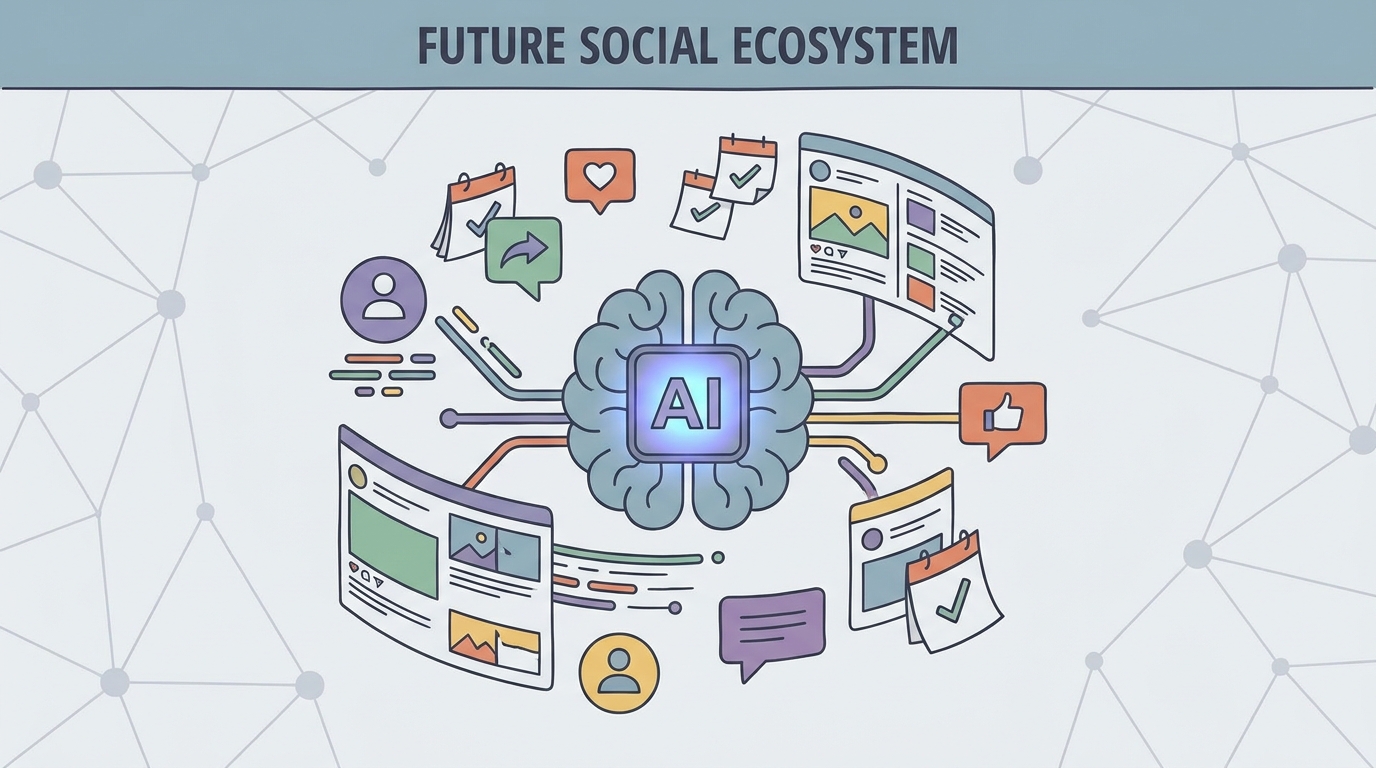
The beauty here? It’s self-sustaining. Once the breadcrumbs are laid, the community takes the wheel. Reddit threads turn into war rooms where theories are weaponized. TikTok creators become investigative journalists documenting "unfolding events." As shown in the loop below, this creates a momentum that no traditional ad buy could ever hope to replicate.
This feedback loop turns the audience into an engine. They aren't just consumers; they’re participants in the film’s mythology. When the conversion hits the box office, it’s because the audience feels a sense of ownership. They spent weeks decoding the clues. They need to see the conclusion in the theater. They have skin in the game.
How Are Micro-Influencers Replacing the Press Junket?
The era of the red-carpet press junket—where a lead actor smiles through three minutes of lukewarm, scripted questions—is fading fast. In its place, we have the "Drive-by Fan" strategy.
Savvy studios now identify the top 50 horror-niche creators on TikTok, YouTube, and Discord. These are the folks who have spent years building trust within the genre community. Instead of paying for a billboard, studios give these creators exclusive access to the film’s "synthetic" lore. As discussed in Blumhouse CMO on Horror Marketing, the goal is simple: drive opening-weekend trust through genuine enthusiasm rather than paid celebrity endorsement.
When a creator who has built their reputation on dissecting found-footage tropes discusses a new film, their audience listens. It feels like a recommendation from a friend, not a commercial from a conglomerate. This grassroots approach ensures that by the time the film hits the screen, the core audience is already evangelizing the project. It creates a baseline of support that traditional media could never sustain.
Case Study: The "Send Help" Phenomenon
The success of Send Help remains the gold standard for this new wave of marketing. Rather than relying on standard billboards, the team behind the film created "rage activations" in major cities—pop-up, immersive survival simulations where attendees could vent their professional frustrations in a controlled, high-stress environment.
These installations were designed to be "content factories." Every participant left with a unique, terrifying video clip of their experience, which they immediately posted to their own social channels. By turning the audience’s pent-up rage into a viral asset, the film effectively crowdsourced its entire marketing budget. You can find more on why these tactics work in 5 Award-Winning Horror Campaigns, which highlights how experiential marketing bridges the gap between digital mystery and physical interaction. Send Help didn't just sell a movie; it sold an experience that people desperate for a release were eager to share.
How Can You Apply "Horror-Style" Mystery to Your Own Brand?
You don't need a film budget to harness the power of mystery. Any brand can adopt the ARG approach by planting "Easter eggs" that reward their most loyal customers. If you want to drive engagement, stop telling your audience what to think and start giving them a puzzle to solve.
Whether it’s a hidden page on your website or a series of cryptic social posts that lead to a "secret" discount, the goal is to foster a sense of discovery. Building a viral campaign requires a fundamental shift in mindset: stop broadcasting and start inviting. If you want to learn more about this, check out our guide on How to Build a Viral Campaign. For those who need help translating these high-stakes narrative strategies into their own business growth, our Content Strategy Services focus on building the same kind of community-led momentum that drives modern horror hits.
What Is Next for the Future of Immersive Fear?
We are currently witnessing the transition from "watchable" to "playable" horror. As AI tools become more sophisticated, the next frontier will be real-time, personalized promotional experiences. Imagine a landing page for a horror film where an AI-driven "corporate chatbot" engages with you, analyzing your responses to create a custom-tailored "warning" or "employee handbook" that addresses your specific fears.
This isn't just a gimmick; it’s the logical conclusion of the "synthetic reality" trend. By creating a one-to-one interaction between the marketing material and the user, studios will be able to foster an unprecedented level of emotional investment. The future of fear is interactive, and it is coming for our attention, one chat-prompt at a time.
Lessons for Creators: How to Build Buzz on a Budget
If you are a creator looking to build buzz without a massive bankroll, remember: trust is the only currency that matters. Stop trying to reach everyone. Focus on the niche community that loves what you love.
Practice the art of "Shadow Marketing." Create a fictional brand, a fake persona, or an enigmatic entity that exists tangentially to your project. Use these to build a narrative world that people want to inhabit. When you create a mystery, you create a community. And when you have a community, you have a platform that no amount of paid advertising can buy.
Frequently Asked Questions
What makes a horror movie go viral in 2026?
Viral horror in 2026 is driven by community-led mystery and "shareable" fear. Audiences are no longer interested in traditional star-power; they want to participate in a narrative that feels like a shared, interactive secret. The most successful films foster an environment where fans feel like investigators, using forums like Reddit and Discord to piece together the film’s world before it even hits the screen.
How is AI changing the way horror films are being marketed?
AI is being used to generate "synthetic" assets—such as fake company handbooks, cryptic emails, and hyper-personalized social media trailers—that fuel the ARG (Alternate Reality Game) style of marketing. These assets allow studios to build complex, immersive worlds that feel authentic to the audience, enabling them to scale their mystery-building efforts without the need for massive creative teams.
Why are original horror films outperforming franchises at the box office?
Original films are winning because of "franchise fatigue." Audiences are growing tired of legacy sequels that feel like corporate products. They are hungry for high-concept, original ideas that feel personal, experimental, and, most importantly, authentic. Original horror offers a sense of discovery that franchises, which are often weighed down by existing canon and expectations, cannot provide.
What is the benefit of "experiential" marketing for indie films?
Physical, experiential activations act as "content factories." By creating immersive environments or "rage rooms" related to the film's theme, studios provide attendees with unique content they are excited to share on TikTok and Instagram. This essentially turns every attendee into a promoter, crowdsourcing the marketing budget and creating a wave of organic, high-trust awareness that traditional advertising struggles to match.