Exploring Factors Influencing NFT Creators

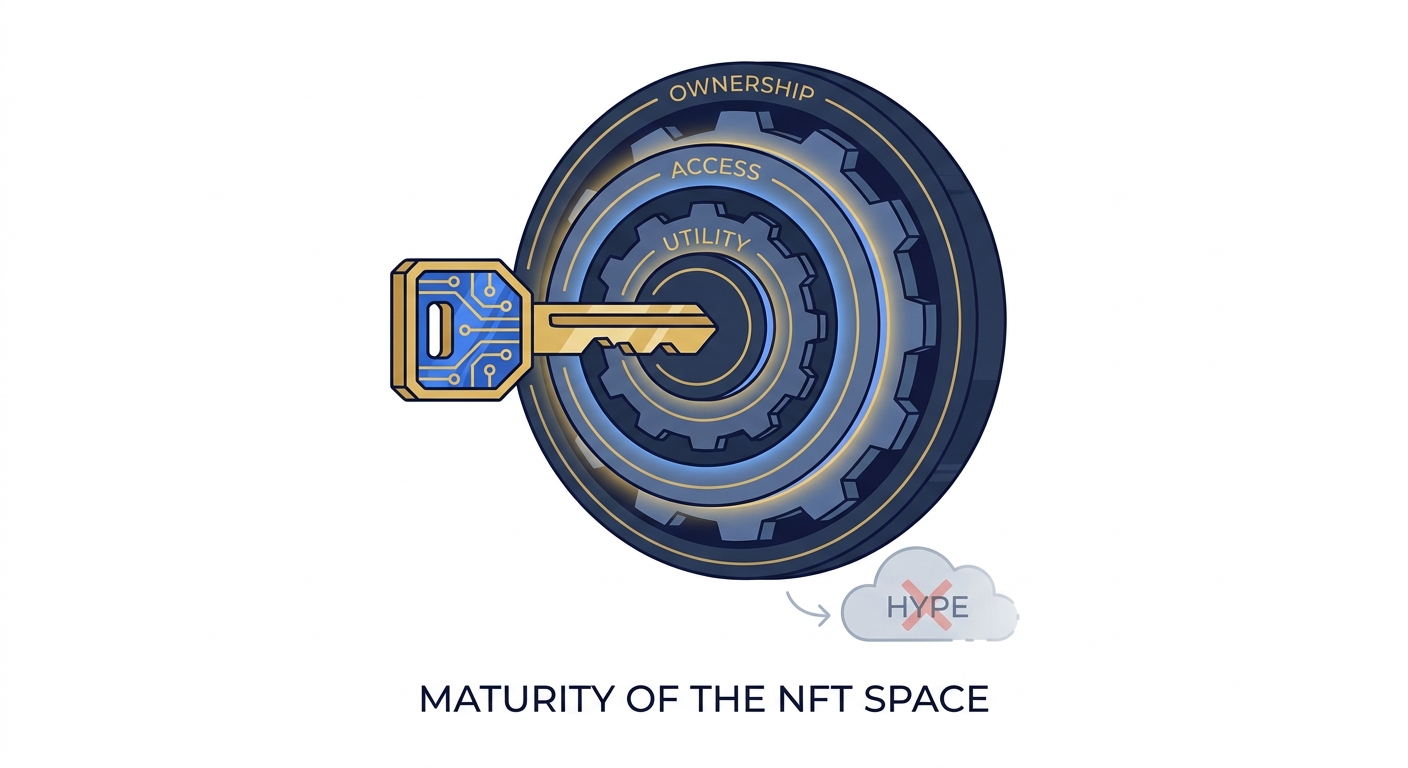
The "gold rush" era of NFTs is officially dead. You remember it: low-effort JPEGs, empty promises, and enough frantic speculation to make a day trader blush. That’s gone.
If you’re still trying to sell a static image based on pure hype, you’re not just behind the curve—you’re invisible. By 2026, the creator economy has grown up. It’s no longer about who can scream the loudest on X or Discord. It’s about utility. If you aren’t delivering actual value to your holders, you aren’t building a project; you’re building a ghost town.
Success today isn't about luck. It’s about engineering. It’s about regulatory foresight. It’s about building a digital ecosystem that actually functions. If you want a seat at the table, you have to pivot from "art-only" to "utility-as-a-service." That’s the difference between a flash in the pan and a business that sticks.
Why "Utility" is the Only Currency That Matters
Remember 2021? The value of a project was tied to how rare a specific JPEG was. Today, that’s a joke. If your NFT doesn’t solve a problem, provide access, or bridge into the real world, it’s just a digital collectible gathering dust.
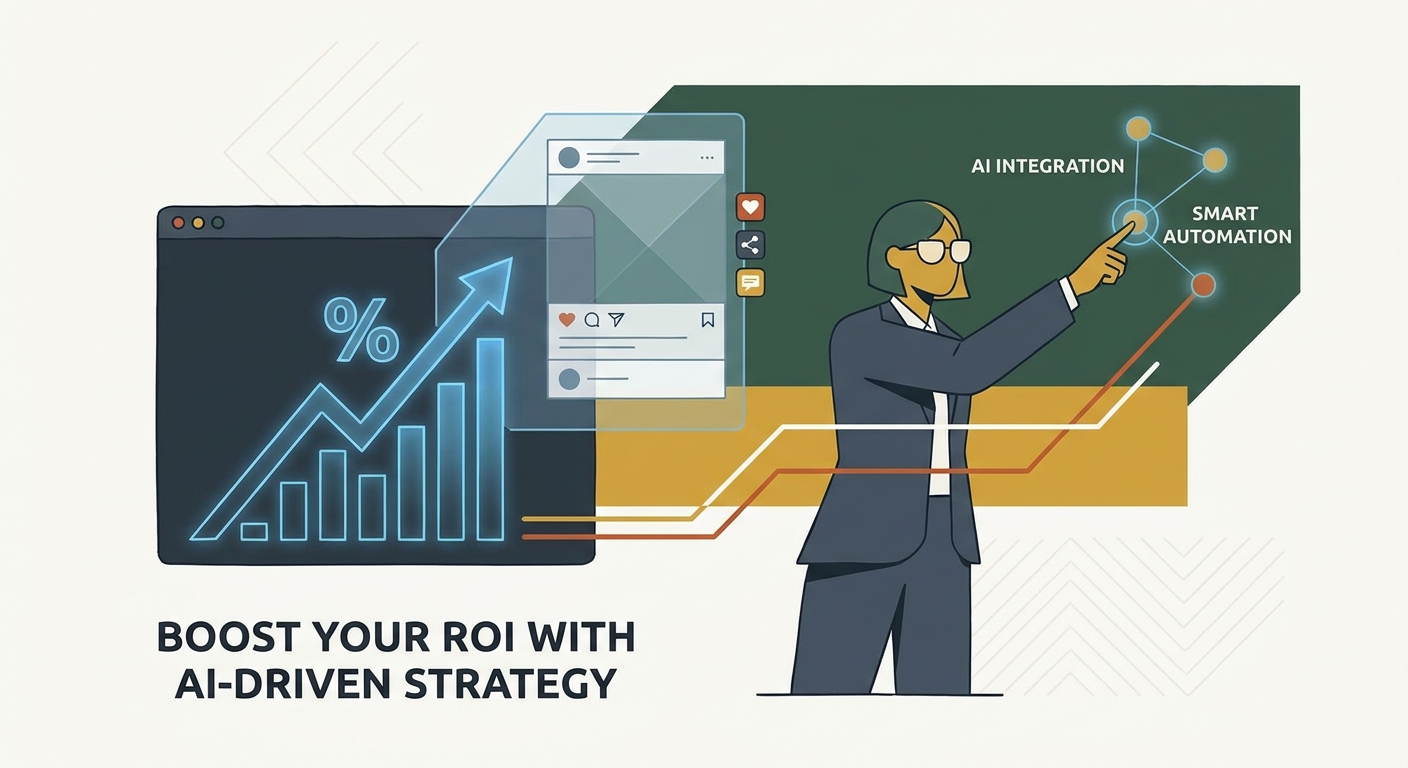
According to the 2026 Creator Economy Report, creators who bake functional utility into their projects—like gated access or AI-driven tools—see retention rates nearly triple compared to those leaning on aesthetics alone.
Think of your NFT as a key. It should unlock something. Maybe it’s a physical event, a professional network, or even fractional ownership of a tangible asset. When an NFT becomes a verifiable claim on a real-world good or a service, the value stops being a speculative guess and starts being an intrinsic reality. You aren’t just an illustrator anymore. You’re a product manager. You aren’t selling a drawing; you’re selling a membership, a workflow, or a stake in something that actually works.
The AI-Augmented Workflow: Working Smarter, Not Harder
Being a creator in 2026 is less about manual labor and more about orchestration. You shouldn't be spending weeks on metadata or auditing smart contracts by hand. That’s what machines are for.
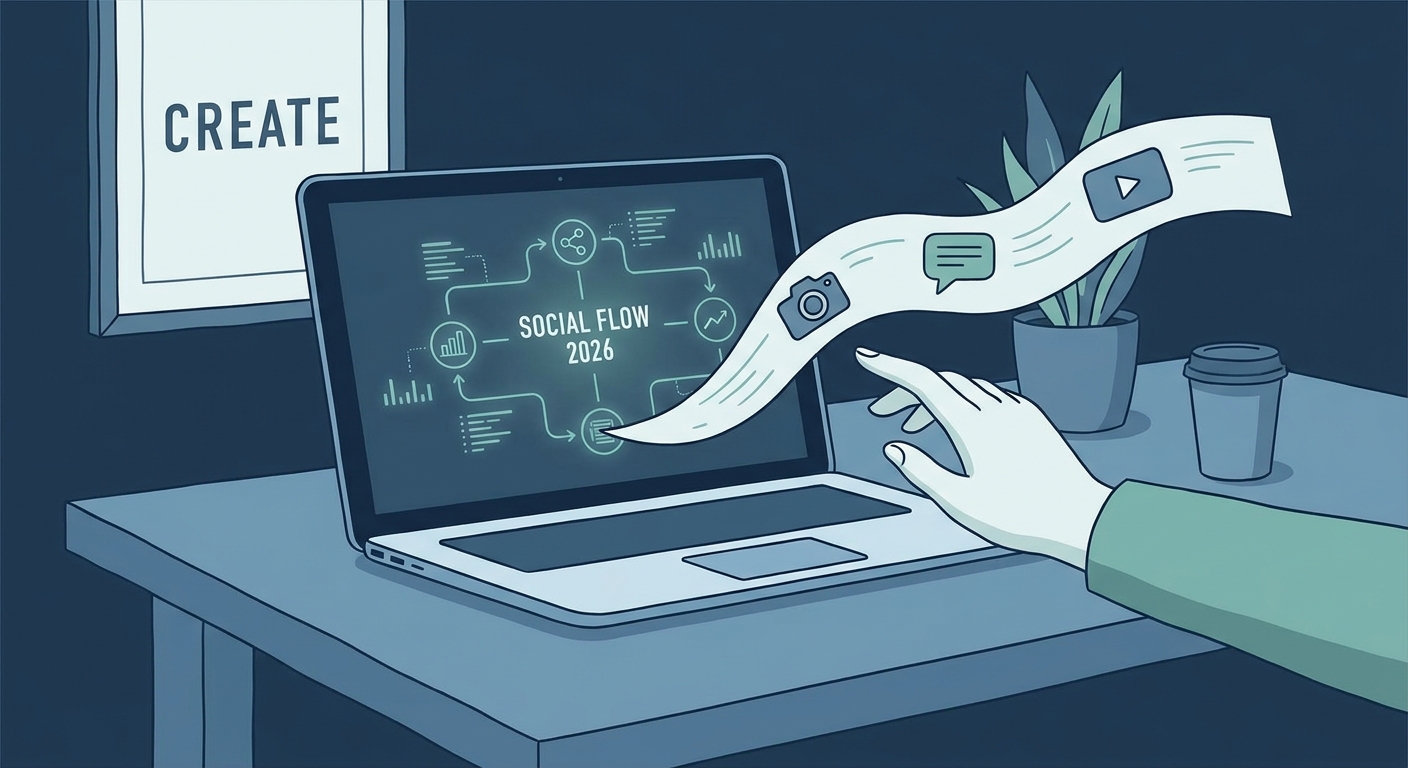
We’ve moved past the "is AI good or bad" debate. Now, it’s just about how fast you can iterate. As we outline in our guide on how we use AI to scale content creation, the technology allows you to move at the speed of the market while maintaining a level of quality that would have been impossible a few years ago.
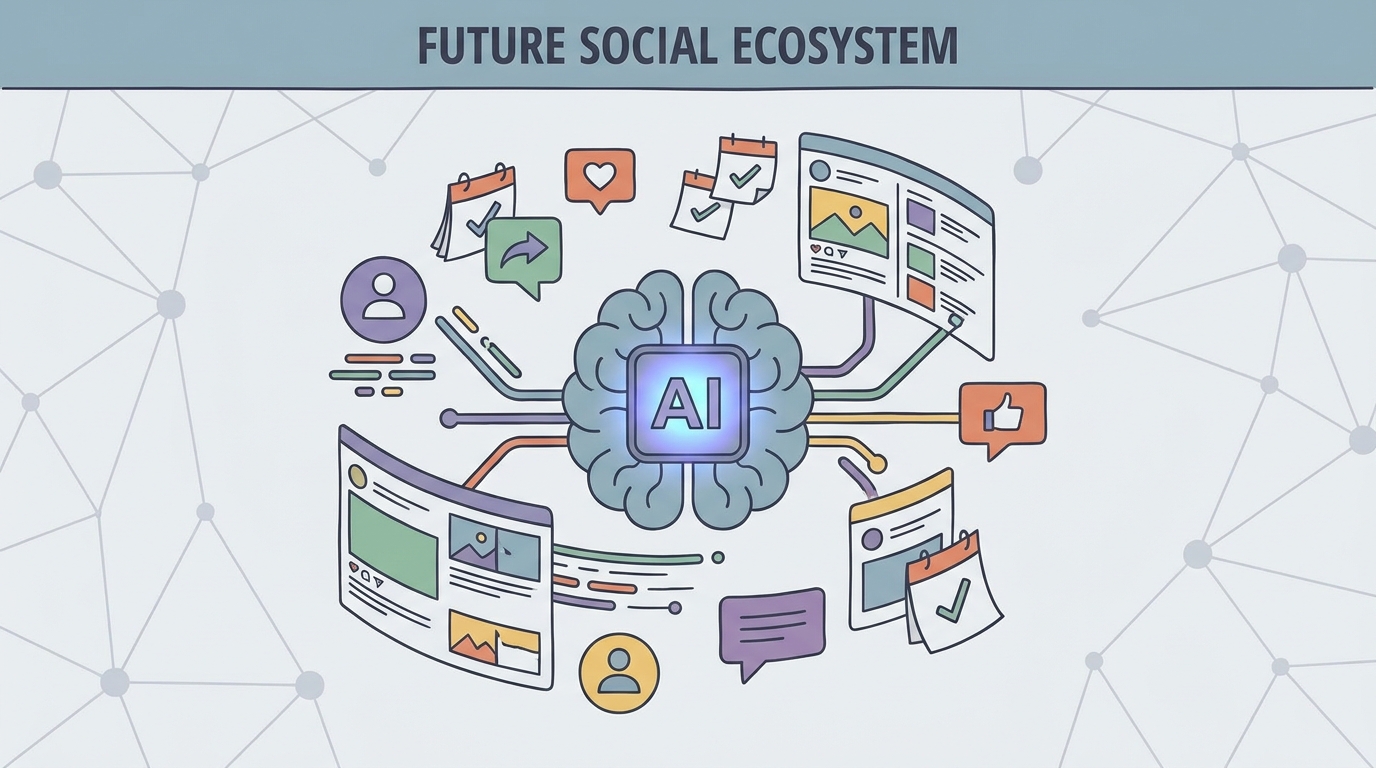
The loop is simple: start with AI-assisted ideation, push to deployment, and let the community drive the next move.
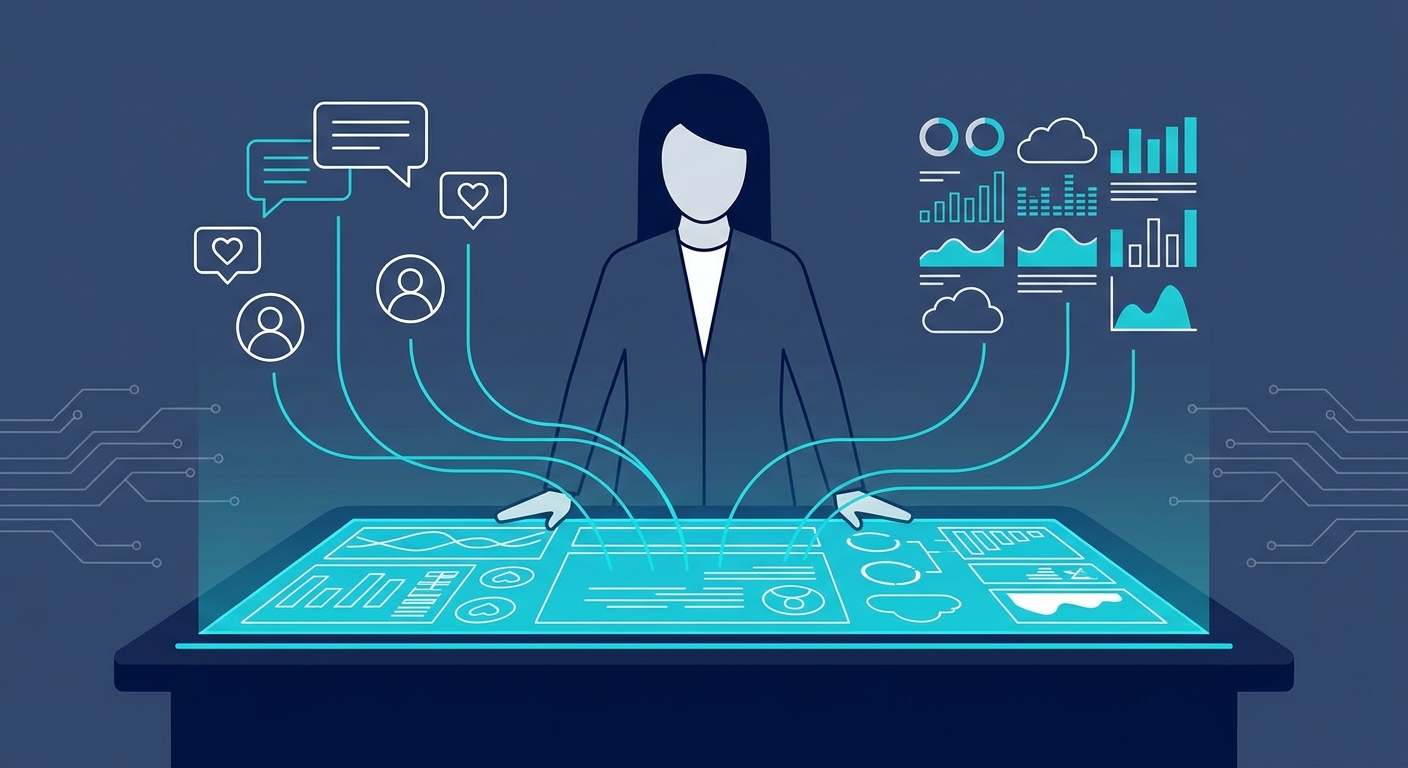
This cycle is your pulse. If the community sentiment shifts, you don’t panic—you look at the data, pivot the roadmap, and update the metadata. AI doesn’t replace your creative vision; it removes the friction that used to keep you from doing the real work: building relationships and refining your strategy.
The Three Pillars of a Sustainable Project
If your foundation is shaky, the market will find out. It always does.
1. The Tech Stack Isn't Just "Flavor"
Stop treating the blockchain like a tribal loyalty test. Choosing a chain is a business decision. You need high performance, low latency, and cross-chain capabilities. If you’re stuck on a slow, expensive chain, you’re effectively putting a ceiling on your own growth. Build where the users are, and build where the tech can actually support your ambition.
2. Community-Led Governance (The Real Kind)
Centralized control is dead. If you’re the only one making decisions, your community is just a group of spectators. You need to leverage DAO structures. Give your holders a seat at the table—let them vote on treasury allocations or roadmap priorities. When people have a stake in the outcome, they stop being speculators and start being partners. That kind of loyalty is the only thing that survives a bear market.
3. The "Living NFT"
We’ve entered the age of hyper-personalization. Through AI, your assets can now evolve. Imagine an NFT that changes its metadata based on how the holder interacts with it. Did they attend an event? Did they use your utility tools? Did they hold for six months? The asset becomes a living record of their journey. It’s deep, it’s personal, and it’s how you build a brand that lasts. If you want to know how to pull this off, our comprehensive guide to Web3 branding covers exactly how to transition from a "project" to a "brand."
Regulatory Reality: Compliance as a Competitive Edge
Stop pretending you’re operating in a lawless frontier. That time is over. With frameworks like MiCA (Markets in Crypto-Assets) taking over, you need to bake compliance into your smart contracts from day one.
This is especially true for royalties. For a while, it felt like the Wild West, but the industry is shifting toward protocol-level enforcement. If you aren't thinking about legal transparency and IP rights, you’re leaving money on the table—and scaring away the institutional investors who actually have the capital to scale your project. Designing for compliance isn't "boring." It’s smart. It signals to everyone that you’re here to stay.
According to the latest data on the creator landscape in 2026, projects that lead with legal clarity are the ones attracting the big-money partnerships. Don't be the project that gets shut down; be the project that gets acquired.
Future-Proofing: The Cross-Chain Reality
Exclusivity is a trap. If your project lives on one island, you’re limiting your liquidity and your audience. Future-proof creators are building for interoperability. They want their assets to move, to be used elsewhere, and to exist across multiple ecosystems. As noted in top 10 NFT marketing trends 2026, the winners are the ones who act as a hub. Don't build a fortress; build an airport.
Conclusion: Value Over Volume
The shift from "hype-marketing" to "community-building" is a permanent correction. We’re finally seeing the rise of a "Creator Middle Class"—projects that don't need a million-dollar floor price to be successful because they’re generating steady, recurring revenue through genuine utility.
Stop chasing the viral moment. It’s exhausting, it’s expensive, and it rarely pays off. Start building a product that provides recurring value. Use AI to handle the noise, keep your compliance tight, and treat your community like stakeholders, not customers. You’re not just minting a token; you’re building a business. Make it count.
Frequently Asked Questions
Does technical skill matter more than artistic skill in 2026?
Technical skill has become a primary differentiator. While high-quality art attracts initial attention, functional "smart contract" utility is what keeps a community engaged and ensures the asset remains relevant over time.
How has AI changed the way NFT creators monetize their work?
AI has enabled a transition toward "service-as-a-product." Creators are now monetizing recurring value models, such as providing ongoing access to AI-driven tools, exclusive content streams, or personalized experiences that evolve over time.
Are royalties still a viable income stream for NFT creators?
Yes, but they have evolved. The industry is moving away from marketplace-dependent settings toward platform-level protocol enforcement, ensuring that royalties are baked into the asset’s code rather than being an optional preference for traders.
What is the biggest mistake new NFT creators make in 2026?
The biggest mistake is relying on "hype marketing" to drive an initial mint rather than building a community-centric roadmap. Projects that lack clear, long-term utility rarely survive the post-mint phase.