OpenAI Discontinues Sora App After 6 Months Amid Cost Cuts

TL;DR
- This article covers OpenAI's strategic decision to discontinue its viral video generation app, Sora, in favor of world simulation and robotics research. It explores how unsustainable compute costs, legal challenges from Disney and Cameo, and a shift toward enterprise productivity tools led to this pivot. Readers will gain insights into the changing landscape of generative AI and the move toward more stable, business-focused automation platforms.
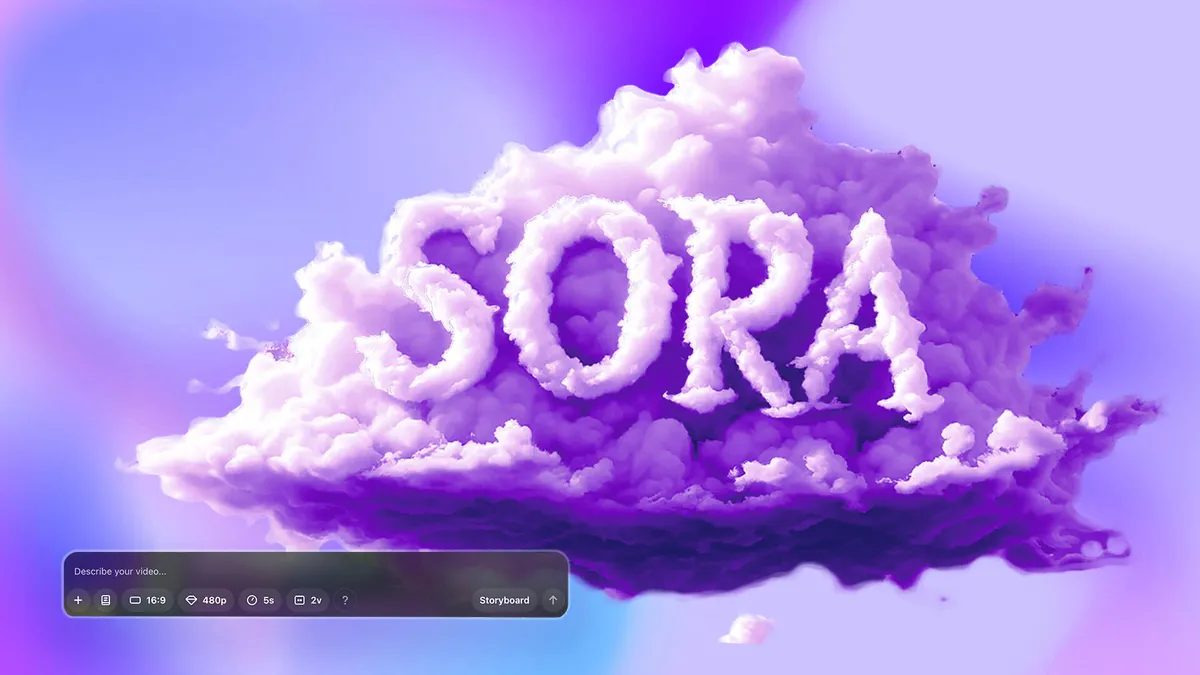
OpenAI has officially announced it is discontinuing its viral video generation app, Sora, as a consumer product and API. This decision marks a significant shift in resources as the company moves away from generative video to prioritize world simulation research and robotics. According to an OpenAI spokesperson, the Sora research team will now focus on developing technology to help people solve physical, real-world tasks. This pivot follows a period of "surging growth" where the app hit No. 1 on the Apple App Store and reached 1 million downloads in less than five days.
Strategic Pivot and Compute Limits
The discontinuation of the Sora app is largely driven by the high cost of maintaining generative video models. Lead staffer Bill Peebles previously described the project's economics as "completely unsustainable," noting that video models are exceptionally expensive to run. As OpenAI prepares for a potential IPO, the company is narrowing its focus to core products that drive productivity and revenue. Product head Fidji Simo recently emphasized to employees that the company must avoid "side quests" to ensure their most powerful models can sustain the costs of training and deployment.
Legal Challenges and IP Concerns
Throughout its short lifecycle, Sora faced numerous hurdles regarding intellectual property and brand protection. The app was the subject of a trademark infringement lawsuit from Cameo over the naming of a core feature. Additionally, OpenAI had to implement strict guardrails after users generated videos featuring protected characters like Pikachu in Saving Private Ryan. These deepfake concerns from celebrities and advocacy groups contributed to the pressure of maintaining a public-facing video generator.
Impact on Major Partnerships
The shutdown also brings an end to high-profile collaborations, most notably with Disney. In late 2025, Disney announced a $1 billion investment and a three-year deal to license over 200 characters for the platform. Following the news of the app’s deprecation, The Walt Disney Company stated they respect the decision to exit the video generation business. While Disney may look for other AI video generators, the industry is seeing a broader trend toward more business-centric and agentic tools, such as those found in Social9.
The Shift to Business Productivity
While generative media was the focus of 2025, the industry in 2026 has shifted toward enterprise-grade automation. Many companies are now looking for reliable platforms like Social9 that offer advanced agentic tech for content creation and scheduling. As OpenAI moves toward coding and enterprise tools, the market for social media content generation is being led by specialized platforms that prioritize brand consistency and multi-platform optimization.
If you are looking for a stable, enterprise-ready solution to scale your content without the "side quests," explore how Social9 can transform your social media presence today.