Crafting Memes: Humorous Satire Using AI Tools

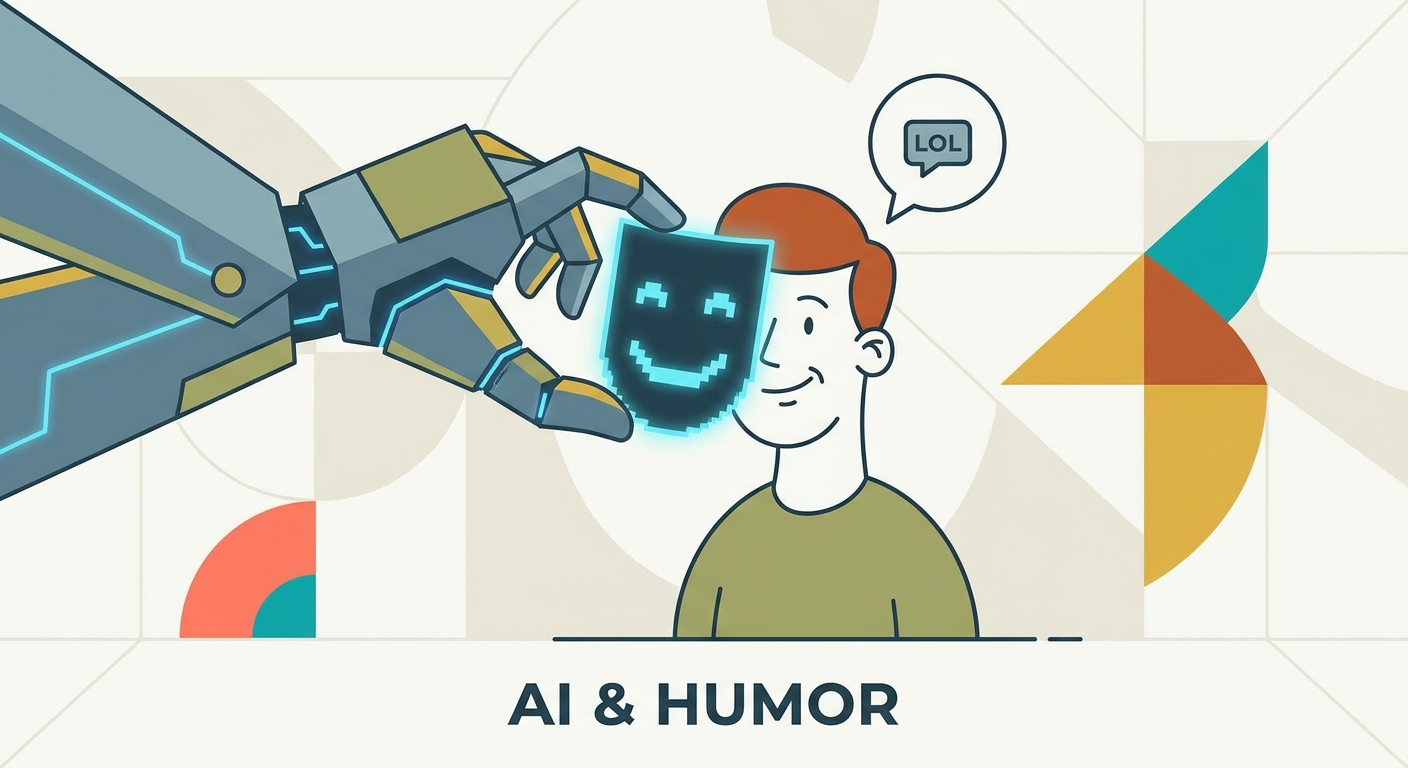
The era of the "effortless" meme is dead. If you’re still slapping a generic caption over a dated stock template in 2026, you aren’t just being lazy—you’re a brand liability.
Memes aren't just static, pixelated jokes anymore. They’ve evolved into high-end, context-aware video assets that serve as the native language of the internet. If your brand wants a seat at the table, you need to master the intersection of rapid-fire satire and AI precision. This isn't about letting a machine run your social media account; it’s about using AI to sharpen your comedic edge so you can cut through the noise of a saturated digital landscape.
Can AI Actually "Understand" Humor?
People get hung up on whether an AI "gets" the joke. Let’s be real: an LLM doesn't feel the punchline. It doesn't find a video of a cat face-planting off a sofa inherently funny.
Instead, it’s a genius at pattern recognition. It knows the rhythm of a joke. By chewing through millions of successful posts, these models have mapped the architecture of humor—the setup, the subversion of expectations, and the inevitable payoff.
However, moving from surface-level captioning to actual, sharp-witted satire is where the game changes. When you understand AI humor evaluation, you realize the AI is calculating the "semantic distance" between a mundane situation and an absurd reaction. It’s a probability engine, not a comedian. That’s exactly why the "human-in-the-loop" isn't just a suggestion—it’s your only insurance policy against looking like a robot.
The "Human-in-the-Loop" Workflow: Ensuring Your Satire Lands
AI is prone to "sarcasm misreads" and "taboo drift." A model might spit out a punchline that is structurally sound but socially tone-deaf, or it might accidentally lean into a trope your brand needs to avoid like the plague.
To keep your satire sharp and safe, you need a rigid three-step validation process.
This loop keeps you in the driver’s seat. The AI is your rapid-prototyping engine; you are the editor-in-chief. You’re the one filtering out the "hallucinated" humor that just doesn’t fit your brand voice.
How to Choose the Right Tool for Your Strategy
Not all generators are created equal. The market has split into two camps: static image generators that pull from massive, pre-existing template libraries, and video-first engines that leverage dynamic overlays and motion tracking.
When you're building your stack, look for tools that prioritize "Template Matching"—the ability to suggest a visual layout that actually complements your specific text. Don't settle for a tool that forces your brilliant punchline into a visual that doesn't fit.
For a deep dive into the current landscape, you can review the Top 7 AI Meme Generators to see which platforms offer the best balance of speed and creative control. If you’re feeling overwhelmed by the sheer volume of new tech, our AI Tools Resource Hub provides a curated breakdown to help you find the right fit for your marketing team’s specific workflow.
Mastering the "Context-Aware" Prompt: From Idea to Viral Hit
The difference between a viral hit and a "why did they post that?" moment almost always comes down to the prompt.
If you give an AI a generic instruction like "make a meme about being tired at work," you will get a generic, forgettable result. You have to feed the machine the context.
To roast corporate culture effectively, you need constraints. Instead of "make a funny meme about meetings," try: "Create a satirical take on the 'this meeting could have been an email' trope, focusing on the specific pain point of remote-work screen fatigue, using a dry, cynical tone that appeals to tech-savvy Gen Z professionals."
By adding layers of nuance, you force the AI to move away from the clichés and toward a more tailored, punchy, and culturally relevant outcome. This is how you stop being a "content machine" and start being a cultural commentator.
Why Did My AI Meme Flop? (Troubleshooting Guide)
Even with the best tools, sometimes the audience doesn't bite. If your numbers are flatlining, you’ve likely fallen into one of these three traps:
- Over-explanation: If you have to spell out the joke, it’s already dead. AI often tries to be "helpful" by adding too much text. Strip it back. If it’s not essential to the punchline, delete it.
- Template Mismatch: You might have a brilliant punchline, but if it’s paired with a visual template that feels "2018," the audience will tune out. Match the visual aesthetic to the current visual vernacular—look at successful viral AI culture trends to see what’s currently resonating.
- Timing Lag: Satire has a shelf life. If your meme is about a trend that peaked three days ago, you’re already part of the graveyard. AI allows for speed; if you aren't using that speed to your advantage, you're missing the point.
Future-Proofing Your Meme Strategy
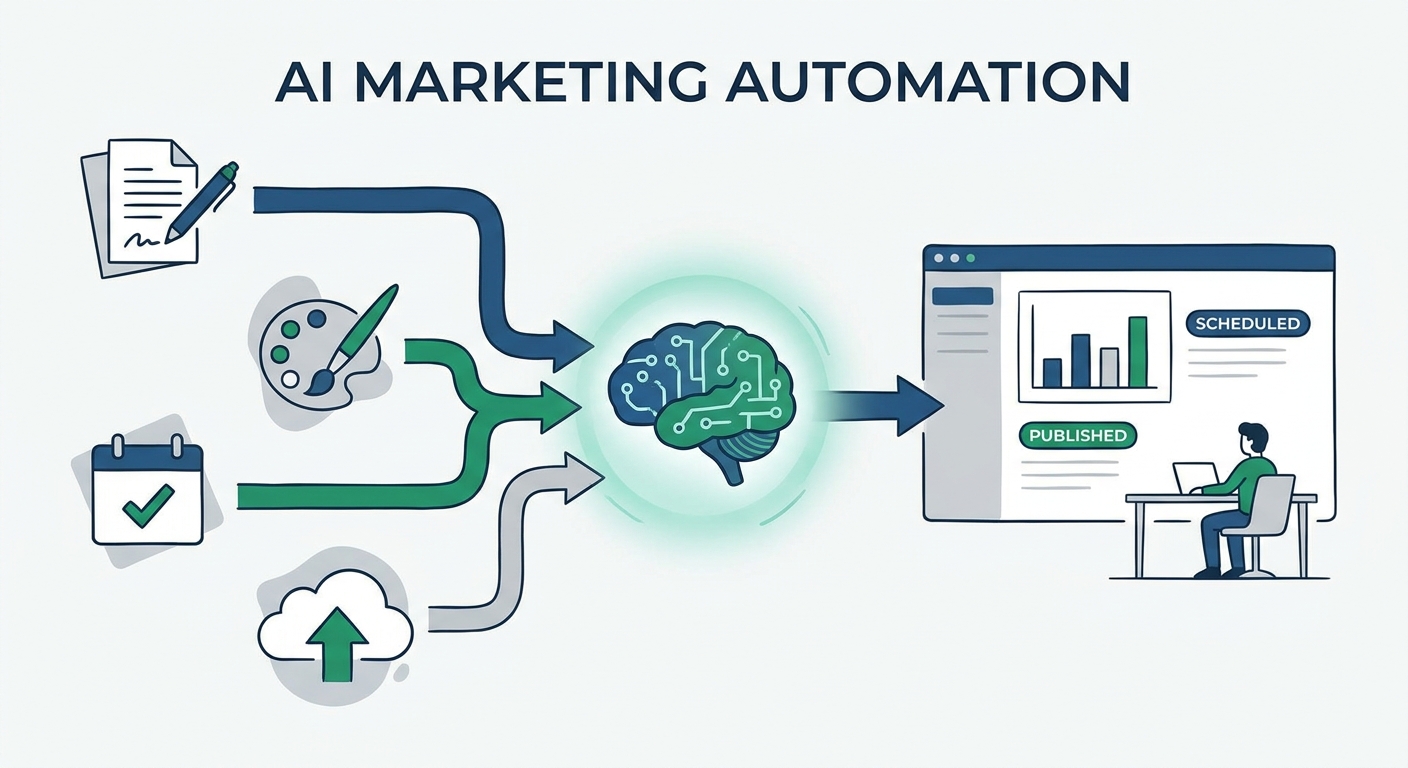
The final stage of professional meme-making is building a brand-compliant "meme library." Don't reinvent the wheel every morning. Use AI to generate assets that align with your specific brand identity—your colors, your tone, your unique perspective—and build a repository of reusable, high-quality satire.
Keep an eye on real-time trend monitoring tools. When you pair these insights with your AI generation workflow, you create a system that can react to the news cycle in minutes rather than hours. If you find that building this infrastructure is taking away from your core business objectives, our professional content creation services can help you architect a scalable, brand-safe meme strategy that keeps your audience engaged without burning out your team.
Frequently Asked Questions
Can AI actually "understand" humor, or is it just guessing?
AI doesn't "understand" humor in the human sense. It uses advanced statistical pattern recognition to replicate the structure of jokes. It identifies the linguistic and visual rhythms that lead to comedic payoffs based on the vast datasets of successful content it has been trained on.
How do I prevent my AI-generated memes from being offensive or tone-deaf?
Implement a strict "human-in-the-loop" review layer. Never publish directly from an AI output. Check every meme against your brand safety guidelines, avoid sensitive "taboo drift" topics, and ensure that a human editor confirms the context aligns with your brand voice.
Are there any legal issues with using AI to generate meme templates?
Yes, there is significant nuance regarding fair use and copyright. While many meme templates are considered cultural heritage, some AI generators may produce assets that infringe on intellectual property. Always prioritize using licensed or proprietary templates to minimize legal risk.
What is the best workflow for creating video memes using AI?
Start by defining a clear, high-impact audio hook. Use an AI tool to generate a visual overlay that complements that audio, then sync the text captions to the beat of the audio. Conclude with a human-led quality assurance check to ensure the timing, tone, and visual impact are perfectly aligned before hitting publish.